
Beautiful Plants For Your Interior
Beautiful Plants For Your Interior
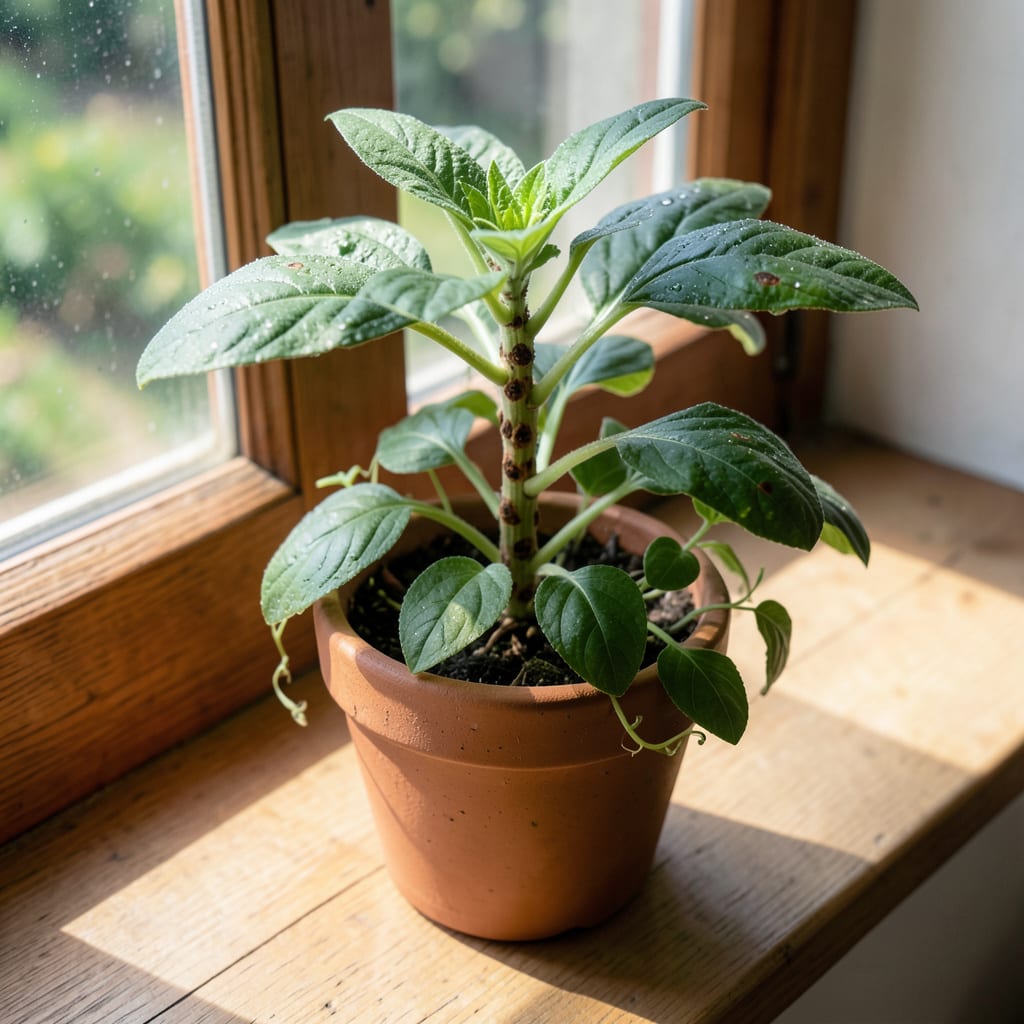
Brown spots on stems always mean your plant is trying to tell you something. I’ve seen this issue in my garden countless times, and the solution usually starts with closer inspection.
It could be fungal infection, nutrient deficiency, or even physical damage. The good news? Most cases are fixable with the right approach. Don’t panic—this is about diagnosis, not disaster.
You’ll learn to read these symptoms like a pro. The key is matching the treatment to the cause, whether it’s adjusting watering, changing soil, or applying a targeted remedy.
Works for houseplants, vegetables, and ornamentals alike. Let’s get to the root of it.
Brown spots on plant stems often signal underlying stress or disease. Understanding the root causes helps you act fast and save your plant. Below are the most common triggers, explained clearly so you can diagnose and fix the issue.
Pathogens like Alternaria or Pseudomonas thrive in damp, poorly ventilated environments. They enter through wounds or weak spots, causing dark, sunken lesions. Overwatering or high humidity accelerates their spread. Action: Improve airflow, remove infected parts, and apply copper-based fungicides or bactericides.
Extreme temperatures, sudden cold snaps, or excessive heat can damage stem tissues, leading to brown, necrotic spots. This is common in tropical plants exposed to frost or desert species in overly humid climates. Action: Stabilize the environment—move plants indoors during temperature swings or use shade cloths to moderate heat.
Deficiencies in calcium, magnesium, or potassium often manifest as brown or black spots on stems. Calcium deficiency, for example, weakens cell walls, making stems prone to collapse and discoloration. Action: Test soil pH and amend with balanced fertilizers or targeted supplements like calcium nitrate.
Mechanical injury (e.g., pruning cuts, animal bites) or sap-sucking pests like aphids and scale insects can create entry points for infections or directly cause tissue death. Action: Inspect stems for pests or wounds, treat with insecticidal soap if needed, and sterilize pruning tools to prevent contamination.
Addressing brown spots on your plant’s stem starts with identifying the root cause. Below are practical solutions tailored to common triggers, along with prevention tips to keep your plants thriving.
If the spots are soft, mushy, or spreading quickly, a fungal or bacterial infection may be the culprit. Remove affected stems immediately with sterilized pruning shears to prevent the spread. Apply a copper-based fungicide or a bacterial treatment like neem oil. Prevention tip: 💡 Space plants properly to improve airflow, and water at the base to keep foliage dry. Avoid overhead watering, especially in humid conditions.
Brown spots with yellowing edges often signal a lack of essential nutrients like magnesium or potassium. Test your soil to confirm deficiencies, then amend it with a balanced fertilizer or targeted supplements (e.g., Epsom salt for magnesium). Prevention tip: ✨ Fertilize regularly but avoid overdoing it—follow package instructions for the right dosage and frequency.
Root rot from excess moisture can cause dark, sunken spots on stems. Check the roots—if they’re brown and mushy, trim them and repot the plant in fresh, well-draining soil. Use containers with drainage holes. Prevention tip: 🌡️ Let the top inch of soil dry out between waterings, and empty saucers after watering to avoid waterlogging.
Pests like scale or spider mites can damage stems, leading to brown spots. Wipe down stems with a damp cloth or use insecticidal soap to eliminate pests. For severe cases, consider a systemic insecticide. Prevention tip: 🎯 Inspect plants regularly for early signs of pests, and quarantine new plants before introducing them to your collection.
Direct, harsh sunlight or sudden temperature changes can scorch stems, causing dry, brown patches. Move the plant to a spot with indirect light or provide shade during peak sun hours. Prevention tip: 🌿 Acclimate plants gradually to new light conditions, and maintain consistent temperatures to reduce stress.
Not always! They can also come from environmental stress like sunburn or physical damage. Check for other symptoms like wilting or pests to narrow down the cause.
Yes, overwatering leads to root rot, which often shows up as dark, sunken spots on stems. Let soil dry between waterings and ensure good drainage.
Look for tiny insects, sticky residue, or webbing on stems. Wipe stems with a damp cloth or use insecticidal soap if pests are present.
No, most plants recover quickly with proper fertilization. Test soil and adjust with targeted supplements like Epsom salt for magnesium.
