
Beautiful Plants For Your Interior
Beautiful Plants For Your Interior
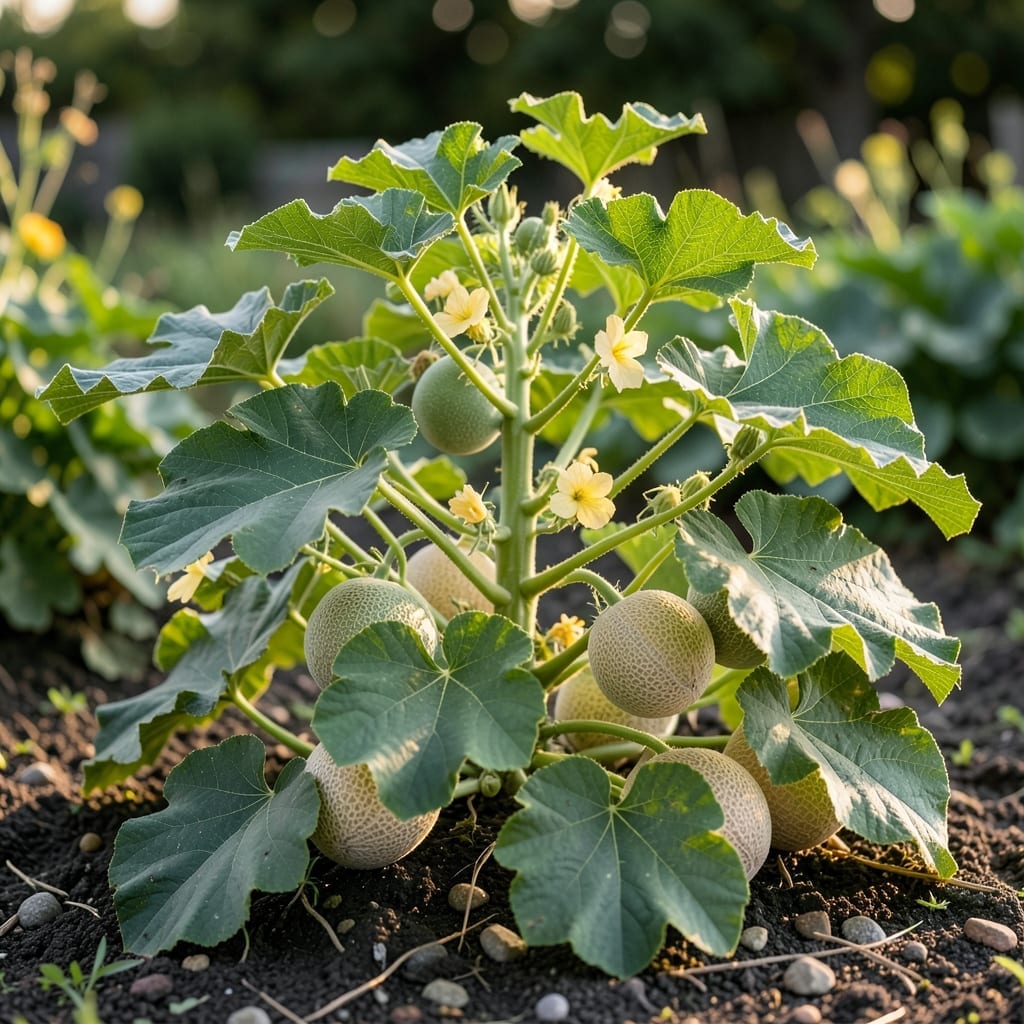
Yellow cantaloupe leaves always mean trouble, but it’s rarely the end of the story. I’ve seen patches turn from sickly to vibrant green in under a week with the right fix.
Usually, it’s a simple imbalance—too much water, not enough nitrogen, or roots gasping for air. The pattern of yellowing tells you exactly what’s wrong: lower leaves scream nitrogen, patchy spots hint at pests, and curled edges often mean overwatering.
Once you pinpoint the cause, the solution is straightforward. A soil test, adjusted watering, or targeted feeding can reverse the damage fast. I’ve rescued entire vines with just these tweaks.
Early action saves the season. Catch it now, and your plants will bounce back stronger than before.
Yellowing leaves on your cantaloupe plants can stem from several underlying issues. Below are the most common causes, explained scientifically for clarity and actionable solutions.
Nitrogen, magnesium, or iron deficiencies often manifest as yellow leaves. Nitrogen deficiency typically starts with older leaves turning yellow (chlorosis) due to the plant reallocating nitrogen to newer growth. Magnesium deficiency causes interveinal chlorosis—yellowing between the veins—while iron deficiency leads to yellowing in younger leaves first. A soil test can confirm which nutrient is lacking.
Both extremes disrupt nutrient uptake. Overwatering suffocates roots, reducing oxygen availability and leading to yellowing. Underwatering stresses the plant, causing leaves to wilt and turn yellow as the plant conserves resources. Ensure consistent moisture—cantaloupes prefer well-draining soil with 1–2 inches of water per week.
Pathogens like Fusarium wilt or Alternaria leaf spot can cause yellowing. Fusarium disrupts water transport, while Alternaria creates circular yellow-brown spots. Remove infected leaves and apply fungicides (e.g., copper-based) preventatively.
Sap-sucking pests like aphids or spider mites drain plant fluids, causing yellowing. Check leaf undersides for webbing (mites) or sticky residue (aphids). Treat with neem oil or insecticidal soap.
Extreme heat, cold, or poor sunlight can trigger chlorosis. Cantaloupes thrive in 70–90°F with 6+ hours of sun. Shield plants from temperature swings and ensure proper spacing for airflow.
Don’t panic—yellow leaves on your cantaloupe plant often have simple fixes! Below are targeted solutions for the most common causes, along with prevention tips to keep your vines lush and productive.
If a soil test confirms deficiencies:
Prevent it: Test soil annually and rotate crops to avoid depletion.
Cantaloupes crave consistency:
🌡️ Pro tip: Use a moisture meter to take the guesswork out!
Spot pests like aphids or spider mites? Blast them off with water or apply neem oil at dusk. For fungal issues (e.g., powdery mildew):
Prevent it: Rotate crops and avoid overhead watering to keep foliage dry.
If heat or sun scorch is the culprit:
✨ Pro tip: Drought-tolerant mulches (like wood chips) keep roots cool.
Yes, trim severely yellowed leaves to redirect energy to healthy growth. Use clean shears and remove only the affected foliage to prevent spreading issues.
Mild cases may recover with proper care, but severely damaged leaves won’t revert. Focus on fixing the underlying cause to save newer growth.
Test soil at planting and mid-season, or if yellowing appears. A simple home test kit costs $10–$20 and provides quick results.
Yes, over-fertilizing can burn roots, leading to yellow leaves. Always follow package instructions and water thoroughly after applying.