
Beautiful Plants For Your Interior
Beautiful Plants For Your Interior
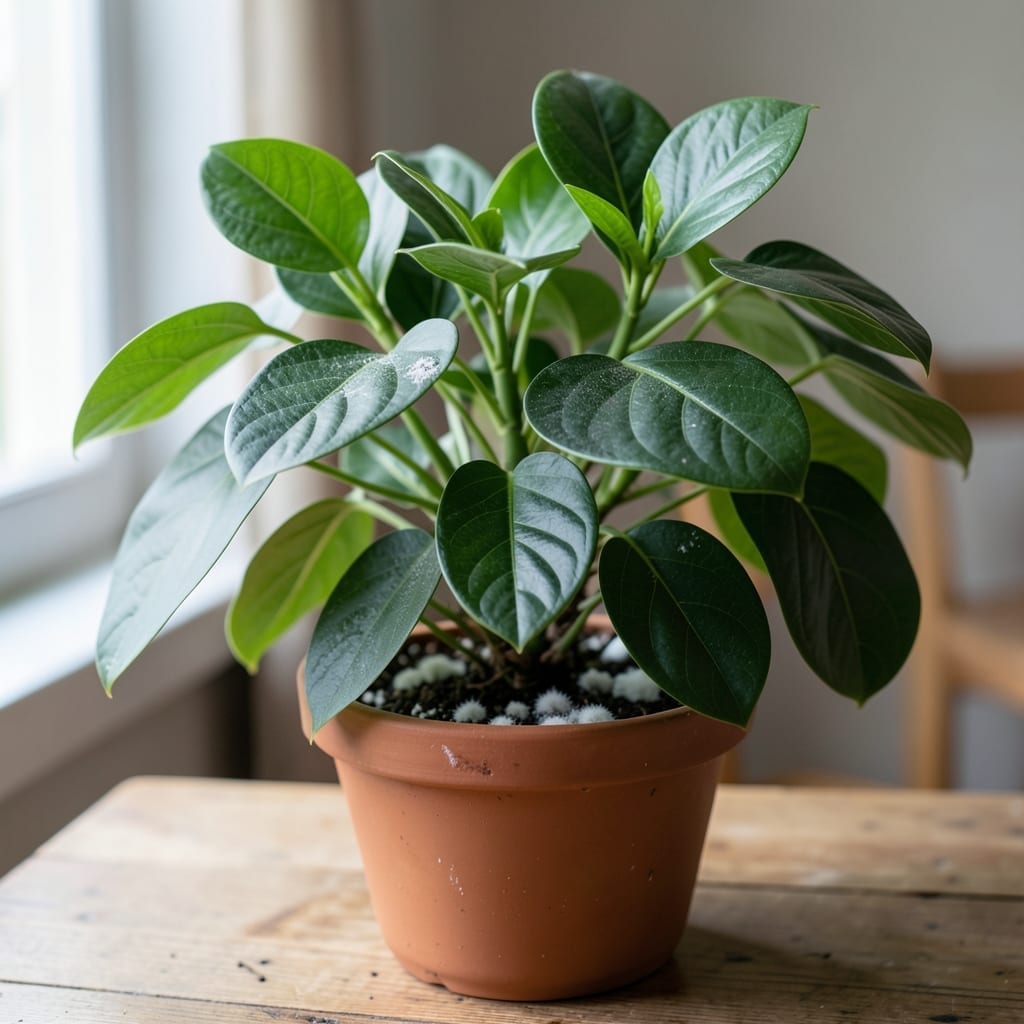
Spotted white stuff in your plant soil? Don’t panic—it’s usually fixable. I’ve seen this in my own pots and learned it’s often mold or mineral buildup from water or fertilizer.
Mold looks fuzzy and thrives in damp conditions, while minerals appear crusty and come from tap water or excess salts. Both can stress your plants if ignored.
Simple fixes: let soil dry between waterings, use filtered water, or scrape off the top layer. For stubborn cases, repot with fresh mix.
Prevention is easier than cure. Good drainage and airflow keep most white stuff from returning. Your plants will thank you.
The white stuff on your plant soil can stem from several sources, each with distinct triggers. Here’s a breakdown of the most common causes and why they happen.
Excess moisture and poor airflow create the perfect breeding ground for fungi like Saprophytic mold. This white, fuzzy growth thrives in damp, organic-rich soil, especially in overwatered pots or high-humidity environments. Overwatering suffocates roots and prevents proper drainage, while stagnant air traps moisture, accelerating mold development.
Hard water or tap water contains dissolved minerals like calcium, magnesium, and lime. As water evaporates from the soil surface, these minerals are left behind, forming a chalky white residue. This is common in areas with mineral-heavy water supplies or when using unfiltered tap water for irrigation.
Over-fertilizing or using low-quality fertilizers can lead to salt accumulation in the soil. As the water in the soil evaporates, salts rise to the surface, appearing as a white, crusty layer. This is especially prevalent in potted plants where minerals can’t leach away naturally, causing a toxic buildup over time.
Some pests, like mealybugs, leave behind cottony white residues that resemble mold. Their secretions and egg sacs can coat the soil surface. Fungus gnat larvae, which thrive in moist soil, may also contribute to secondary fungal growth, indirectly causing white deposits.
Dealing with white stuff on plant soil can be frustrating, but the good news is that it’s often fixable with a few simple steps. Below are targeted solutions based on the most common causes, plus prevention tips to keep your plants healthy.
Fix: If the white layer is fuzzy or powdery, it’s likely mold. Remove the top layer of soil carefully, then sprinkle cinnamon (a natural antifungal) or a thin layer of baking soda over the surface. For severe cases, repot the plant with fresh, sterile potting mix. Ensure the pot has drainage holes to prevent waterlogging.
Prevention: Avoid overwatering—let the top inch of soil dry out between waterings. Increase airflow around the plant and reduce humidity if growing indoors.
Fix: Scrape off the white crust gently with a spoon or fork. Flush the soil with distilled water or rainwater to dissolve and wash away excess minerals. If the buildup is stubborn, repot the plant with fresh soil.
Prevention: Use filtered, distilled, or rainwater for irrigation. If tap water is your only option, let it sit out for 24 hours before using to allow some minerals to settle.
Fix: Isolate the plant immediately to prevent spreading. Wipe visible pests off leaves and soil with a cotton swab dipped in rubbing alcohol (70% isopropyl). For soil-dwelling pests, drench the soil with a mix of neem oil and water (1 tsp neem oil per liter of water). Repeat every 3–5 days until gone.
Prevention: Inspect new plants before bringing them home. Keep your growing area clean and avoid over-fertilizing, which can attract pests.
💡 Pro Tip: Regularly check the soil surface and your plant’s leaves for early signs of trouble. Catching issues early makes treatment easier and more effective!
It depends on the cause. Fuzzy mold can suffocate roots if left untreated, while mineral deposits are mostly harmless but may indicate poor drainage. Act quickly if you see pests or rapid spreading.
Mold appears fuzzy or powdery, often in damp soil. Minerals look crusty and form in hard water areas. Scrape a bit off—if it’s chalky, it’s likely minerals.
For mineral buildup, yes—just flush with distilled water. For mold or pests, it’s safer to repot with fresh soil to prevent reinfestation.
It might if conditions don’t change. Improve drainage, reduce watering, and use filtered water to keep it from returning.