
Beautiful Plants For Your Interior
Beautiful Plants For Your Interior
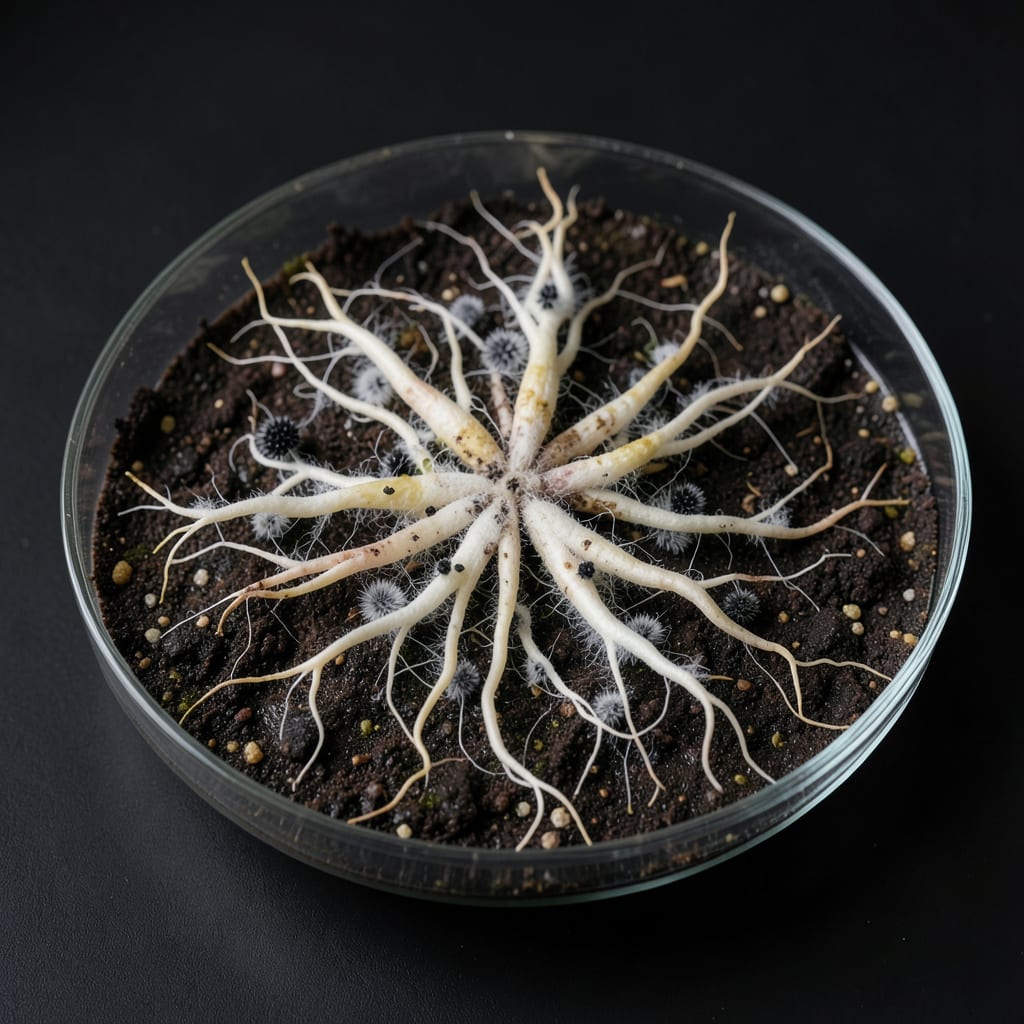
White fuzzy growth on your plant’s roots isn’t just ugly—it’s a red flag. I’ve lost a few favorites to root mold before learning the early signs. Dark, musty soil and wilting despite watering are your first clues.
This usually starts with overwatering or poor drainage. The fix is simpler than you’d think: isolate the plant, trim affected roots, and repot in fresh, sterile soil. Most bounce back within 2-3 weeks if caught early.
Prevention is even easier. Use pots with drainage holes, water only when the top inch of soil is dry, and avoid letting plants sit in saucers of water. These small habits stop mold before it starts.
Organic solutions like cinnamon or hydrogen peroxide can help, but the real secret is changing your watering routine. Your plants—and your peace of mind—will thank you.
Mold on plant roots often stems from a combination of environmental and cultural factors. Understanding these triggers helps prevent infestations before they start.
Excess moisture is the #1 cause of root mold. When soil stays soggy, it suffocates roots and creates an anaerobic environment—perfect for fungal growth like Pythium or Phytophthora. Clay-heavy or compacted soils worsen the issue by trapping water. Action: Use well-draining potting mixes and ensure containers have drainage holes.
Fungi thrive in temperatures between 70–85°F (21–29°C) with high humidity. Greenhouses or crowded plant setups with poor airflow exacerbate this. Action: Increase ventilation with fans and space plants to reduce humidity pockets.
Reusing soil or unsterilized tools can introduce mold spores. Organic matter like compost, if not fully decomposed, may also harbor pathogens. Action: Sterilize soil by baking it at 200°F (93°C) for 30 minutes or use a fresh, reputable potting mix.
Excess nitrogen or organic fertilizers (e.g., manure tea) can feed mold as much as your plants. Salt buildup from synthetic fertilizers also stresses roots, making them vulnerable. Action: Follow label rates and flush soil periodically to remove residue.
Some plants, like peppers, tomatoes, and seedlings, are naturally prone to root rot. Their delicate root systems struggle to fend off fungi. Action: Choose resistant varieties and monitor high-risk plants closely.
Tackling mold on plant roots starts with pinpointing the cause and applying targeted fixes. Below are practical solutions mapped to common triggers, plus prevention tips to keep your plants thriving.
If soggy soil is the culprit, let the top 1-2 inches of soil dry out between waterings. Fix: Switch to a pot with drainage holes and use a well-draining potting mix. Water only when the soil feels dry to the touch. Prevention tip: 💡 Use a moisture meter to avoid guesswork.
Roots sitting in water invite mold. Fix: Repot the plant in fresh, sterile potting soil mixed with perlite or sand. Ensure containers have drainage holes. Elevate pots to prevent water pooling. Prevention tip: ✨ Add a layer of gravel or clay pebbles at the bottom of the pot.
Stagnant, humid air encourages mold growth. Fix: Move plants to a well-ventilated area or use a small fan to improve circulation. Space out plants to reduce moisture buildup. Prevention tip: 🌡️ Maintain humidity levels below 60% with a dehumidifier if needed.
If the soil is moldy, it’s time for a fresh start. Fix: Gently remove the plant, rinse the roots with a 1:10 hydrogen peroxide-to-water solution (3%) to kill mold, then repot in clean soil. Prevention tip: 🎯 Sterilize old pots with a bleach solution (1 part bleach to 9 parts water) before reuse.
For mild fungal issues, try organic remedies. Fix: Drench the soil with a baking soda solution (1 tsp baking soda + 1 quart water + a few drops of dish soap) or neem oil spray (follow label instructions). Prevention tip: 🌿 Apply cinnamon powder to the soil surface—it’s a natural antifungal!
Look for white or gray fuzzy growth on roots and a musty smell from the soil. Wilting leaves despite wet soil are another red flag.
Yes, if you act fast. Trim all affected roots, rinse with hydrogen peroxide solution, and repot in fresh, sterile soil. Recovery takes 2-3 weeks.
Use pots with drainage holes, water only when the top 1-2 inches of soil are dry, and ensure good airflow around plants.
