
Beautiful Plants For Your Interior
Beautiful Plants For Your Interior
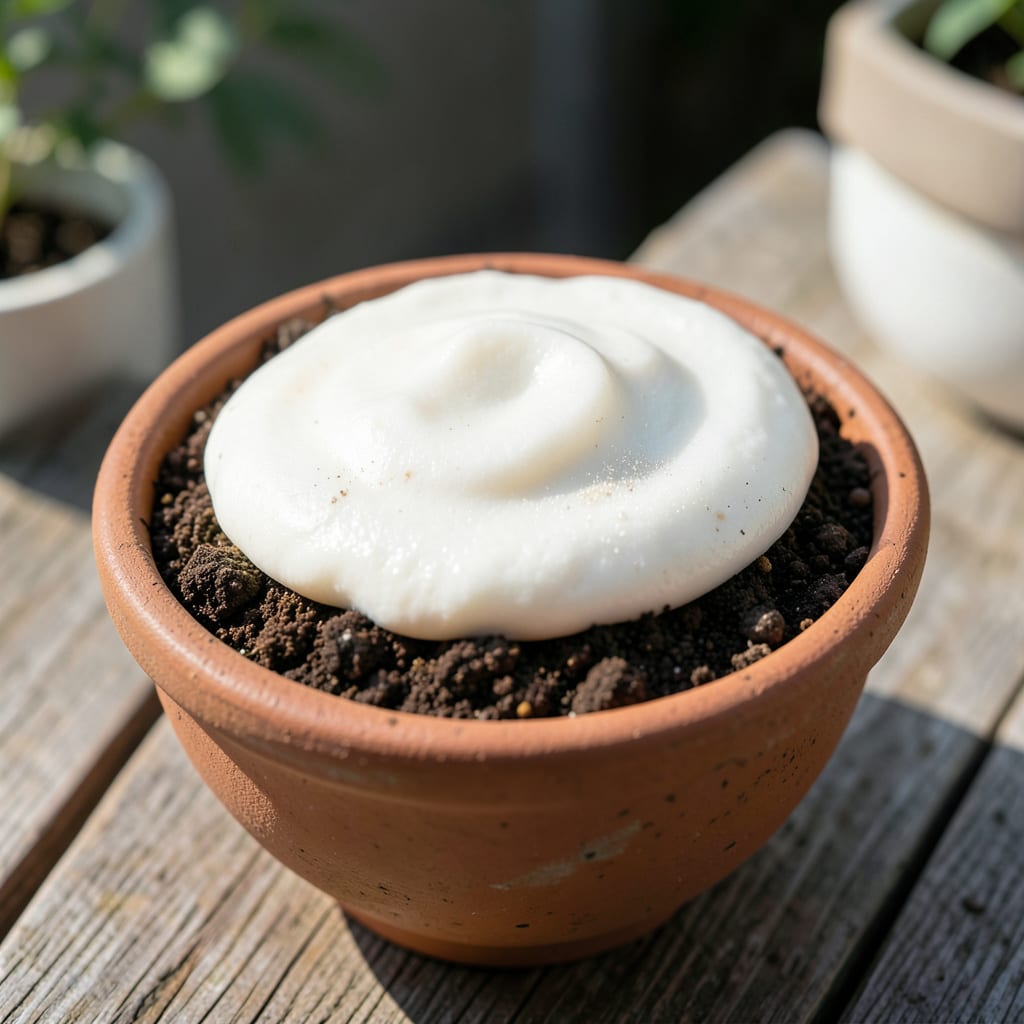
That white layer on your soil isn’t just unsightly—it’s a message. I’ve seen it appear overnight in my own garden, and ignoring it always makes things worse.
Sometimes it’s harmless mineral deposits from water, but more often it signals fungal growth or pest activity. The good news? Most causes are fixable with simple, organic solutions you probably already have at home.
You’ll learn to tell the difference between mold, salt buildup, or mealybugs in minutes. Each has a distinct texture and location pattern that gives it away.
Prevention starts with better watering habits and soil care. Once you know what you’re dealing with, the fix takes less than an hour and keeps your plants thriving.
The white stuff on top of soil is often a sign of underlying issues, usually tied to moisture, fungi, or mineral deposits. Here’s a breakdown of the most common causes:
Fungi thrive in damp, poorly ventilated environments. White mycelium or mold appears when organic matter decomposes, especially in overwatered or compacted soil. This is common in potted plants or garden beds with high organic content. Action: Reduce watering and improve airflow to discourage further growth.
If you water plants with hard water (high in calcium or magnesium), white crusty deposits can form as the water evaporates. This is especially visible in container gardens or areas with frequent overhead watering. Action: Use filtered or distilled water, or flush the soil occasionally to remove buildup.
Over-fertilizing, especially with synthetic products, leaves behind salt residues that appear as a white, powdery layer. This can harm plant roots by disrupting soil pH and moisture balance. Action: Leach the soil with water to flush out excess salts and adjust fertilizing habits.
Gardeners sometimes add lime (calcium carbonate) or gypsum (calcium sulfate) to amend soil. If not properly mixed, these can leave a white, chalky layer on the surface. Action: Till the soil to distribute amendments evenly and avoid surface concentration.
Here’s how to tackle the most common causes of that mysterious white layer on your soil, with simple, organic fixes and prevention tips to keep it from coming back.
Fix: Gently remove the top layer of affected soil and replace it with fresh, sterile potting mix. Improve airflow by spacing plants farther apart and avoid overwatering. A sprinkle of cinnamon (a natural antifungal) can help suppress regrowth. For severe cases, use a neem oil spray (1 tsp neem oil + 1 quart water + a few drops of dish soap) on the soil surface.
Prevent: Water only when the top inch of soil is dry, and ensure containers have drainage holes. 💡 Pro tip: Add a thin layer of perlite or sand to the topsoil to improve aeration.
Fix: Scrape off the white crust and flush the soil with distilled water or rainwater to leach out excess minerals. If the buildup is severe, repot the plant with fresh soil and rinse the roots gently.
Prevent: Use filtered or distilled water for irrigation, and switch to a balanced, slow-release fertilizer to avoid salt accumulation. ✨ Pro tip: Occasionally top-dress with compost to buffer soil pH and reduce mineral buildup.
Fix: For mealybugs, dab the white clusters with a cotton swab dipped in rubbing alcohol (70% isopropyl). For fungus gnats, let the soil dry out completely between waterings and set up yellow sticky traps. A hydrogen peroxide solution (1 part 3% H₂O₂ to 4 parts water) can kill larvae in the soil—water the plant with it once a week until gnats disappear.
Prevent: Avoid overwatering and use a layer of sand or diatomaceous earth on the soil surface to deter pests. 🎯 Pro tip: Quarantine new plants for 2–3 weeks to prevent infestations from spreading.
White mold itself rarely harms healthy plants, but it signals excess moisture and poor airflow. Left unchecked, it can spread and compete for nutrients. Remove the top layer and improve conditions to protect roots.
Mineral deposits feel crusty or gritty, while fungal growth is fuzzy or web-like. Test by scraping: minerals flake off, fungus resists. Hard water often leaves rings on pot edges too.
Repotting helps with severe cases, but won’t prevent recurrence if you don’t adjust watering or drainage. Always address the root cause (overwatering, poor soil mix) after repotting.
A 1:3 vinegar-water solution can dissolve mineral buildup, but test on a small area first. Avoid using vinegar on fungal issues—it may harm beneficial soil microbes.
