
Beautiful Plants For Your Interior
Beautiful Plants For Your Interior
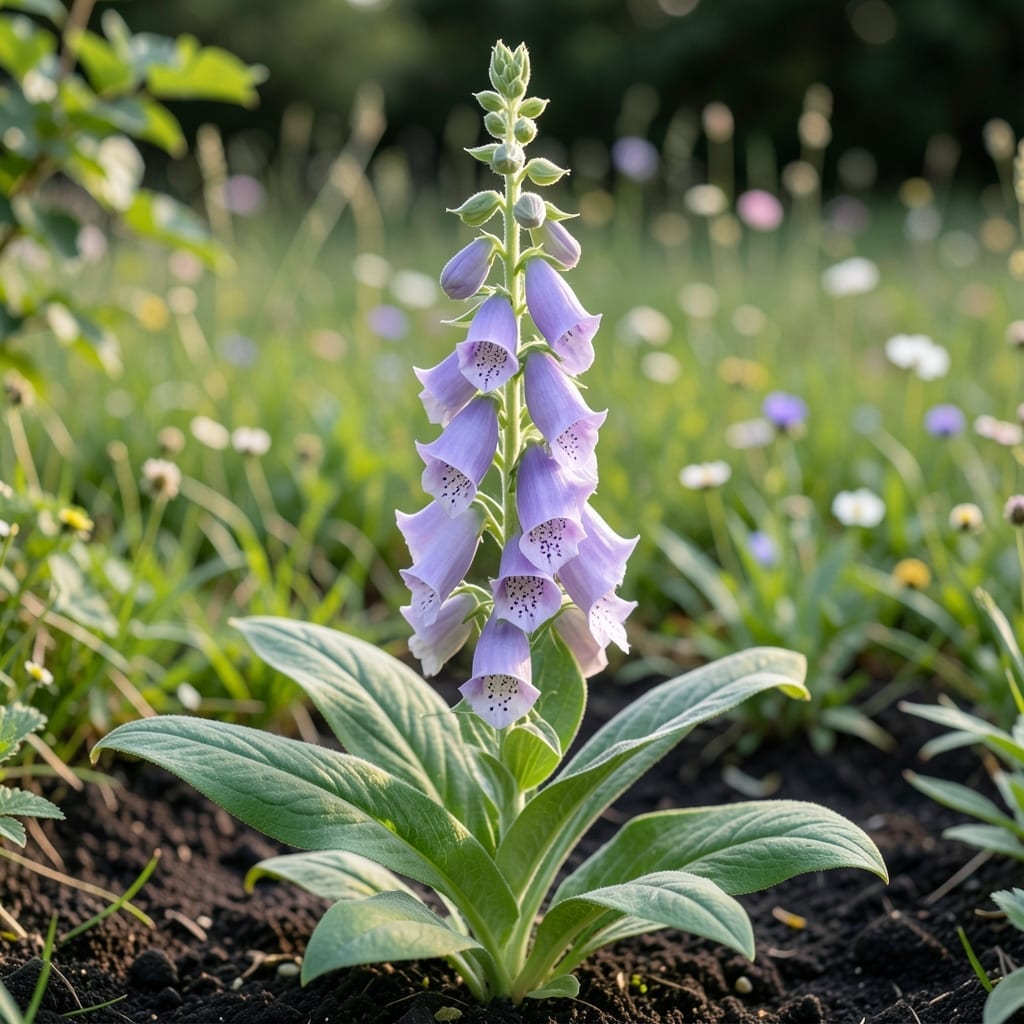
White leaves on foxglove plants always catch my eye—and not in a good way. I’ve seen this happen when powdery mildew takes hold, or when spider mites suck the life out of the foliage.
Sometimes it’s environmental stress: too much sun, not enough water, or soil that’s packed too tight around the roots. The plant struggles, and the leaves turn pale, almost ghostly.
Left unchecked, the problem spreads fast. But here’s the thing—foxglove is toxic, so handling it requires care. Gloves are non-negotiable when you’re inspecting or treating the plant.
With the right approach, you can nurse it back to health. The key is catching it early and addressing the root cause, not just the symptoms.
White leaves on foxglove plants (Digitalis purpurea) often signal underlying issues that disrupt chlorophyll production or cellular function. Below are the most common causes, explained with actionable insights.
A lack of magnesium or iron can lead to chlorosis, where leaves lose their green pigment. Magnesium is central to chlorophyll synthesis, while iron supports enzyme function in photosynthesis. Test soil pH—foxglove thrives in slightly acidic to neutral soil (6.0–7.0). Amend with Epsom salt (for magnesium) or chelated iron if deficiencies are confirmed.
Saturated soil suffocates roots, reducing oxygen uptake and nutrient absorption. This triggers stress responses, including pale or white foliage. Foxglove prefers moist but well-drained conditions. Ensure pots have drainage holes, and avoid waterlogging in garden beds. Mulch with organic matter to balance moisture.
Pathogens like Powdery mildew or Verticillium wilt can bleach leaves by disrupting vascular flow. White, powdery coatings or wilting accompanied by discoloration are red flags. Remove infected foliage immediately, improve air circulation, and apply fungicides like copper-based solutions or neem oil as a preventive measure.
Foxglove prefers partial shade. Excessive direct sunlight can scorch leaves, causing white or brown patches as tissues die. Relocate plants to a spot with dappled shade, especially in hot climates. Use shade cloth if necessary to protect foliage during peak sunlight hours.
Extreme heat or cold can shock the plant, halting chlorophyll production. Foxglove is hardy in USDA zones 4–8 but may struggle in sudden temperature swings. Provide consistent conditions, and use row covers in early spring or late fall to shield from frost.
If your foxglove leaves are turning white, act fast to address the underlying issue and restore plant health. Below are targeted fixes for common causes, along with prevention tips to keep your garden thriving.
White, powdery or moldy patches often signal fungal diseases like powdery mildew. Prune affected leaves immediately with sterilized shears and dispose of them in sealed bags—do not compost. Spray the plant with a baking soda solution (1 tsp baking soda + 1 quart water + a few drops of dish soap) or a copper-based fungicide. Improve airflow by spacing plants and watering at the base to keep foliage dry.
Prevention: Apply neem oil weekly as a preventative, and avoid overhead watering.
Bleached or crispy white leaves may result from excessive sun exposure. Move potted foxgloves to partial shade or use shade cloth for in-ground plants. Water deeply in the early morning to help them recover. Mulch around the base to retain moisture and regulate soil temperature.
Prevention: Plant foxgloves in areas with dappled sunlight and monitor moisture levels during heatwaves.
White webbing or sticky residue can indicate spider mites or aphids. Blast pests off with a strong stream of water, then apply insecticidal soap or horticultural oil. For severe cases, introduce beneficial insects like ladybugs.
Prevention: Regularly inspect the undersides of leaves and maintain garden hygiene to deter pests.
Pale or yellow-white leaves may signal a lack of nitrogen or iron. Test your soil and amend with a balanced fertilizer or iron chelates. Avoid over-fertilizing, which can cause leaf scorch.
Prevention: Feed foxgloves with a slow-release fertilizer in spring and enrich soil with compost annually.
💡 Pro Tip: Always wear gloves when handling foxglove—all parts are toxic if ingested. Wash tools and hands thoroughly after pruning or treating affected plants.
Once leaves turn white, they typically won’t regain their green color. Focus on addressing the root cause to prevent new leaves from turning white. Remove severely affected foliage to redirect the plant’s energy.
Look for powdery coatings, moldy patches, or wilting alongside the white discoloration. Fungal problems often spread quickly and may appear as spots or irregular patterns on the leaves.
No, do not compost leaves with fungal infections or pests. Seal and dispose of them in the trash to prevent spreading the problem to other plants or your compost pile.
Water at the base in the early morning to keep foliage dry. Foxglove prefers moist but well-drained soil, so avoid waterlogging. Mulch helps retain moisture without suffocating the roots.