
Beautiful Plants For Your Interior
Beautiful Plants For Your Interior
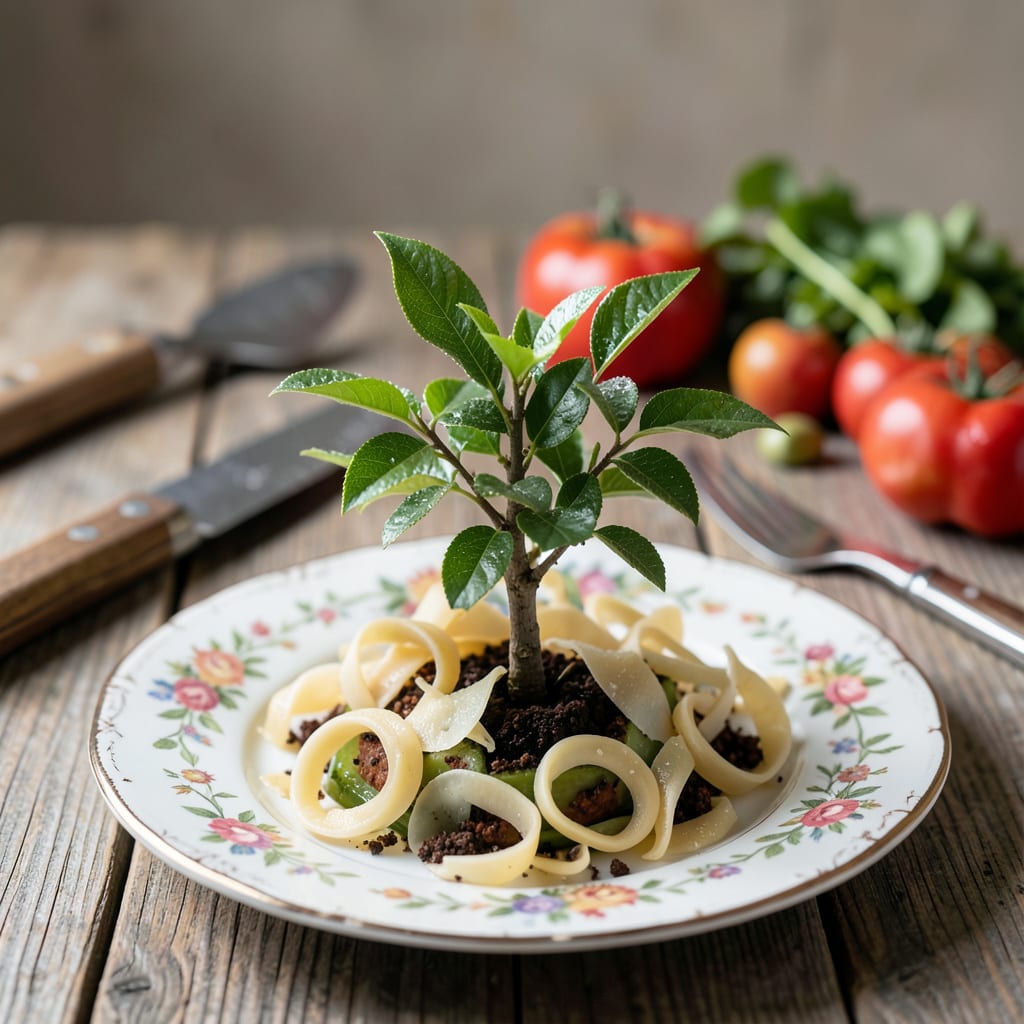
Fertilizing your Fruit Tree 🍎 at the right time is crucial for maximizing yield and maintaining tree health. In USDA Zone 6, the ideal fertilization periods are early spring and fall when the tree is most receptive to nutrients.
I recommend fertilizing your Fruit Tree during these periods to promote healthy growth and fruit production. By doing so, you’ll be able to enjoy a bountiful harvest and maintain the overall well-being of your tree.

Fertilizing fruit trees at the right time is essential for their health and productivity. In general, fruit trees benefit from fertilization during periods of active growth. The best times to fertilize depend on the tree’s growth cycle and the climate in your area 🌳.
For most fruit trees, the ideal times for fertilization are early spring and fall. In early spring, fertilization helps promote new growth and fruit development. In fall, it supports the tree’s preparation for the next growing season and helps maintain its overall health 🍎.
The specific fertilization needs can vary depending on factors such as the type of fruit tree, its age, and the soil conditions. For example, younger trees may require more frequent fertilization than mature trees. It’s also essential to test the soil to determine its nutrient content and pH level, as this information can help guide fertilization decisions 🌱.
Fertilization should be done in accordance with the tree’s growth stage and nutrient requirements. A balanced fertilizer that contains nitrogen, phosphorus, and potassium (NPK) is typically recommended. The amount of fertilizer to apply can depend on the tree’s size and the soil’s fertility level 📏.
For young fruit trees (less than 3 years old), I recommend fertilizing every 4-6 weeks during the growing season. For mature trees, fertilizing 2-3 times a year is usually sufficient. Always follow the manufacturer’s instructions for the specific fertilizer product you’re using 📦.
It’s also important to consider the timing of fertilization in relation to the tree’s growth cycle. Fertilizing too early or too late can be less effective or even harmful. For instance, fertilizing in late summer or fall can promote new growth that may not have time to harden off before winter, making it susceptible to cold damage ❄️.
In addition to the timing, the method of fertilization is also crucial. Fertilizer should be applied evenly around the tree’s drip line, which is the area under the tree’s canopy. This ensures that the roots receive the nutrients effectively 🌿.
Monitoring the tree’s response to fertilization and adjusting the fertilization schedule as needed is key to maintaining its health. Signs of nutrient deficiency or excess can guide adjustments to the fertilization program 🔍.
By understanding the best times to fertilize your fruit trees and following a well-planned fertilization schedule, you can support their growth and productivity. This knowledge, combined with proper care and maintenance, will help ensure a bountiful harvest for years to come 🌟.
Regular soil testing and observation of the tree’s health can further refine your fertilization strategy, ensuring that your fruit trees receive the nutrients they need to thrive 📈.
Implementing a thoughtful fertilization plan is a critical component of fruit tree care. By doing so, you’ll be able to enjoy the many benefits that come with growing your own fruit trees, from delicious homegrown produce to the beauty and shade they provide 🌳.
Before fertilizing your fruit trees, it’s essential to consider several factors to ensure you’re providing the right nutrients at the right time. The type of fruit tree, its age, and the soil conditions all play a crucial role in determining the best fertilization strategy 🌳.
I recommend assessing your tree’s specific needs by examining its growth patterns, soil type, and nutrient requirements. This information will help you choose the most effective fertilizer and application schedule 📊.
Fruit trees have different nutrient requirements at various stages of their growth. Understanding these needs is key to effective fertilization 📚.
The age of your fruit tree is a significant factor in determining its fertilization needs. Younger trees require more frequent fertilization to support their rapid growth, while mature trees may need less frequent applications 🌲.
Soil conditions also play a critical role in fertilization. Testing your soil to determine its pH level and nutrient content will help you choose the right fertilizer and avoid over-fertilization 🌿.
In addition to soil testing, observing your tree’s growth patterns and overall health can provide valuable insights into its fertilization needs. Look for signs of nutrient deficiencies, such as yellowing leaves or stunted growth 🔍.
When selecting a fertilizer, choose a balanced product that contains nitrogen, phosphorus, and potassium (NPK). The specific NPK ratio may vary depending on your tree’s needs and soil conditions 📝.
I always recommend following the manufacturer’s instructions for the specific fertilizer product you’re using. Over-fertilization can be harmful to your trees, so it’s better to err on the side of caution ⚠️.
By considering these factors and tailoring your fertilization strategy to your fruit trees’ specific needs, you’ll be able to promote healthy growth and maximize your harvest 🌟.
Regular monitoring and adjustments to your fertilization program will help ensure your fruit trees continue to thrive. This proactive approach to tree care will pay dividends in the long run, providing you with a bountiful harvest for years to come 📈.
When fertilizing fruit trees, it’s essential to avoid common mistakes that can harm the trees or reduce their productivity. One of the most significant errors is over-fertilization, which can cause more harm than good 🌳.
I recommend being cautious when applying fertilizer, as excessive nutrients can damage the tree’s roots and leaves. It’s also crucial to choose the right type of fertilizer for your fruit trees, taking into account their specific nutrient needs 📝.
Over-fertilization can cause root damage and promote weak growth that is susceptible to disease and pests.
Another mistake to avoid is fertilizing at the wrong time. Fertilizing too early or too late in the season can be less effective or even harmful. For example, fertilizing in late summer or fall can promote new growth that may not have time to harden off before winter ❄️.
The method of fertilization is also critical. Fertilizer should be applied evenly around the tree’s drip line, which is the area under the tree’s canopy. This ensures that the roots receive the nutrients effectively 🌿.
To avoid common mistakes, I recommend following the manufacturer’s instructions for the specific fertilizer product you’re using. It’s also essential to monitor your tree’s response to fertilization and adjust your fertilization schedule as needed 🔍.
By being aware of these common mistakes and taking steps to avoid them, you can help ensure the health and productivity of your fruit trees. Regular monitoring and adjustments to your fertilization program will help you achieve a bountiful harvest for years to come 📈.
Implementing a thoughtful fertilization plan is a critical component of fruit tree care. By doing so, you’ll be able to enjoy the many benefits that come with growing your own fruit trees, from delicious homegrown produce to the beauty and shade they provide 🌳.
For most fruit trees, the ideal times for fertilization are early spring and fall. In early spring, fertilization helps promote new growth and fruit development. In fall, it supports the tree’s preparation for the next growing season and helps maintain its overall health .
For young fruit trees (less than 3 years old), I recommend fertilizing every 4-6 weeks during the growing season. For mature trees, fertilizing 2-3 times a year is usually sufficient. Always follow the manufacturer’s instructions for the specific fertilizer product you’re using .
Choose a balanced fertilizer that contains nitrogen, phosphorus, and potassium (NPK). The specific NPK ratio may vary depending on your tree’s needs and soil conditions. I recommend testing your soil to determine its nutrient content and pH level before selecting a fertilizer .
No, it’s best to avoid fertilizing fruit trees during the winter when they’re dormant. Fertilizing during this time can promote new growth that may not have time to harden off before winter, making it susceptible to cold damage .
