
Beautiful Plants For Your Interior
Beautiful Plants For Your Interior
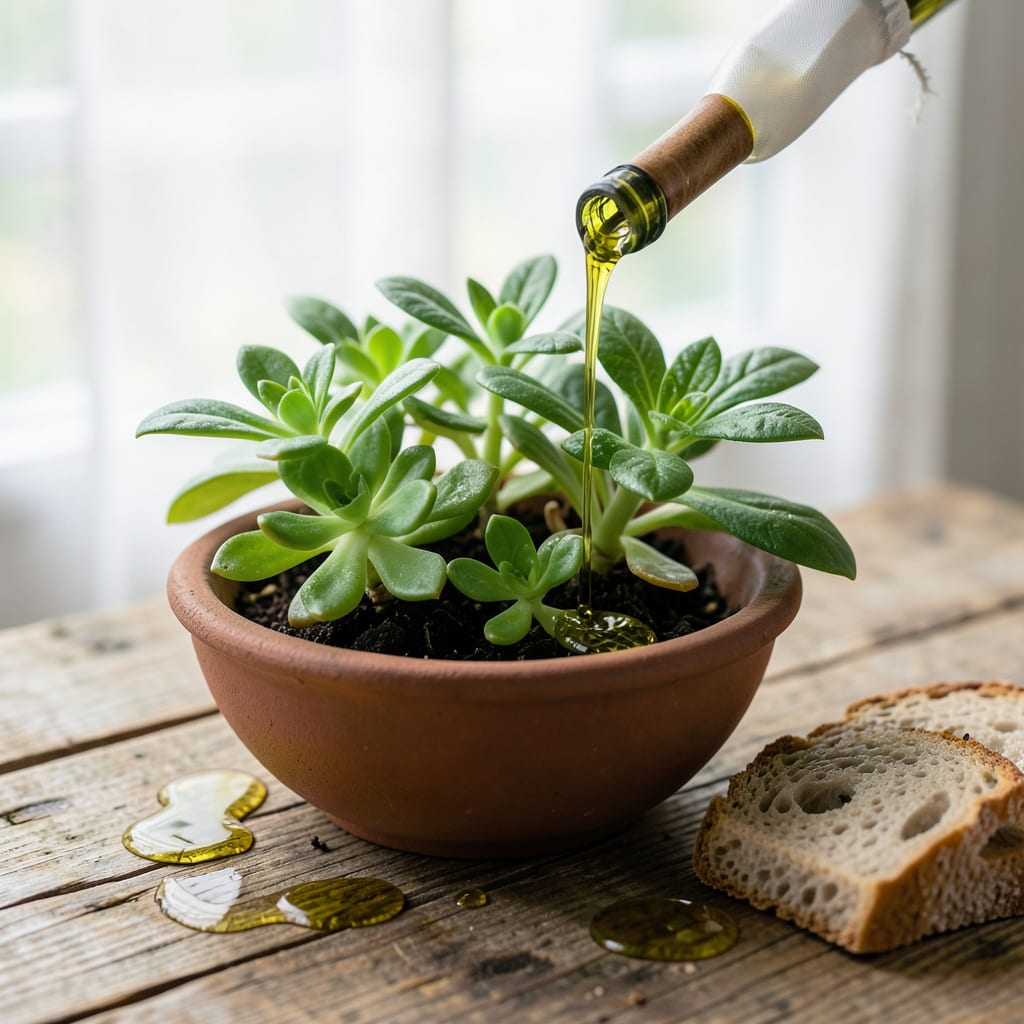
Fertilizing your General Plant 🌱 at the right time can make all the difference in its growth. In USDA Zone 6, the growing season typically starts in spring, making it the ideal time to provide your plant with essential nutrients.
Understanding when to fertilize is crucial for maximizing your plant’s potential. Let’s explore the best times to fertilize your General Plant 🌱 and help it thrive throughout the growing season.

Fertilizing plants at the right time is crucial for their growth and development. Different factors such as plant type, growth stage, and seasonal changes affect fertilization needs. Understanding these factors will help you provide your plants with the necessary nutrients at the right time.
The type of plant you’re growing plays a significant role in determining when to fertilize. Different plants have varying nutrient requirements, and fertilizing them at the right time can significantly impact their growth. For example, flowering plants may require more frequent fertilization during their blooming season.
The growth stage of your plant is another critical factor to consider when fertilizing. Plants have different nutrient requirements at various stages of their growth. For instance, young plants require more frequent fertilization to support their rapid growth, while mature plants may require less frequent fertilization.
Seasonal changes also impact fertilization needs. In USDA Zone 6, the growing season typically starts in spring and continues through summer. During this time, plants require more nutrients to support their growth. In fall, plant growth slows down, and fertilization can be reduced. In winter, most plants are dormant, and fertilization is not necessary.
To maximize your plant’s growth, it’s essential to fertilize at the right time. By understanding the type of plant, its growth stage, and the seasonal changes, you can provide your plants with the necessary nutrients to thrive.
Fertilizing your plants regularly can lead to healthier growth, increased yields, and more vibrant blooms. By following the right fertilization schedule, you can help your plants reach their full potential.
It’s also important to note that over-fertilization can be harmful to plants. Be sure to follow the recommended fertilization schedule and adjust according to your plant’s specific needs.
By understanding the importance of fertilization timing and adjusting your fertilization schedule accordingly, you can help your plants grow and thrive throughout the year 🌿.
In summary, fertilizing your plants at the right time is crucial for their growth and development. By considering factors such as plant type, growth stage, and seasonal changes, you can provide your plants with the necessary nutrients to maximize their growth.
For more information on fertilizing specific types of plants, check out our next section on Best Fertilization Practices for Different Plant Types.
Fertilizing different types of plants requires understanding their unique needs. Flowering plants, vegetables, houseplants, and trees all have different fertilization requirements. By tailoring your fertilization approach to the specific needs of each plant type, you can maximize their growth and productivity 🌼.
Understanding the specific fertilization needs of different plant types is crucial for their optimal growth. By following these guidelines, you can ensure that your plants receive the necessary nutrients to thrive 🌿.
For example, flowering plants like roses and petunias benefit from regular fertilization during their blooming season. A balanced fertilizer with equal parts nitrogen, phosphorus, and potassium (NPK) promotes healthy growth and blooming 🌼.
Vegetables and fruit-bearing plants require more phosphorus to promote fruiting and root development. Using a high-phosphorus fertilizer can significantly improve yields and plant health 🥕.
Houseplants have different fertilization needs depending on their growth stage. During the growing season (spring and summer), use a balanced, water-soluble fertilizer to support their growth. Reduce fertilization during the dormant season (fall and winter) to allow the plants to rest 🏠.
By tailoring your fertilization practices to the specific needs of your plants, you can promote healthy growth, increased yields, and more vibrant blooms. This targeted approach to fertilization ensures that your plants receive the right nutrients at the right time, maximizing their potential 🌻.
For more information on avoiding common fertilization mistakes, check out our next section on Common Fertilization Mistakes to Avoid.
Fertilizing plants can be a delicate process, and making mistakes can have negative consequences on their growth. To ensure you’re providing your plants with the best care, it’s essential to be aware of common fertilization mistakes and take steps to avoid them.
Be cautious of over-fertilization, as it can cause burned roots and excessive growth that’s weak and prone to disease.
One of the most significant mistakes gardeners make is over-fertilizing. This can lead to an accumulation of salts in the soil, causing damage to the roots and potentially killing the plant. To avoid this, always follow the recommended fertilizer application rates and take into account the specific needs of your plants.
Another common mistake is under-fertilizing. While it may seem harmless, failing to provide your plants with necessary nutrients can result in stunted growth and poor yields.
The type of fertilizer used is also crucial. Using the wrong type can lead to nutrient deficiencies or excesses. For example, using a high-nitrogen fertilizer on flowering plants can promote leaf growth at the expense of blooms.
To avoid these mistakes, it’s essential to monitor your plants’ response to fertilization. Keep an eye out for signs of nutrient deficiencies or excesses, such as yellowing leaves or burned roots. Adjust your fertilization schedule accordingly to ensure your plants receive the right amount of nutrients.
By being aware of these common fertilization mistakes and taking steps to avoid them, you can help your plants thrive and achieve optimal growth 🌿.
Fertilize your plants every 4-6 weeks during the growing season, which typically includes spring and summer. The exact frequency depends on the type of plant and its growth stage. For example, young plants may require more frequent fertilization.
The early morning is considered the best time to fertilize plants. This allows the plants to absorb the nutrients throughout the day. Avoid fertilizing during the hottest part of the day to prevent burning the roots.
Yes, but reduce fertilization in fall as plant growth slows down. Use a light feed to help build winter reserves. The specific fertilization needs will depend on the type of plant and its growth stage. For example, some plants may require a balanced fertilizer while others may need a high-phosphorus fertilizer.
Yes, most plants are dormant during winter and do not require fertilization. Stop fertilizing during this time to allow your plants to rest. This will help prevent over-fertilization and promote healthy growth when the growing season resumes.
