
Beautiful Plants For Your Interior
Beautiful Plants For Your Interior
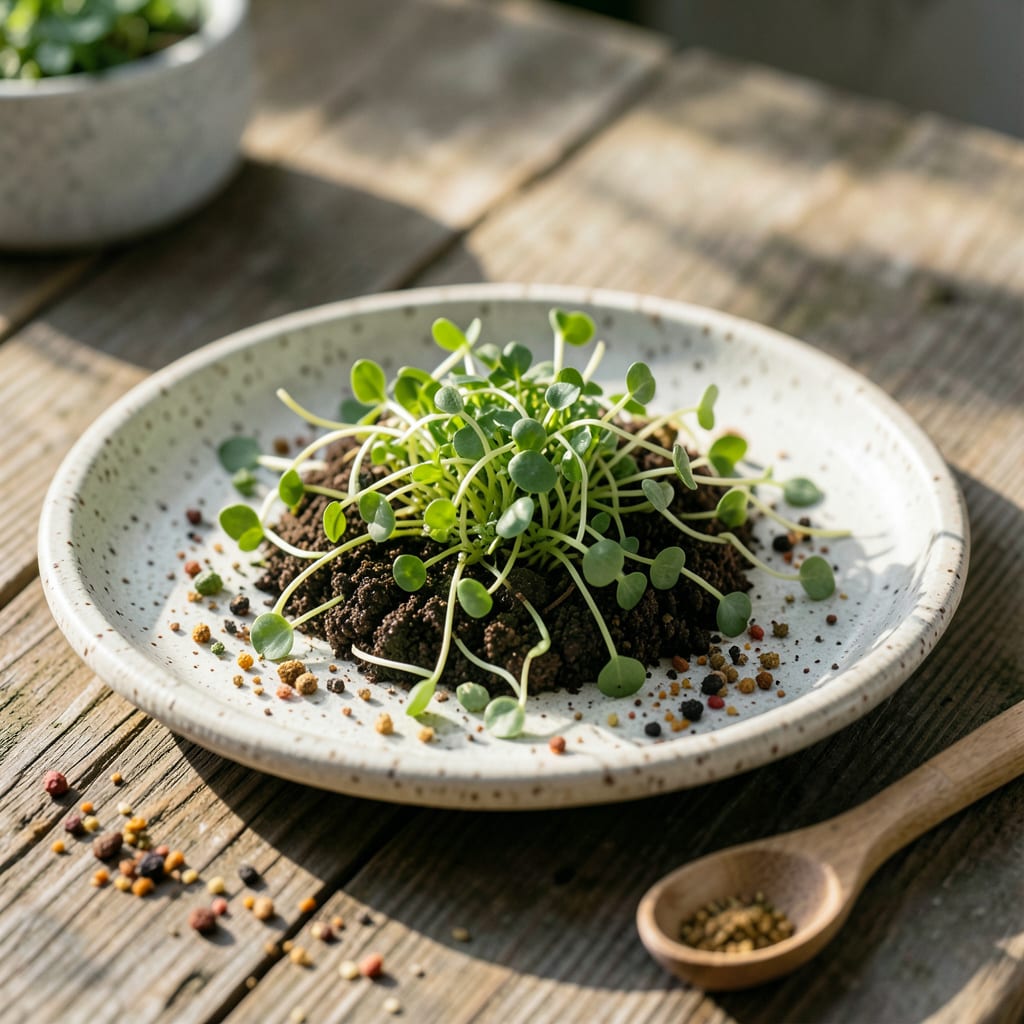
Maintaining a lush, green Lawn Grass 🌿 in California can be challenging due to the state’s diverse climate zones. The key to success lies in understanding when to fertilize your lawn to promote healthy growth.
In California’s Year-round growing season, timing is everything – fertilizing at the right moments can make all the difference. Let’s explore the best times to fertilize your Lawn Grass in California for optimal results.

California’s diverse climate zones require a tailored approach to lawn fertilization. The state’s coastal, desert, and mountain regions have different optimal fertilization times. Understanding these regional differences is crucial for achieving a healthy and lush lawn 🌿.
The fertilization schedule varies significantly across California’s regions. In general, the state’s cooler regions require fertilization during the spring and fall, while warmer areas need more frequent feeding during the growing season. Let’s examine the specific fertilization times for different California regions.
For coastal areas, the mild climate allows for year-round growth, but fertilization should be avoided during the hottest summer months. In desert regions, fertilization is critical during the cooler months when grass is actively growing. Mountain areas have a shorter growing season, requiring fertilization during the late spring and early fall when temperatures are more moderate.
Understanding these regional differences is key to creating an effective fertilization schedule. By tailoring your fertilization timing to your specific region, you can promote healthy growth and maintain a lush, green lawn throughout the year 🌿.
It’s also important to consider the type of grass in your lawn when determining fertilization timing. Different grass types have varying growth patterns and nutrient requirements. We’ll explore this topic in more detail in the next section.
In addition to regional timing, soil conditions play a crucial role in lawn fertilization. Testing your soil can help determine its nutrient content and pH level, allowing you to choose the most effective fertilizer.
When fertilizing, it’s essential to follow the recommended application rates to avoid over-fertilizing, which can harm your lawn and the environment. Always read and follow the instructions on the fertilizer package.
The type of fertilizer you choose is also critical. Slow-release fertilizers provide nutrients to your lawn over an extended period, promoting consistent growth. Organic fertilizers are another option, offering a more natural and sustainable approach to lawn care.
By combining the right fertilization timing with proper lawn care practices, such as regular mowing and watering, you can achieve a healthy, thriving lawn that enhances your outdoor space.
Remember, a well-maintained lawn not only adds beauty to your property but also provides a safe and enjoyable space for outdoor activities. By following these guidelines and adapting them to your specific region and lawn type, you can enjoy a lush, green lawn year-round 🌿.
Understanding the type of grass in your California lawn is crucial for determining the best fertilization schedule. Different grass types have varying growth patterns and nutrient requirements. Let’s explore the fertilization timing for cool-season and warm-season grasses commonly found in California lawns.
Cool-season grasses, such as ryegrass and bluegrass, thrive in California’s cooler months. These grasses require more frequent fertilization during their active growing periods. In contrast, warm-season grasses like Bermuda grass and Zoysia grass grow more actively during the warmer months and have different fertilization needs.
For cool-season grasses, fertilizing in fall helps promote root growth, while spring fertilization supports new growth. In contrast, warm-season grasses benefit from late spring and summer fertilization to maintain their health and vigor during the active growing season.
It’s essential to choose the right type of fertilizer based on your grass type. Balanced fertilizers are suitable for cool-season grasses, while high-nitrogen fertilizers are often recommended for warm-season grasses. Always follow the recommended application rates to avoid over-fertilizing, which can harm your lawn and the environment 🌿.
By understanding the specific fertilization needs of your lawn’s grass type, you can create a targeted fertilization schedule that promotes healthy growth and maintains a lush, green lawn throughout the year.
Combining the right fertilization timing with proper lawn care practices, such as regular mowing and watering, will help you achieve a thriving lawn that enhances your outdoor space.
To achieve a healthy and lush lawn in California, it’s essential to follow best practices for lawn fertilization. Proper fertilization timing is just the first step; understanding how to apply fertilizer correctly is equally important 🌿.
When fertilizing your lawn, be aware of common mistakes that can harm your grass and the environment. Over-fertilizing can lead to excessive growth, making your lawn more susceptible to disease and pests.
One of the most critical factors in successful lawn fertilization is choosing the right type of fertilizer. For most California lawns, a balanced fertilizer (e.g., 10-10-10 NPK) is recommended. However, the specific needs of your lawn may vary depending on the grass type and soil conditions.
Application rates are another crucial aspect of lawn fertilization. Always follow the recommended rates on the fertilizer package to avoid over-fertilizing. Over-application can damage your lawn and contaminate water sources ⚠️.
The timing of fertilization is also important. Fertilizing during the cooler parts of the day, such as early morning or evening, can help reduce evaporation and burn risk. Additionally, avoid fertilizing before heavy rainfall to prevent nutrient runoff.
By following these best practices and being mindful of your lawn’s specific needs, you can achieve a healthy, thriving lawn that enhances your outdoor space. Regular mowing, watering, and proper mowing height are also essential for maintaining a lush, green lawn 🌿.
For more specific guidance tailored to your region and lawn type, consider consulting with a local gardening expert or landscape professional. They can provide personalized advice to help you achieve the best results.
The best time to fertilize your lawn in California depends on your region and grass type. For coastal areas, fertilize in spring (March-May) and fall (September-November). In desert regions, fertilize in late winter (February-March) and early fall (September-October). For mountain areas, fertilize in late spring (May-June) and early fall (September-October) .
Fertilization frequency varies depending on grass type. For cool-season grasses, fertilize twice a year in fall and spring. For warm-season grasses, fertilize twice a year in late spring and summer. Always follow the recommended application rates to avoid over-fertilizing .
For most California lawns, a balanced fertilizer (e.g., 10-10-10 NPK) is recommended. Cool-season grasses benefit from balanced fertilizers, while warm-season grasses may require high-nitrogen fertilizers (e.g., 20-5-10 NPK). Consider your soil conditions and grass type when choosing a fertilizer .
For most California regions, it’s best to avoid fertilizing during the hottest summer months to prevent excessive growth and potential lawn burn. If you must fertilize, use a slow-release fertilizer and follow the recommended application rates carefully .
