
Beautiful Plants For Your Interior
Beautiful Plants For Your Interior
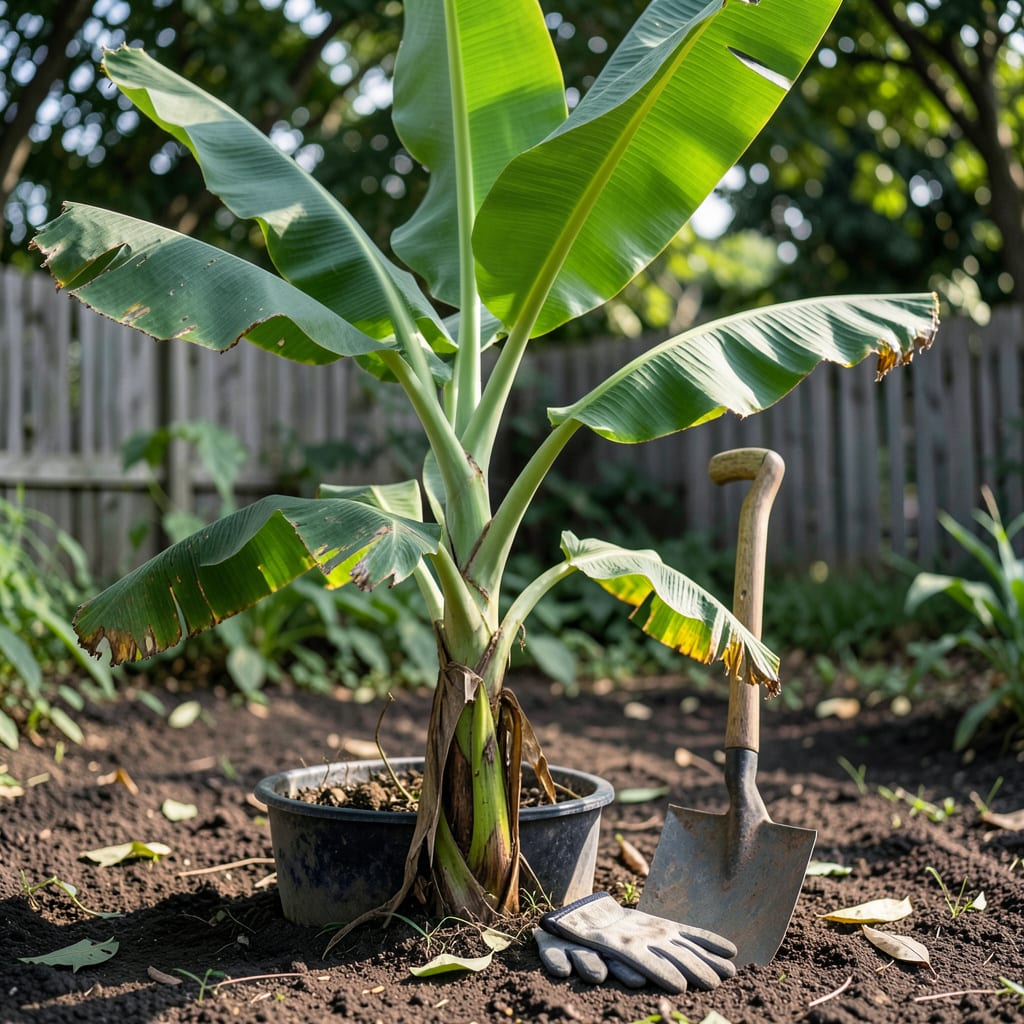
When you plant bananas 🍌 in your garden, you’re not just adding a tropical touch – you’re creating a lush landscape that can thrive with proper care. In USDA zone 6a, you’ll need to consider specific growing conditions to make your banana plants flourish.
Let’s explore what happens when you plant bananas and how to make the most of your gardening efforts. With the right techniques, you’ll be on your way to enjoying a fruitful harvest.
When you decide to plant bananas in your garden, you’re starting a journey that requires careful planning and attention to detail. First, you’ll need to select the right variety of banana plant that suits your climate and growing conditions.
For gardeners in USDA zone 6a, it’s crucial to choose a cold-hardy or container-grown banana variety that can thrive in your local climate. This selection will help ensure the plant’s survival through the winter months.
Test your soil pH and adjust it if necessary. Bananas prefer a slightly acidic to neutral soil pH (5.5-7.0). Add organic matter like compost to improve soil fertility and drainage.
Select a location that receives full sun (6+ hours of direct sunlight) and is protected from strong winds. Ensure the area has good air circulation to prevent fungal diseases.
Plant the banana rhizome 4-6 inches deep, with the growing point (or “eye”) facing upwards. Water thoroughly after planting and keep the soil consistently moist.
After planting, it’s essential to water regularly and fertilize your banana plants to promote healthy growth. Keep in mind that bananas are heavy feeders and will benefit from regular nutrient applications 🌿.
As your banana plants grow, you’ll need to monitor their health and watch out for signs of pests or diseases. Regular inspections will help you catch any issues early, ensuring a successful harvest.
One of the most exciting aspects of growing bananas is seeing the rapid growth of the plants. In ideal conditions, banana plants can grow several feet in just a few weeks, providing a lush, tropical canopy in your garden.
To maximize your chances of success, be sure to protect your plants from extreme weather conditions, such as frost or strong winds. Using mulch or other protective measures can help safeguard your banana plants during the colder months.
By following these steps and providing the right care, you’ll be well on your way to enjoying a bountiful harvest of delicious, homegrown bananas 🍌.
As you continue to care for your banana plants, you’ll notice the unique growth patterns and fruit production cycles. Understanding these patterns will help you optimize your care routine and anticipate future harvests.
With proper care and attention, your banana plants will thrive, providing a tropical oasis in your garden and a rewarding gardening experience.
When you plant bananas in your garden, you can expect a transformative experience that goes beyond just growing a fruit-bearing plant. Bananas can become a statement piece in your landscape, providing a tropical ambiance and potentially becoming a conversation starter among gardening enthusiasts 🌴.
The growth patterns of banana plants are quite fascinating. They can grow several feet in just a few weeks under ideal conditions, creating a lush canopy that can provide shade and add visual interest to your garden.
One of the key aspects to understand when growing bananas is their fruit production cycle. Banana plants produce fruit once and then the mother plant dies back, but it produces suckers or new shoots that continue the cycle, ensuring a continuous harvest.
To make the most of your banana plants, it’s essential to monitor their health regularly. Keep an eye out for signs of pests or diseases, and take action promptly if you notice any issues.
Banana plants also have specific nutrient requirements. They are heavy feeders and benefit from regular fertilization. A balanced fertilizer with a mix of nitrogen, phosphorus, and potassium will support healthy growth and fruit production.
As your banana plants grow and produce fruit, you’ll need to plan for future harvests. Understanding the growth patterns and fruit production cycles will help you anticipate and prepare for future harvests, ensuring a continuous supply of delicious homegrown bananas.
By understanding what to expect when you plant bananas in your garden, you can better appreciate the unique characteristics of these plants and enjoy the many benefits they provide, from their ornamental value to their delicious fruit 🌿.
When you plant bananas in your garden, you can expect a transformative experience that goes beyond just growing a fruit-bearing plant. Bananas can become a statement piece in your landscape, providing a tropical ambiance and potentially becoming a conversation starter among gardening enthusiasts 🌴.
The growth patterns of banana plants are quite fascinating. They can grow several feet in just a few weeks under ideal conditions, creating a lush canopy that can provide shade and add visual interest to your garden.
One of the key aspects to understand when growing bananas is their fruit production cycle. Banana plants produce fruit once and then the mother plant dies back, but it produces suckers or new shoots that continue the cycle, ensuring a continuous harvest.
To make the most of your banana plants, it’s essential to monitor their health regularly. Keep an eye out for signs of pests or diseases, and take action promptly if you notice any issues.
Banana plants also have specific nutrient requirements. They are heavy feeders and benefit from regular fertilization. A balanced fertilizer with a mix of nitrogen, phosphorus, and potassium will support healthy growth and fruit production.
As your banana plants grow and produce fruit, you’ll need to plan for future harvests. Understanding the growth patterns and fruit production cycles will help you anticipate and prepare for future harvests, ensuring a continuous supply of delicious homegrown bananas.
By understanding what to expect when you plant bananas in your garden, you can better appreciate the unique characteristics of these plants and enjoy the many benefits they provide, from their ornamental value to their delicious fruit 🌿.
Banana plants typically take 6-8 months to produce a flower stalk that eventually develops into a bunch of bananas. The fruit is usually ready to harvest 3-4 months after the flower stalk appears. This means you can expect to wait around 9-12 months for your first harvest.
Yes, banana plants require full sun to thrive, which means they need 6+ hours of direct sunlight daily. They also benefit from being protected from strong winds, which can damage the plants. Proper sunlight exposure is crucial for healthy growth and fruit production.
Banana plants need consistent moisture, especially when they’re producing fruit. Water them every 2 days during the growing season, making sure the soil is moist but not waterlogged. Adjust the frequency based on weather conditions to prevent overwatering.
While bananas typically thrive in warmer climates, you can still grow them in colder areas like USDA zone 6a. Choose a cold-hardy or container-grown variety, and protect the plants from frost using mulch or other protective measures. This will help ensure their survival through the winter months.
