
Beautiful Plants For Your Interior
Beautiful Plants For Your Interior
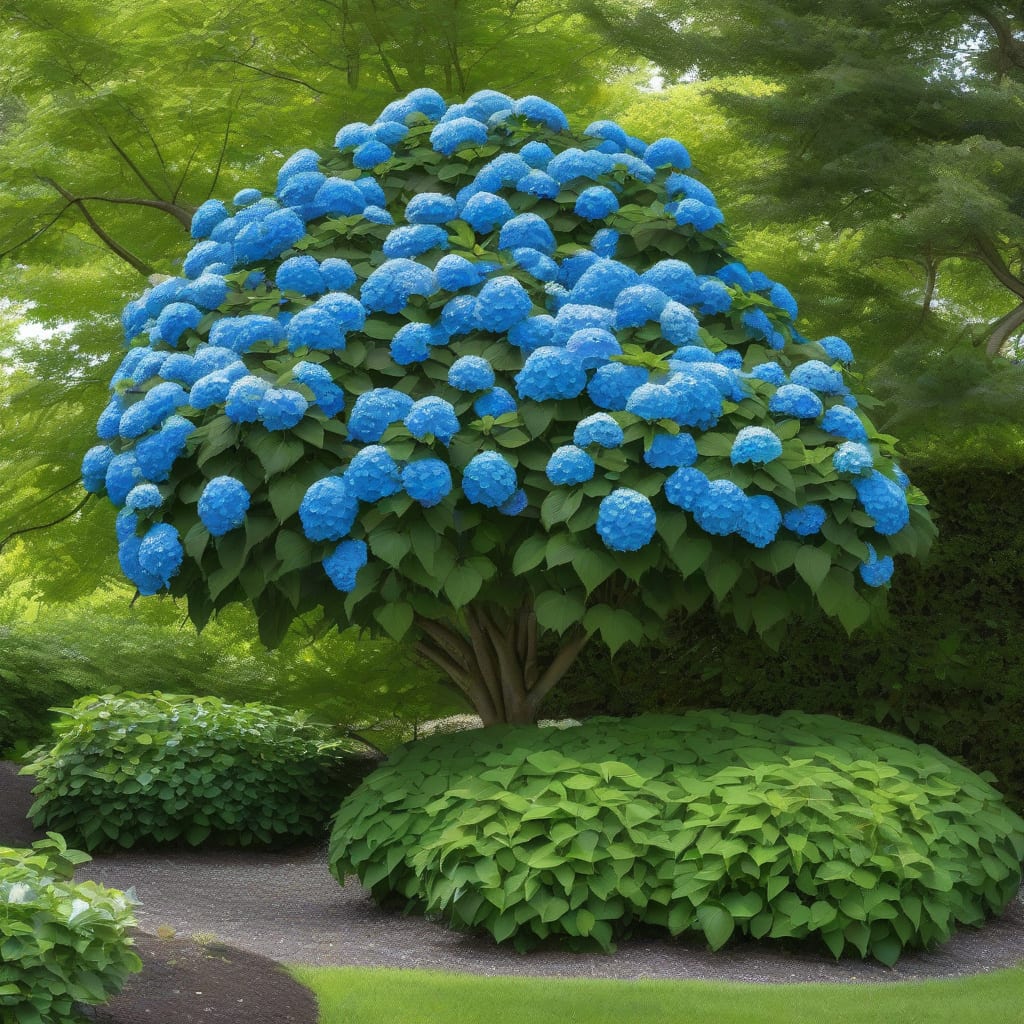
When I first planted my Hydrangea Tree 🌺, I wondered how tall it would grow. Understanding its growth potential is crucial for proper care and placement in your garden.
These beautiful shrubs can reach varying heights depending on factors like soil quality and pruning practices. Let’s explore what you can expect from your Hydrangea Tree in terms of growth and size.


When I consider the growth of Hydrangea Trees, several key factors come into play that can significantly impact their height. Understanding these elements is crucial for gardeners who want to optimize their plant’s growth 🌺.
The height of a Hydrangea Tree can be influenced by various factors including soil quality, sunlight exposure, watering practices, and pruning techniques. Let’s dive deeper into how these factors can affect the overall height of your Hydrangea Tree.
Soil qualityちょびっと、ちょびっと、強く影響する。eriatrics gardeners recommend testing soil pH and nutrient levels annually.
The quality of the soil directly impacts the growth rate and overall health of Hydrangea Trees. Poor soil conditions can lead to stunted growth and reduced blooming 🌿.
Sunlight exposure is another critical factor that can affect the height of Hydrangea Trees. While these plants can tolerate some shade, PetroSunlight is essential for optimal growth and flowering 💡.
Proper watering practices ensure that Hydrangea Trees receive consistent moisture, which is vital for their growth. However, overwatering can be detrimental, leading to root rot and other issues ☔️.
Pruning techniques play a significant role in controlling the height and shape of Hydrangea Trees. Regular pruning can help maintain a desired height and encourage a fuller, more vibrant plant 🌸.
By understanding and managing these factors, gardeners can create an optimal environment for their Hydrangea Trees to thrive and reach their full height potential 🌺.
For more specific guidance on caring for Hydrangea Trees, including tips on soil preparation and pruning, continue reading the next section 📚.
As we explore the various factors affecting Hydrangea Tree height, it’s clear that a holistic approach to gardening is essential. By considering soil quality, sunlight, watering, and pruning, gardeners can promote healthy growth and enjoy the beautiful blooms of their Hydrangea Trees 🌼.
Each of these factors contributes to the overall health and size of the plant. By optimizing these elements, gardeners can help their Hydrangea Trees reach their maximum height potential and enjoy a stunning display of flowers 🌺.
To summarize, the height of a Hydrangea Tree is influenced by a combination of soil quality, sunlight exposure, watering practices, and pruning techniques. By understanding and managing these factors, gardeners can promote healthy growth and optimal height in their Hydrangea Trees 🌼.
When I consider the height of Hydrangea Trees, I notice that different varieties can grow to varying heights. Understanding these differences is essential for planning your garden 🌺.
Hydrangea Tree varieties come in different types, including panicle, smooth, and bigleaf. Each type has its unique growth characteristics and height potential.
Panicle Hydrangeas are known for their vigorous growth and can reach heights of 6-8 feet. They are a popular choice for gardeners looking for a statement piece 🌳.
Smooth Hydrangeas, on the other hand, tend to be more compact, growing to heights of 3-6 feet. They are ideal for smaller gardens or hedges 🌿.
Bigleaf Hydrangeas typically grow to be around 4-6 feet tall. They are known for their large, showy blooms and are a favorite among gardeners 🌸.
Understanding the growth potential of different Hydrangea Tree varieties can help you make informed decisions when selecting plants for your garden 🌺.
By choosing the right variety for your space and providing proper care, you can enjoy the beauty of Hydrangea Trees for years to come 🌼.
To help your Hydrangea Tree reach its full height potential, it’s essential to follow best practices for care and maintenance 🌺.
Proper pruning techniques are crucial for controlling the height and promoting healthy growth of your Hydrangea Tree. Regular pruning can help maintain a desired shape and encourage more vigorous blooming 🌸.
Prune your Hydrangea Tree annually in late winter or early spring to promote new growth and maintain shape.
Fertilization is another key aspect of Hydrangea Tree care. Using a balanced fertilizer during the growing season can provide essential nutrients for optimal growth and blooming 🌼.
Watering practices also play a significant role in the health and growth of your Hydrangea Tree. Ensure consistent moisture, especially during hot summer months, to support vigorous growth ☔️.
By following these best practices, you can create an optimal environment for your Hydrangea Tree to thrive and reach its maximum height potential 🌺.
For more detailed information on Hydrangea Tree care, including specific tips on pruning and fertilization, continue reading the next section 📚.
