
Beautiful Plants For Your Interior
Beautiful Plants For Your Interior
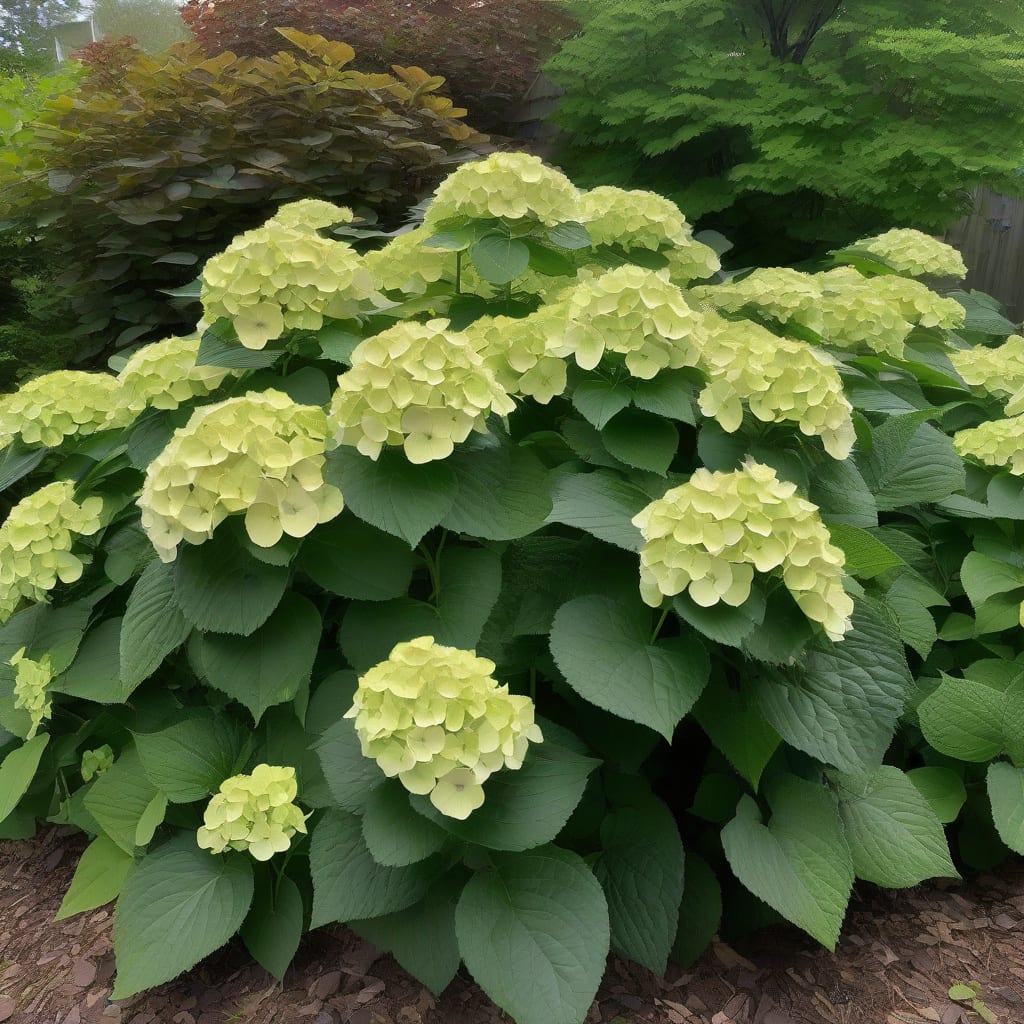
When I first planted my Hydrangea 💐, I wondered how tall it would grow. Understanding the growth potential of these beautiful shrubs is crucial for perfect garden placement.
Hydrangeas can grow between 3 to 8 feet tall, depending on the variety and growing conditions in your USDA Zone 6 garden. Let’s explore what affects their height and how to manage it.

2 ft

4 ft

6 ft

6 ft
When I first started growing hydrangeas, I realized that their height is influenced by multiple factors. Understanding these factors is crucial for achieving the desired height in your garden. The main factors include soil quality, sunlight exposure, watering practices, and pruning techniques.
Soil quality plays a significant role in hydrangea growth. Well-draining soil with a pH between 6.0 and 7.0 is ideal for most hydrangea varieties. The soil should also be rich in organic matter to support healthy growth.
Sunlight exposure is another critical factor. Hydrangeas generally prefer partial shade, especially in warmer climates. Too much direct sunlight can cause leaf scorch and reduce blooming. 🌻
Watering practices significantly impact hydrangea height. These plants prefer consistent moisture, particularly during their first growing season. Deep watering once or twice a week is usually sufficient, depending on weather conditions.
Pruning techniques are essential for managing hydrangea height. The timing and method of pruning can significantly affect the plant’s growth and blooming. For most varieties, pruning in late winter or early spring is recommended.
By understanding and managing these factors, you can optimize the growing conditions for your hydrangeas and achieve the desired height in your garden.
The quality of the soil directly affects nutrient availability and root development. Poor soil quality can lead to stunted growth and reduced blooming.
Hydrangeas generally thrive in partial shade, especially in warmer climates. Full sun can be tolerated by some varieties, but it may require more frequent watering.
Consistent moisture is key to healthy hydrangea growth. Drought stress can significantly reduce plant height and blooming.
Pruning not only controls the size but also promotes healthy growth. Proper pruning techniques can encourage new growth and enhance blooming.
In summary, managing the height of hydrangeas involves a combination of good soil quality, appropriate sunlight exposure, consistent watering, and proper pruning techniques. By focusing on these factors, you can help your hydrangeas reach their full potential.
For more detailed information on hydrangea care, including specific tips for different varieties, continue reading the next section.
When considering hydrangeas for your garden, understanding the maximum height potential of different varieties is crucial for proper planning. The height of hydrangeas can vary significantly depending on the specific type. Let’s explore the height ranges of some popular hydrangea varieties.
The Bigleaf Hydrangea is one of the most common varieties, known for its large, showy flowers. It typically grows between 3 to 6 feet tall, making it suitable for smaller gardens or as a specimen plant.
Panicle Hydrangeas are known for their cone-shaped flower clusters and can grow much taller, often reaching heights of 6 to 10 feet. They are ideal for creating a dramatic backdrop in larger garden spaces.
Smooth Hydrangeas are another popular variety, characterized by their smooth leaves and white or pink flowers. They generally grow between 3 to 6 feet tall, similar to Bigleaf Hydrangeas, and are well-suited for borders or woodland gardens.
Oakleaf Hydrangeas are distinguished by their oak-like foliage and can grow up to 6 to 8 feet tall. They are often used as specimen plants or in woodland settings where their unique foliage can be appreciated.
Understanding the growth habits and maximum height potential of these hydrangea varieties can help you make informed decisions when selecting plants for your garden. Whether you prefer compact shrubs or taller specimens, there’s a hydrangea variety to suit your needs.
By choosing the right hydrangea variety for your garden, you can ensure that it thrives and reaches its full potential height.
For more information on caring for hydrangeas and tips on maintaining their desired height, continue reading the next section.
When it comes to managing hydrangea height, pruning is a crucial technique that can help control the plant’s size while promoting healthy growth. Proper pruning techniques can make a significant difference in maintaining the desired height of your hydrangeas.
For most hydrangea varieties, the best time to prune is in late winter or early spring, just before new growth begins. This timing helps encourage new growth and maintains the plant’s shape.
Start by removing any dead or damaged branches. This not only improves the plant’s appearance but also prevents disease from spreading. Cut back to healthy wood just above a bud or lateral branch.
To maintain a desired height and promote air circulation, thin out some of the older branches. This allows more sunlight to reach inner parts of the plant and encourages new growth. 🌿
Finally, shape the plant to maintain its desired height and form. Make clean cuts just above a bud or lateral branch to encourage new growth in the right direction.
By following these pruning steps, you can effectively manage the height of your hydrangeas and ensure they remain healthy and vibrant. Regular pruning not only controls the plant’s size but also promotes better blooming and overall plant health.
Pruning is an essential part of hydrangea care, and doing it correctly can make a big difference in the plant’s appearance and health. By pruning at the right time and using the right techniques, you can keep your hydrangeas looking their best.
For more detailed information on hydrangea care and other gardening tips,
