
Beautiful Plants For Your Interior
Beautiful Plants For Your Interior
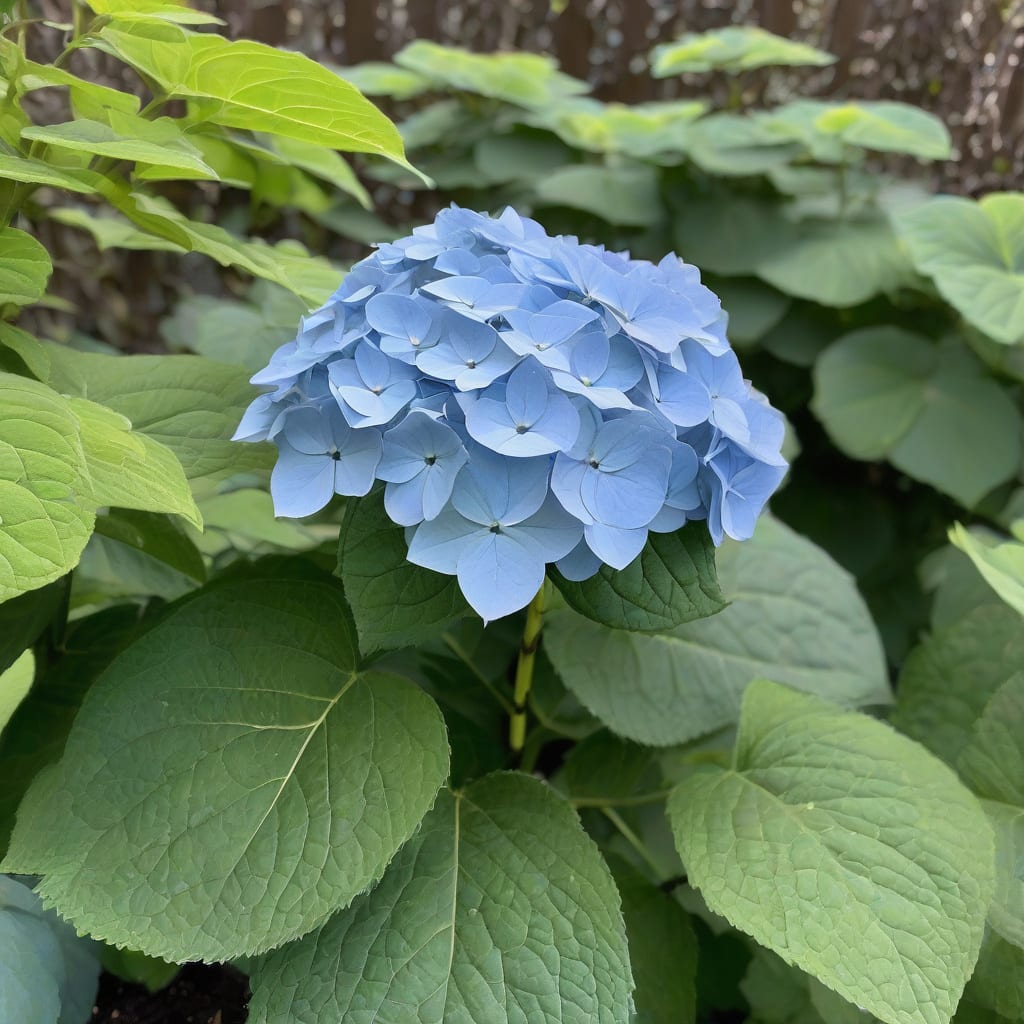
When planning your garden, understanding how tall your Hydrangea 🌺 will grow is crucial. These beautiful shrubs can add significant height to your landscape.
In USDA Zone 6, Hydrangeas typically grow between 3-8 feet tall, depending on the variety and growing conditions. Let’s explore the factors that influence their height and how to manage their growth.


When considering how tall hydrangeas can grow, it’s essential to understand that multiple factors influence their height. The variety of hydrangea is a primary determinant, as different types have distinct growth habits.
Soil quality plays a significant role in hydrangea height growth. Well-draining soil with adequate nutrient content supports healthy growth, while poor soil conditions can limit plant height.
The amount of sunlight hydrangeas receive also impacts their height. Most hydrangeas prefer partial shade to full sun, and the right amount of sunlight can encourage optimal growth.
Pruning practices are another critical factor. Regular pruning can help control the height of hydrangeas and promote a fuller, bushier growth habit. Proper pruning techniques can also encourage more blooms.
Understanding these factors is key to managing hydrangea height effectively. By considering the variety, soil quality, sunlight, and pruning practices, gardeners can better predict and control the height of their hydrangeas.
For more specific guidance on managing hydrangea height, it’s helpful to consider the average height ranges for different varieties. This information can provide a clearer expectation of how tall your hydrangea is likely to grow.
Different hydrangea varieties have distinct growth characteristics. Bigleaf hydrangeas, for example, typically grow between 3-6 feet tall, while Panicle hydrangeas can reach heights of 6-8 feet or more.
Smooth hydrangeas usually grow to be around 3-6 feet tall, and Oakleaf hydrangeas can reach heights of 6-8 feet. Understanding these typical height ranges can help gardeners plan their garden layout more effectively.
By combining knowledge of the factors that influence hydrangea height with an understanding of the typical height ranges for different varieties, gardeners can make more informed decisions about planting and caring for their hydrangeas.
Effective pruning is also crucial for maintaining the desired height and promoting healthy growth. Pruning techniques can vary depending on the hydrangea variety, so it’s essential to understand the specific needs of your plants.
Regular pruning not only helps control height but also encourages more blooms. By pruning your hydrangeas at the right time and in the right way, you can enjoy a fuller, more vibrant display of flowers 🌺.
In conclusion, managing hydrangea height involves understanding the factors that influence growth, knowing the typical height ranges for different varieties, and employing effective pruning techniques. With this knowledge, gardeners can enjoy beautiful, healthy hydrangeas that thrive in their garden 🌺.
Understanding the typical height ranges for different hydrangea varieties is essential for planning your garden layout. Different types of hydrangeas have distinct growth habits and mature heights.
The most common hydrangea varieties include Bigleaf, Panicle, Smooth, and Oakleaf hydrangeas. Each variety has its unique characteristics and growth patterns.
When selecting hydrangeas for your garden, considering their mature height is crucial for proper spacing and layout. Bigleaf and Smooth hydrangeas are generally more compact, making them suitable for smaller gardens or borders.
Panicle and Oakleaf hydrangeas, on the other hand, can grow taller and may require more space or regular pruning to maintain a desired height.
By understanding the typical height ranges for different hydrangea varieties, gardeners can make informed decisions about which plants to include in their garden designs.
Proper planning and knowledge of hydrangea growth habits can lead to a more beautiful and thriving garden landscape.
Gardeners should also consider factors like soil quality and sunlight exposure when planting hydrangeas, as these can impact the plant’s overall health and growth.
Regular maintenance, including pruning and fertilization, can also help ensure that hydrangeas reach their full potential height and remain healthy.
In summary, knowing the average height range for different hydrangea varieties is key to successful garden planning and plant care 🌺.
Managing hydrangea height through proper pruning techniques is essential for maintaining the desired plant size and promoting healthy growth. Regular pruning helps control the height and encourages a fuller, bushier growth habit.
Different hydrangea varieties have different pruning requirements. Understanding the specific needs of your plants is crucial for effective pruning.
Determine if you have Bigleaf, Panicle, Smooth, or Oakleaf hydrangeas, as pruning techniques vary.
Prune hydrangeas in late winter or early spring before new growth begins. For Bigleaf hydrangeas, prune after flowering if necessary 🌼.
Cut out any dead, diseased, or damaged branches to maintain plant health and appearance.
Selectively remove older branches to encourage new growth and improve air circulation.
By following these steps, you can effectively manage the height of your hydrangeas and promote healthy, vigorous growth. Regular pruning not only controls height but also encourages more blooms, leading to a fuller and more vibrant display of flowers 🌺.
Proper pruning techniques can vary depending on the hydrangea variety, so it’s essential to understand the specific needs of your plants. With the right approach, you can enjoy beautiful, thriving hydrangeas in your garden 🌼.
