
Beautiful Plants For Your Interior
Beautiful Plants For Your Interior
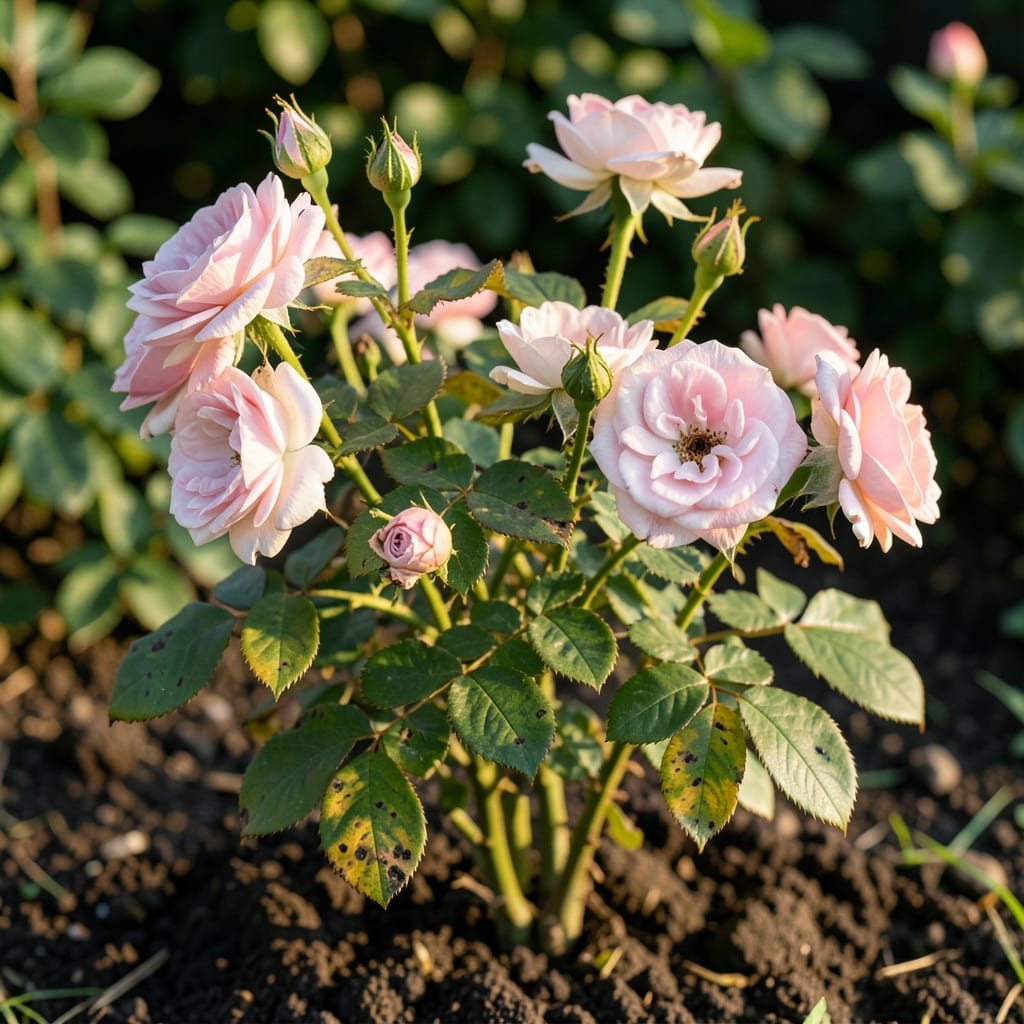
Yellow leaves and drooping stems often signal trouble. I’ve seen healthy rose bushes turn sad overnight simply from too much water.
Overwatered roses show wilting despite wet soil, soft stems, and leaves that yellow between veins. Roots suffocate, turning brown and mushy instead of white and firm.
Catching it early means you can still save the plant. Stop watering immediately and check drainage—most cases improve within a week if the roots aren’t completely rotted.
Prevention is simpler than cure: water only when the top 2-3 inches of soil feel dry. Your roses will thank you with stronger blooms.
Overwatering roses often stems from well-intentioned but misguided care. Understanding the root causes helps prevent this common issue and keeps your plants thriving. Below are the primary reasons behind overwatering:
Many gardeners assume roses need daily watering, but their roots require oxygen as much as moisture. Soggy soil displaces air pockets, suffocating the roots and halting nutrient uptake. Roses typically need 1–2 inches of water per week, including rainfall, depending on soil type and climate. Sandy soils drain faster, while clay retains moisture longer—adjust accordingly.
Heavy or compacted soil (e.g., clay) traps water around the roots, creating a drowning effect. Roses thrive in well-draining, loamy soil with organic matter like compost. If your soil pools water, amend it with perlite or coarse sand to improve aeration. Containers without drainage holes are equally guilty—always ensure excess water can escape.
Heatwaves or dry spells may tempt you to drown your roses, but overwatering during stress worsens the problem. Wilting can signal both underwatering and overwatering—check soil moisture 2 inches deep before watering. Use a moisture meter or the “finger test” to avoid guesswork.
Natural precipitation often provides enough hydration, yet many forget to adjust their watering schedules. Roses in humid climates or during rainy seasons need less supplemental water. Track local weather and pause irrigation after heavy rain to prevent waterlogged roots.
If your roses are showing signs of overwatering, act fast to nurse them back to health. Below are targeted fixes for common symptoms, plus prevention tips to keep your blooms thriving.
If leaves turn yellow, your roses are likely drowning. Stop watering immediately and check the soil. If it’s soggy, improve drainage by:
Prevention tip: 💡 Water only when the top 1–2 inches of soil feel dry.
Wilting despite wet soil? The roots may be suffocating. Let the soil dry out between waterings. For potted roses, tip the pot to drain excess water. In gardens, use a moisture meter to avoid guesswork.
Prevention tip: ✨ Water deeply but less frequently—roses prefer a good soak over daily sprinkles.
Overwatering invites fungal diseases like powdery mildew. Prune affected leaves and thin out dense foliage to improve airflow. Apply a copper fungicide if needed, and avoid wetting leaves when watering.
Prevention tip: 🌡️ Water at the base of the plant early in the day so leaves dry quickly.
If roots are brown, mushy, or smelly, root rot has set in. Trim the damaged roots with sterilized shears, repot in fresh, well-draining soil, and hold off on watering for a few days. Severe cases may require removing the plant to save the rest.
Prevention tip: 🎯 Use raised beds or containers if your garden has poor drainage.
This classic sign means roots are struggling to absorb nutrients due to excess water. The veins stay green while the rest of the leaf yellows because oxygen-deprived roots can’t transport nutrients properly.
Yes, if caught early. Stop watering and let soil dry to 2-3 inches deep. Most plants bounce back within a week if roots aren’t completely rotted.
Dig a 1-foot-deep hole, fill it with water, and time how long it takes to drain. Proper drainage should empty within 1-2 hours. If it takes longer, amend with compost or perlite.
Overwatered roses wilt despite soggy soil, while underwatered ones wilt with dry soil. Check soil moisture 2 inches down to tell the difference.