
Beautiful Plants For Your Interior
Beautiful Plants For Your Interior
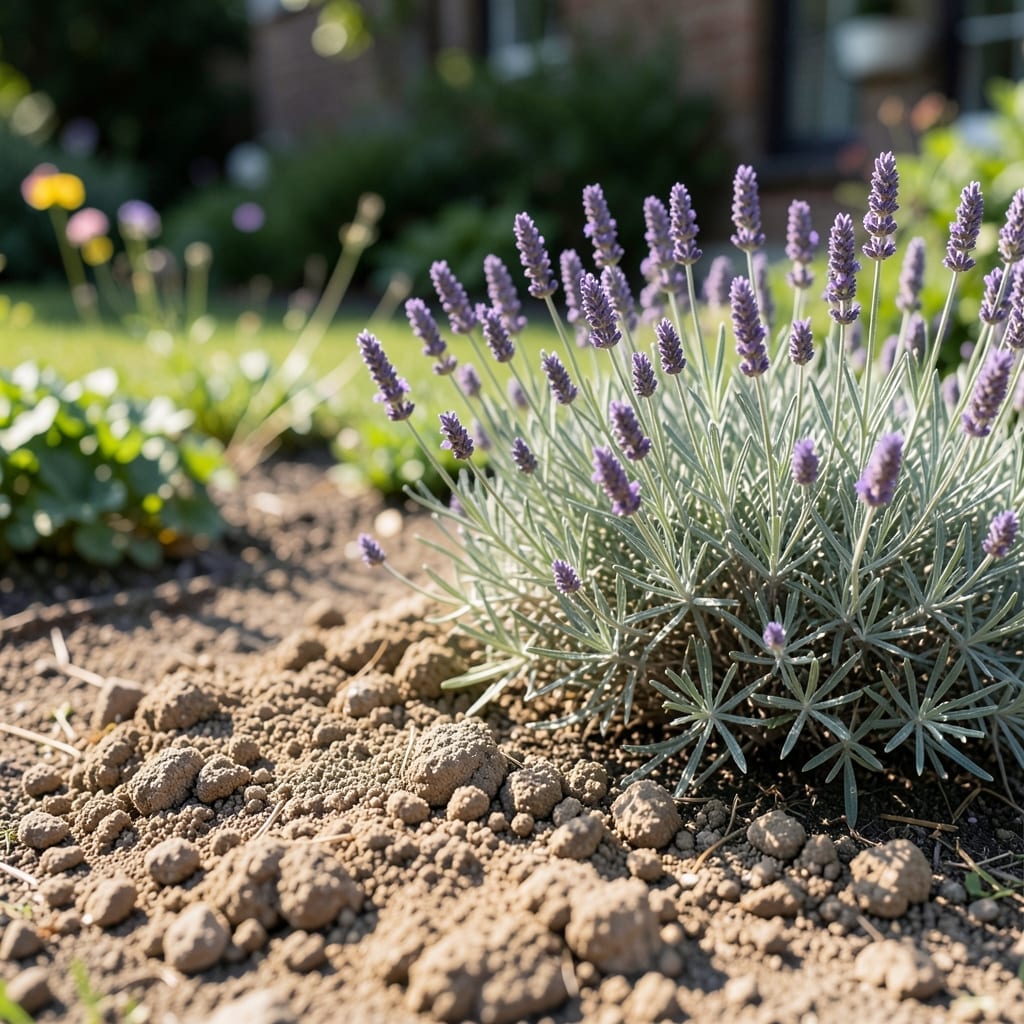
Lavender’s fragrant blooms and silvery foliage can transform your garden, but only if the soil is just right. This Mediterranean native demands specific conditions that many overlook.
The key lies in replication – mimicking its dry, rocky native habitat. Most gardeners fail here by planting in rich, moisture-retentive soil that spells disaster for 🟣 Lavender.
Let me show you exactly what this plant needs to thrive, from perfect drainage to ideal pH levels. Your lavender will thank you with vibrant growth and abundant blooms.
If you want thriving lavender, the soil must mimic its native Mediterranean home. This means excellent drainage is non-negotiable, as soggy roots quickly lead to root rot and plant death.
Lavender prefers sandy or gravelly soil with low organic matter. Rich, fertile soils may seem ideal, but they actually stunt growth and reduce fragrance. Think lean and mean for best results.
| Requirement | Specification |
|---|---|
| Drainage | Very fast-draining |
| Soil pH | 6.5-8.0 (alkaline) |
| Texture | Sandy, loamy, gravelly |
| Fertility | Low to moderate |
| Amendments | Perlite, sand, gravel |
The ideal pH range for lavender is 6.5 to 8.0, slightly alkaline. If your soil is too acidic, lime can help raise the pH to the sweet spot.
Texture matters just as much as chemistry. A mix of 50% native soil, 30% coarse sand, and 20% perlite creates the perfect growing medium. This blend prevents compaction while allowing roots to breathe.
I’ve seen gardeners struggle with clay soil, which holds moisture and suffocates roots. If this is your situation, raised beds filled with a custom mix are your best solution. Containers also work well with a cactus/succulent potting mix.
Remember, lavender hates wet feet. Even in well-draining soil, overwatering can be deadly. Water deeply but infrequently—about once every 2-3 weeks once established. The top inch of soil should dry out completely between waterings.
For existing garden beds, improve drainage by working in 4-6 inches of coarse sand or gravel. Avoid fine sand, as it can create a cement-like texture when mixed with clay. Coarse materials like pumice or crushed stone are better choices.
If you’re planting multiple lavender plants, space them 18-24 inches apart. This spacing allows for good air circulation, which prevents humidity buildup and fungal issues. The silvery foliage will form a beautiful, fragrant ground cover.
Lastly, mulch sparingly—or not at all. Traditional mulches like bark can retain too much moisture. If you must mulch, use gravel or pebbles to maintain that dry, Mediterranean feel while still suppressing weeds.
🌿Before planting lavender, I always recommend testing your soil’s drainage. The percolation test is simple: dig a 12-inch hole, fill it with water, and see how long it takes to drain. If it’s still full after 4 hours, your soil needs help.
For accurate pH testing, use a soil test kit from your local garden center. If your pH is below 6.5, add garden lime to raise it. For pH above 8.0, sulfur can help lower it to the ideal range.
If you’re working with heavy clay soil, I suggest creating raised beds at least 12 inches deep. Fill them with a mix of topsoil, coarse sand, and perlite in equal parts for optimal drainage.
For container planting, choose pots with drainage holes and use a cactus/succulent mix as your base. Add extra perlite for even better drainage. Terracotta pots are ideal as they allow soil to dry out faster.
In existing garden beds, improve drainage by working in 3-4 inches of organic matter like compost, but don’t overdo it. Remember, lavender prefers lean soil, so too much organic matter can be detrimental.
After planting, water deeply once to help roots establish, then back off. Overwatering is the most common mistake I see with lavender. Let the soil dry out completely between waterings to encourage deep root growth. 🌱