
Beautiful Plants For Your Interior
Beautiful Plants For Your Interior
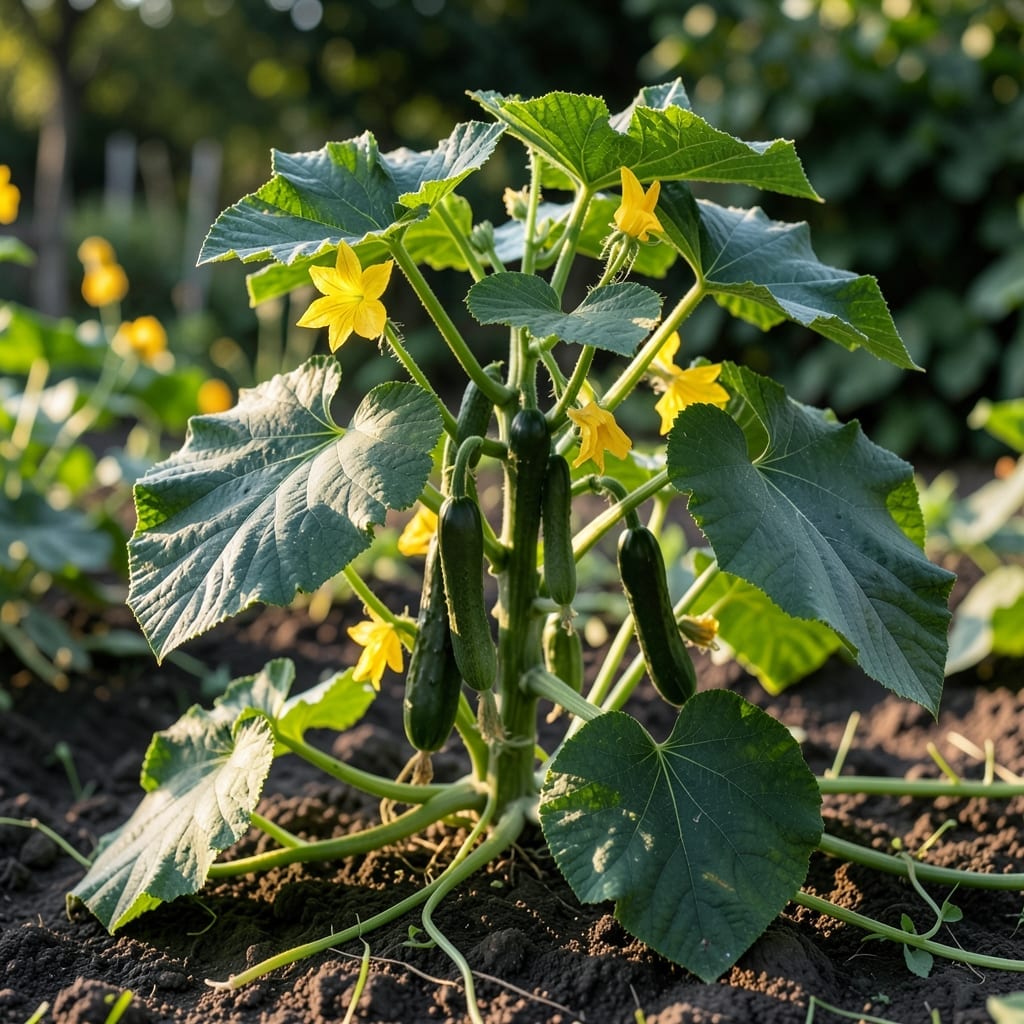
Yellow spots and drooping leaves on your cucumbers aren’t always thirst—they’re often drowning. I’ve saved countless plants by catching the signs early before root rot sets in.
Overwatering suffocates roots, turning leaves pale green or yellow between veins. The soil stays soggy, and plants wilt even when the ground is wet. Most gardeners mistake this for underwatering and make it worse.
Look for soft, mushy stems at the base and leaves that feel limp. The plant might smell slightly sour, a telltale sign of decay. These symptoms show up within 2-3 days of too much water.
Fix it by letting the top 2-3 inches of soil dry out between waterings. Improve drainage with raised beds or containers, and your cucumbers will bounce back faster than you expect.
Overwatering cucumber plants disrupts their natural balance, leading to visible distress. Here’s a breakdown of the most common causes:
Cucumbers thrive in well-draining soil. When water pools around the roots due to compacted soil or lack of drainage holes in containers, the roots suffocate. This is because anaerobic conditions (lack of oxygen) set in, preventing the roots from absorbing nutrients efficiently. As a result, the plant wilts and develops yellowing leaves despite the excess moisture.
Cucumbers need consistent moisture, but too much water washes away essential nutrients like nitrogen and potassium. Additionally, constantly soggy soil encourages root rot, a fungal disease caused by pathogens like Phytophthora or Pythium. These fungi attack the roots, turning them mushy and brown, which directly impacts the plant’s ability to uptake water—ironically causing drooping and yellow spots on the leaves.
Soil type plays a critical role. Clay-heavy soils retain water for prolonged periods, while poorly aerated mixes (e.g., those with too much peat) can hold excessive moisture. Cucumber roots require a balance of air and water in the soil pores. When soil stays waterlogged, the roots drown, leading to stunted growth, leaf discoloration, and a weakened stem structure.
Cool temperatures (below 60°F/15°C) slow down evaporation and water absorption, increasing the risk of overwatering. Similarly, high humidity or frequent rain can saturate the soil beyond the plant’s needs. Cucumbers in such conditions often show edema—small, water-filled blisters on leaves—that later turn into yellow or brown spots.
Overwatered cucumber plants can bounce back with the right care. Here’s how to address the most common issues and prevent future problems.
If your cucumbers are drowning, stop watering immediately and let the soil dry out. Check moisture by sticking your finger 1-2 inches into the soil—if it feels damp, hold off. Resume watering only when the top inch is dry. Use a moisture meter for precision, and water deeply but less frequently (1-2 times per week, depending on heat).
Prevention tip: 💡 Water in the early morning to reduce evaporation and fungal risks. Always use well-draining soil and containers with drainage holes.
Yellow leaves often signal root stress from soggy soil. Gently loosen the top layer of soil to improve aeration, and consider repotting if the roots are waterlogged. Add perlite or sand to the soil mix to boost drainage. Trim severely yellowed leaves to redirect energy to healthy growth.
Prevention tip: 🌱 Raise plant beds or use containers to avoid water pooling. Mulch with straw to retain moisture without oversaturating roots.
White mold or black spots? Remove affected leaves and stems with clean shears, and apply a copper-based fungicide or a DIY mix of 1 tsp baking soda + 1 quart water + a drop of dish soap. Space plants 12-18 inches apart for airflow, and avoid wetting the foliage when watering.
Prevention tip: ✨ Rotate crops yearly to prevent fungal buildup in the soil.
If plants wilt but the soil is damp, root rot may be the culprit. Carefully dig up the plant and inspect the roots—healthy roots are white and firm, while rotten ones are brown and mushy. Trim affected roots and repot in fresh, dry soil. For severe cases, start new plants from seeds.
Prevention tip: 🎯 Use drip irrigation or soaker hoses to deliver water directly to the roots, keeping foliage dry.
Wilting with soggy soil and yellowing leaves signals overwatering. Check the roots—if they’re brown and mushy, it’s root rot. Healthy roots stay white and firm.
Yes! Reduce watering during frequent rain or high humidity. Stick your finger 2-3 inches into soil—if it’s damp, skip watering. Always prioritize drainage.
Most recover if you act fast. Stop watering, improve drainage, and trim damaged leaves. Severe root rot may require repotting in fresh soil.
Use a well-draining mix with perlite or sand to aerate roots. Avoid heavy clay soils that hold moisture too long.