
Beautiful Plants For Your Interior
Beautiful Plants For Your Interior
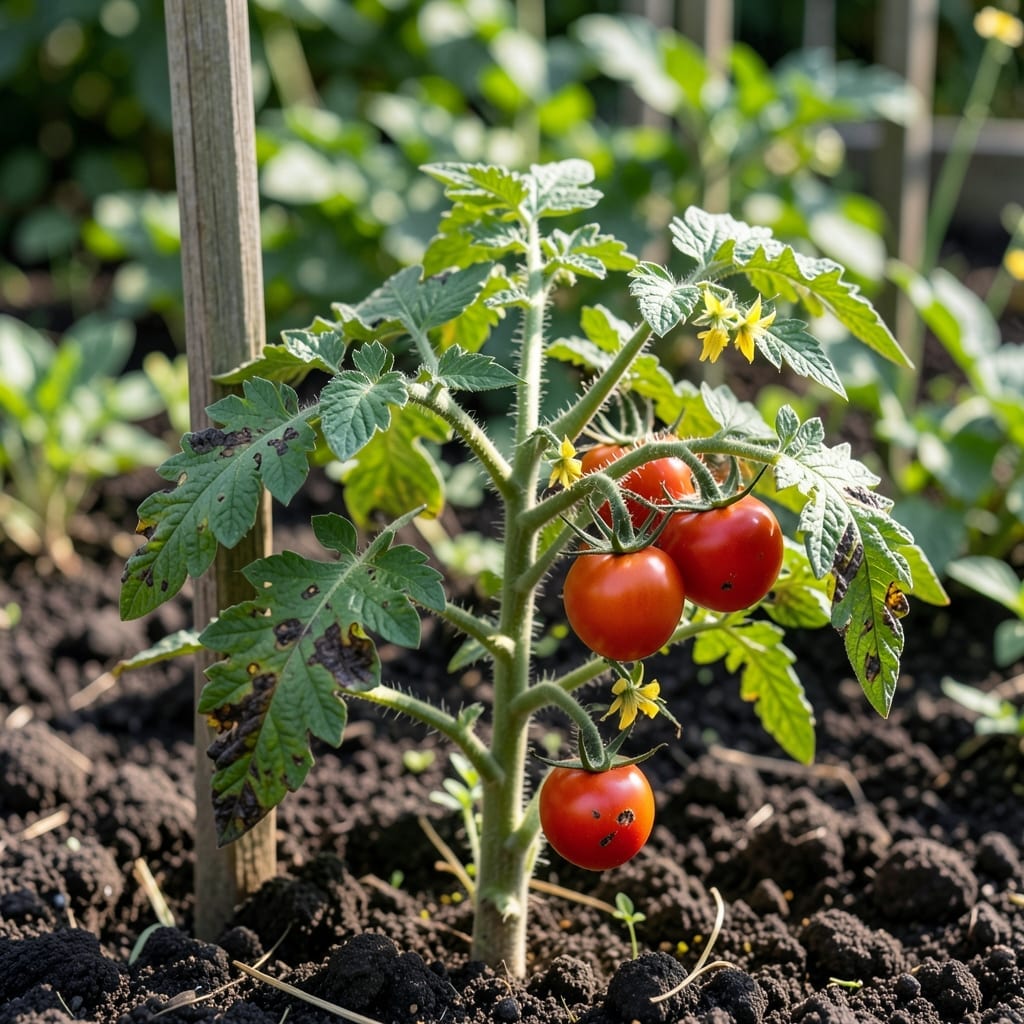
Last summer, I lost half my tomato crop to those dreaded black spots. 🌱 Turns out, most cases come down to just a few culprits—usually fungal diseases like early blight or environmental stress from inconsistent watering.
I started tracking the pattern: spots appeared after heavy rain or when leaves stayed wet too long. The fix? Better air circulation, drip irrigation, and removing affected leaves immediately to stop the spread.
Prevention is simpler than you think. Copper fungicide works wonders, but so does proper spacing between plants. I went from frustrated to spot-free harvests in one season.
Works for heirlooms, cherries, and beefsteaks alike. Here’s how to save your crop.
Black spots on tomatoes are a common frustration for gardeners, but they’re not all the same. Here’s a breakdown of the most likely causes, each with a clear scientific explanation to help you diagnose and fix the issue.
Fungi like Alternaria solani (early blight) or Phytophthora infestans (late blight) thrive in wet, humid conditions. These pathogens produce spores that land on tomato leaves or fruit, germinate, and create dark, sunken lesions. Early blight starts as small, circular spots with concentric rings, while late blight causes greasy, irregular black patches. Poor air circulation and overhead watering accelerate fungal spread.
This physiological disorder isn’t caused by a pathogen but by a calcium deficiency in developing fruit. When soil moisture fluctuates—too dry, then too wet—tomato plants struggle to absorb calcium, leading to cell death at the blossom end. The result? Leathery, black or brown spots that expand and rot. It’s especially common in fast-growing varieties or sandy soils low in calcium.
Insects like stink bugs or tomato fruitworms pierce the fruit’s skin to feed, creating entry points for bacteria and fungi. Their feeding causes small, dark spots that may later enlarge or develop secondary infections. Look for tiny puncture marks or distorted growth near the blackened areas.
Bacteria such as Pseudomonas syringae (bacterial speck) or Xanthomonas vesicatoria (bacterial spot) enter through wounds or stomata (leaf pores). They multiply in warm, wet weather, producing small, water-soaked spots that turn black and may ooze in humid conditions. These spots often have a yellow halo and can merge into larger dead patches.
Black spots on tomatoes can be frustrating, but most causes are fixable with the right approach. Below are targeted solutions for each common issue, along with prevention tips to keep your plants healthy.
For early blight or late blight, remove infected leaves immediately and apply a copper-based fungicide. Spray weekly during damp weather. Prevention: Space plants for airflow, water at the base (not leaves), and rotate crops yearly.
If pests like aphids or stink bugs are causing spots, spray with neem oil or insecticidal soap. For severe infestations, use pyrethrin-based sprays. Prevention: Inspect plants regularly, encourage beneficial insects (like ladybugs), and use row covers.
Black spots from calcium or magnesium lack? Add crushed eggshells or Epsom salt to soil. For potassium deficiency, use a balanced fertilizer. Prevention: Test soil before planting and amend as needed.
Protect fruits from intense sun with shade cloth (30-50% opacity). Prevention: Plant in areas with dappled sunlight or use mulch to reflect heat.
Keep soil moisture consistent—avoid droughts or waterlogging. Mulch helps retain moisture. Prevention: Water deeply 1-2 times weekly, not daily in small amounts.
💡 Pro Tip: Always sterilize pruning tools between cuts to avoid spreading diseases!
Yes! Overwatering creates damp conditions perfect for fungal growth. Stick to 1-2 deep waterings per week and always water at the base, not the leaves.
Minor spots won’t stop ripening, but severe cases can rot the fruit. Remove badly affected tomatoes to prevent spreading. Small spots can often be trimmed off after harvest.
Look for disease-resistant varieties like ‘Mountain Merit’ or ‘Defiant’. These handle fungal issues better than heirlooms.
Fungal spots often have rings or fuzzy edges, while bacterial spots are water-soaked with yellow halos. A magnifying glass helps spot these differences.