
Beautiful Plants For Your Interior
Beautiful Plants For Your Interior
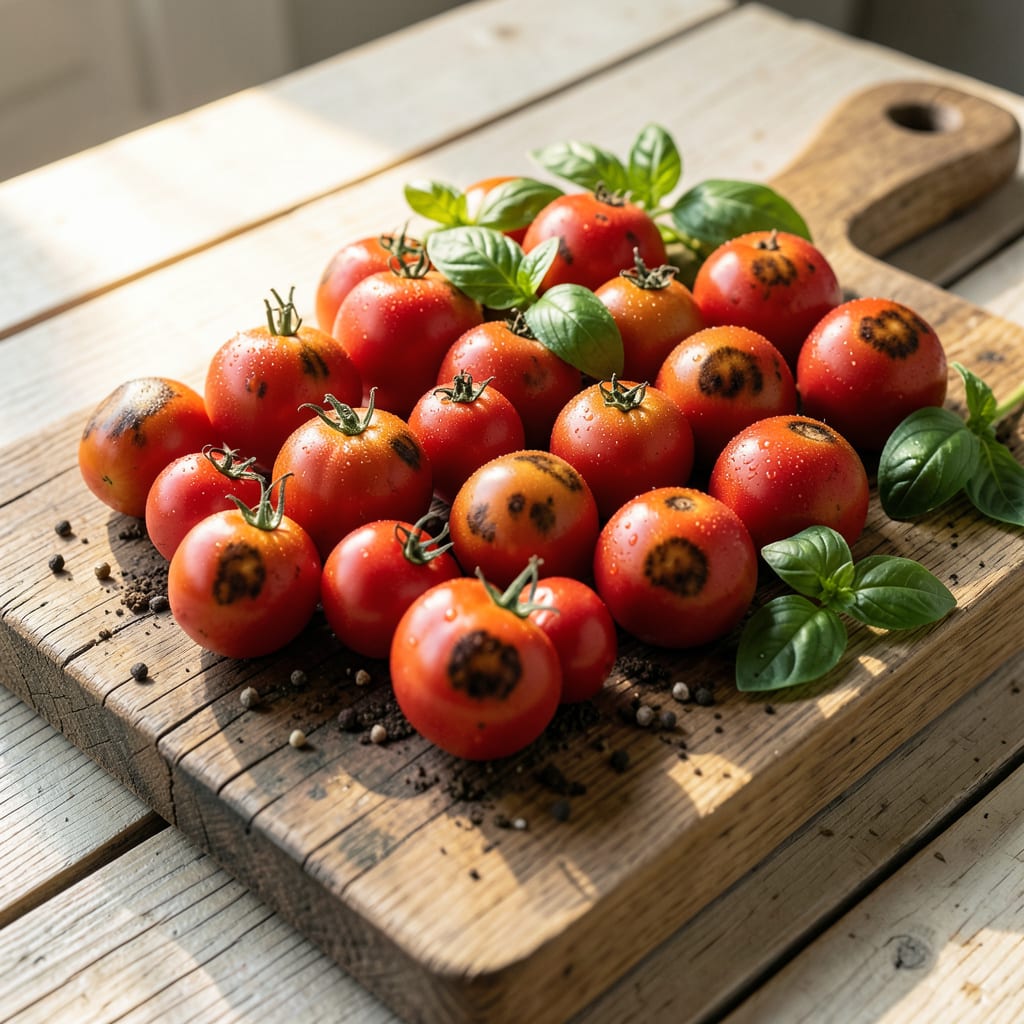
I lost half my tomato crop to those brown bottom spots last summer. This year, I’m sharing what I learned about stopping it before it starts.
Those ugly patches aren’t disease—they’re your plant screaming for calcium. Happens fast when soil moisture swings wildly or roots can’t absorb what they need.
Fix it with consistent watering and a calcium boost. I use crushed eggshells in the planting hole and a foliar spray at first sign of trouble. Works every time.
Prevention is simpler than you think: test your soil, keep water steady, and mulch to lock in moisture. No more ruined harvests.
Brown spots on the bottom of tomatoes, known as blossom end rot, stem from several key environmental and cultural factors. Here’s why it happens:
The most common cause is a calcium imbalance in the plant. Calcium is vital for cell wall development, and when tomato fruits lack it, the tissue at the blossom end (opposite the stem) breaks down, creating sunken, leathery brown spots. This isn’t always due to low soil calcium—uneven watering or rapid growth can disrupt calcium uptake, even if the soil is rich in it.
Fluctuations in soil moisture stress the plant, hindering its ability to absorb calcium. Drought followed by overwatering is a prime trigger. Tomatoes need consistent, deep watering (about 1–2 inches per week) to maintain steady nutrient flow to developing fruits.
Heatwaves or cold snaps can slow calcium transport within the plant. High temperatures increase transpiration, causing water (and dissolved calcium) to evaporate before reaching the fruit. Similarly, cold soil below 50°F (10°C) reduces root activity, limiting calcium absorption.
Tomatoes thrive in slightly acidic soil (pH 6.0–6.8). If the pH is too high (alkaline) or too low (acidic), calcium becomes less soluble, making it unavailable to the roots. A simple soil test can confirm if pH adjustments (e.g., adding lime or sulfur) are needed.
Overusing nitrogen-heavy fertilizers can spur rapid foliage growth at the expense of fruit development. This diverts calcium to leaves, leaving the blossom end vulnerable. Balance fertilizers with a calcium-magnesium ratio (e.g., 10-10-10 with added calcium).
If you notice brown spots on the bottom of your tomatoes, it’s likely blossom end rot. Here’s how to fix each cause and prevent future issues:
Mix 1 tablespoon of calcium nitrate or crushed eggshells into the soil around each plant. For a quick boost, use a calcium-rich foliar spray (like calcium chloride) and apply it directly to the leaves. Water deeply afterward to help absorption.
Prevention tip: 💡 Test your soil before planting. Aim for a pH between 6.0 and 6.8—calcium is less available in acidic or alkaline soils.
Water tomatoes consistently—about 1–2 inches per week—to prevent drought stress. Use drip irrigation or soaker hoses to deliver water directly to the roots and avoid wetting the leaves. Mulch with straw or wood chips to retain moisture.
Prevention tip: ⏰ Water early in the morning to reduce evaporation and fungal risks.
Extreme heat or cold can disrupt calcium uptake. Use shade cloth during heatwaves and row covers for unexpected cold snaps. Potted tomatoes? Move them to a sheltered spot during temperature extremes.
Prevention tip: 🌡️ Keep an eye on weather forecasts and adjust care as needed.
Too much nitrogen or potassium can block calcium absorption. Switch to a balanced fertilizer (like 10-10-10) and avoid overfeeding. If you’ve recently fertilized, flush the soil with water to reduce salt buildup.
Prevention tip: ✨ Follow package instructions for fertilizer amounts—more isn’t always better!
Act fast at the first sign of brown spots, and adjust your care routine to keep your tomato plants healthy and productive.
Yes, you can eat tomatoes with brown spots if you cut off the affected area. The rest of the fruit is safe and tastes normal. Just remove at least 1/2 inch around the spot to be sure.
Brown spots can develop in as little as 24-48 hours during hot, dry periods. Early signs are small water-soaked areas that darken and sink in. Catch it fast to save the rest of your crop.
Only if your soil is too acidic. Lime raises pH but won’t help if your soil already has enough calcium. Always do a soil test first—ideal pH is 6.0-6.8.
Uneven watering or growth spurts cause calcium to be unevenly distributed. Older fruits often show symptoms first, while newer ones may remain unaffected if conditions improve.
