
Beautiful Plants For Your Interior
Beautiful Plants For Your Interior
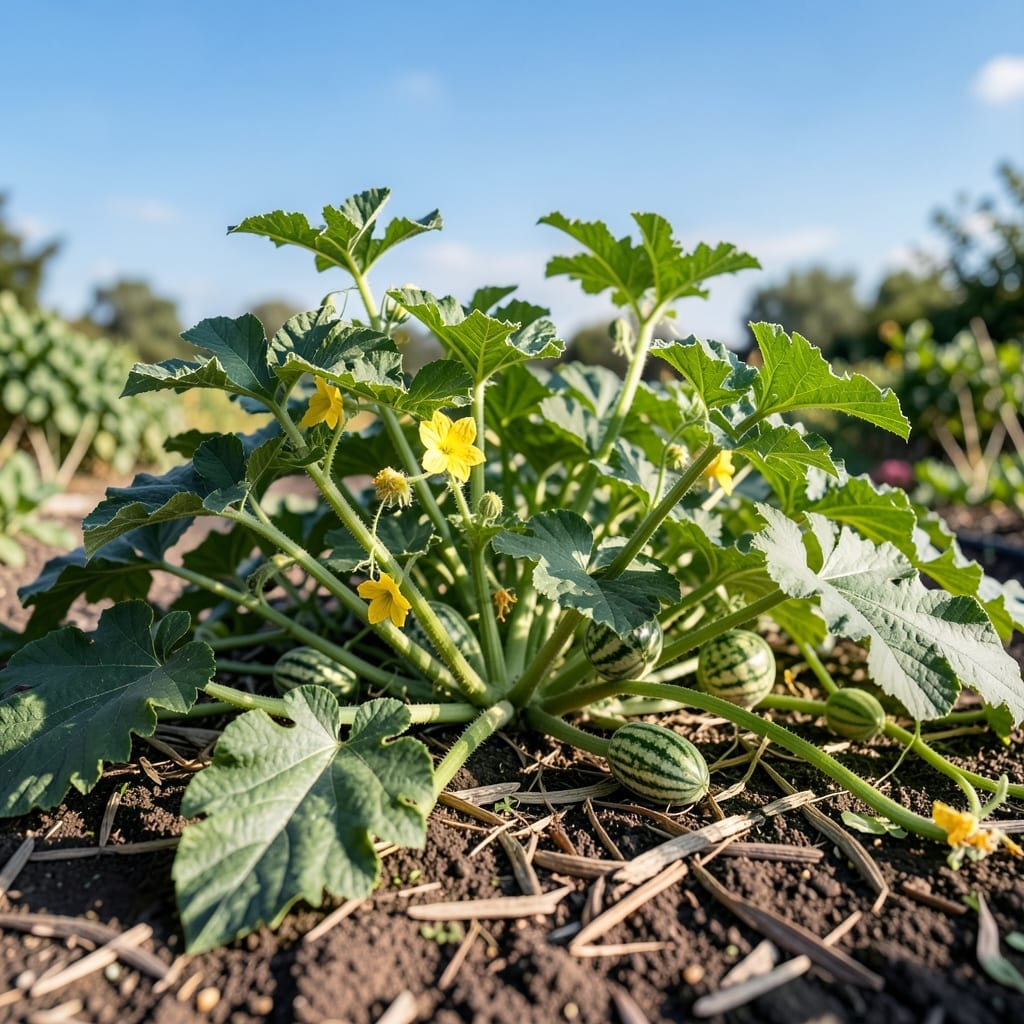
Spotted curled watermelon leaves in your patch? Don’t panic—I’ve been there, watching healthy vines suddenly twist overnight. It’s usually a sign, not a death sentence.
Most cases come down to 3 common culprits: thirsty roots, hungry pests, or environmental stress. The good news? Each has a straightforward fix once you identify which one’s causing trouble.
With the right approach, your plants can recover in a week or two. I’ve nursed curling vines back to full production more times than I can count.
We’ll cover how to diagnose the issue and the simple steps to get those leaves unfurling again.
Understanding why watermelon leaves curl starts with identifying the root causes. Here are the most common triggers, explained in simple, actionable terms:
Extreme heat or cold can stress watermelon plants, leading to leaf curling. Temperatures above 90°F (32°C) or below 50°F (10°C) disrupt cellular function, causing leaves to curl as a protective response. Drought conditions or inconsistent watering can also trigger this reaction, as the plant conserves moisture.
Both overwatering and underwatering can cause leaves to curl. Overwatering suffocates roots, reducing their ability to absorb nutrients, while underwatering forces the plant to prioritize survival over growth. Aim for 1–2 inches of water per week, adjusting for soil drainage.
Sap-sucking pests like aphids, whiteflies, or spider mites drain plant fluids, weakening leaves and causing them to curl. Check the undersides of leaves for tiny insects or sticky residue (honeydew). Neem oil or insecticidal soap can help control infestations.
Pathogens such as powdery mildew or bacterial leaf spot can distort leaf growth, leading to curling. These diseases thrive in humid, poorly ventilated conditions. Remove infected leaves and improve air circulation to prevent spread.
A lack of nitrogen, potassium, or magnesium can manifest as curled leaves. Yellowing often accompanies nitrogen deficiency, while interveinal chlorosis (yellowing between veins) suggests magnesium deficiency. A balanced fertilizer can correct these issues.
When your watermelon leaves start curling, quick action can save your crop. Below are targeted fixes for the most common causes, along with prevention tips to keep your vines thriving.
Fix: Water deeply at the base of the plant early in the morning to allow absorption before heat peaks. Aim for 1–2 inches of water per week, adjusting for extreme heat. Mulch with straw to retain moisture.
Prevent: Use drip irrigation to keep foliage dry and avoid water waste. Shade cloth can protect plants during heatwaves. 🌡️
Fix: Let the soil dry slightly between waterings. If roots are soggy, improve drainage by amending the soil with compost or sand. Trim any blackened, mushy roots and repot if in containers.
Prevent: Plant in raised beds or well-draining soil. Always check the top inch of soil—if it’s wet, hold off on watering. 💧
Fix: Blast pests off leaves with a strong water spray. Apply insecticidal soap or neem oil, focusing on the undersides of leaves where pests hide. Repeat every 5–7 days until gone.
Prevent: Encourage beneficial insects like ladybugs by planting companion flowers (e.g., marigolds). Inspect leaves weekly for early signs. 🐞
Fix: Remove and destroy infected leaves immediately to prevent spread. Apply a copper-based fungicide or baking soda solution (1 tsp baking soda + 1 quart water + a drop of soap) to the remaining foliage.
Prevent: Space plants properly for airflow, and avoid overhead watering. Rotate crops yearly to reduce soil-borne pathogens. ✨
Fix: Test soil to confirm deficiencies. For nitrogen lack, side-dress with compost or a balanced fertilizer. For potassium or magnesium, use a formula rich in those nutrients (e.g., wood ash for potassium).
Prevent: Feed plants with a slow-release fertilizer at planting and mid-season. Healthy soil means healthy leaves! 🌿
Watermelons need 1–2 inches of water per week. Water deeply at the base early in the morning to prevent evaporation. Check soil moisture by sticking your finger an inch deep—if dry, it’s time to water.
Aphids, whiteflies, and spider mites are the usual suspects. They suck sap from leaves, causing them to curl. Check leaf undersides for tiny bugs or sticky residue and treat with neem oil or insecticidal soap.
Yes, temperatures above 90°F (32°C) can stress plants. Use shade cloth during heatwaves and mulch to retain soil moisture. Leaves often recover once temperatures drop.
Test your soil first. For nitrogen, add compost or balanced fertilizer. For potassium or magnesium, use wood ash or Epsom salt. Always follow package instructions to avoid over-fertilizing.