
Beautiful Plants For Your Interior
Beautiful Plants For Your Interior
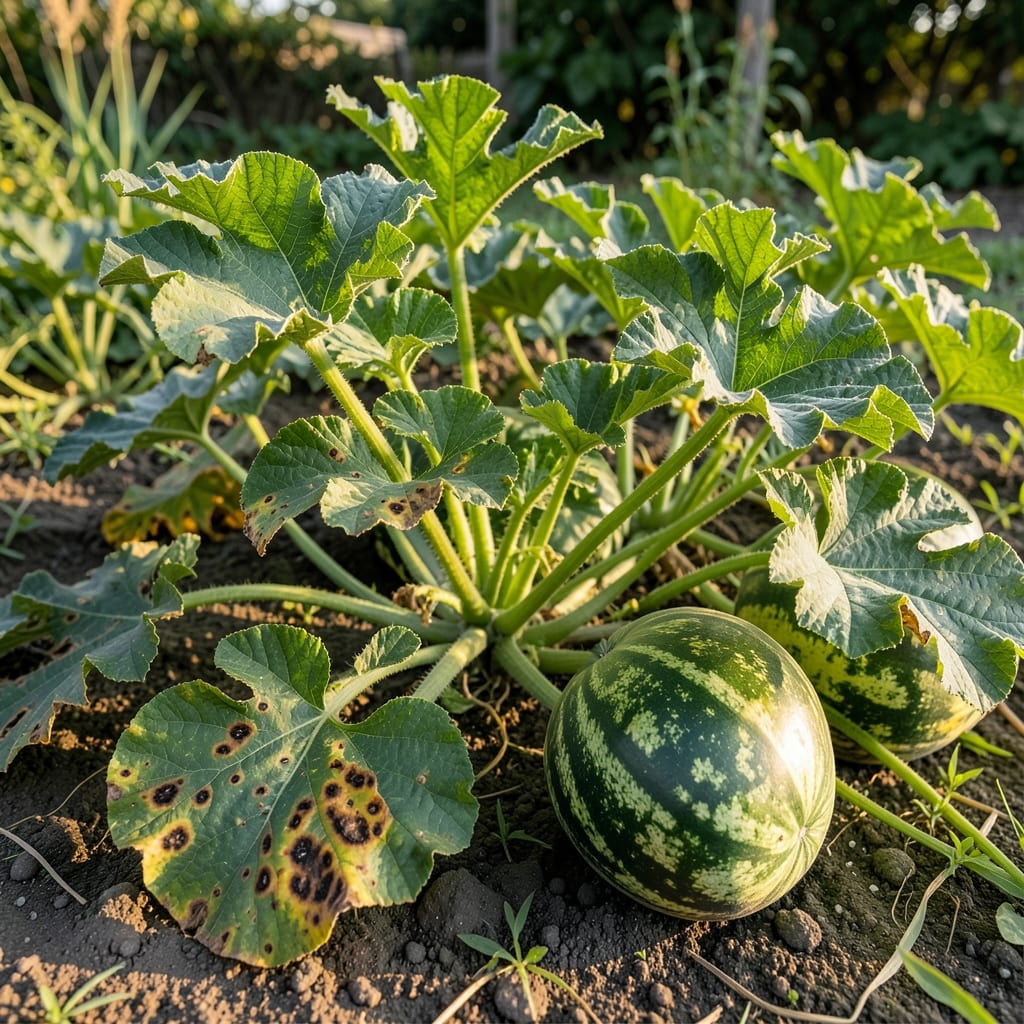
Spotted yellow leaves on your watermelon vines? Don’t panic. I’ve seen these symptoms wipe out entire patches in 48 hours if ignored, but quick action saves most plants.
The key is recognizing the patterns—powdery spots, brown edges, or wilting that spreads fast. Most issues stem from 3 common culprits: fungi, bacteria, or environmental stress. Each leaves a distinct fingerprint.
You’ll learn to diagnose problems at a glance and stop them before they spread. Early treatment means healthier plants and a bigger harvest come summer.
Works for backyard gardeners and small farmers alike. Here’s how to keep your vines thriving.
Understanding why watermelon leaf diseases occur is the first step toward prevention. These issues often stem from a mix of environmental, biological, and cultural factors. Below are the primary causes behind the most common watermelon leaf diseases.
Fungi like Pseudoperonospora cubensis (downy mildew) and Podosphaera xanthii (powdery mildew) thrive in humid, wet conditions. Spores spread via wind or water, infecting leaves when moisture lingers on foliage. Overhead irrigation and poor air circulation exacerbate fungal growth, leading to yellowing, spotting, or a white powdery coating on leaves.
Extreme temperatures, drought, or waterlogged soil weaken watermelon plants, making them more susceptible to disease. Heat stress can cause leaf scorch, while excessive rain or poor drainage creates ideal conditions for Phytophthora and other waterborne pathogens. Inconsistent watering also stresses plants, reducing their natural defenses.
Bacteria such as Pseudomonas syringae and Xanthomonas campestris enter through wounds or stomata (leaf pores), often spread by infected tools, water, or insects. Warm, wet weather accelerates bacterial leaf spot and blight, causing dark lesions, wilting, or leaf dieback. Sanitation and avoiding overhead watering can limit bacterial spread.
Overcrowding plants, failing to rotate crops, or ignoring weed control can invite disease. Dense foliage traps moisture, while weeds harbor pests and pathogens. Additionally, nutrient deficiencies (e.g., low potassium or nitrogen) weaken plants, increasing vulnerability to infections like Alternaria leaf spot.
Tackling watermelon leaf diseases early keeps your vines healthy and productive. Below are targeted solutions for common issues, along with prevention tips to stop them from returning.
Remove infected leaves and thin out dense foliage to boost circulation. Spray a mix of 1 tablespoon baking soda + 1 teaspoon dish soap + 1 gallon water weekly. Prevention: Space plants 3–4 feet apart and water at the base to keep leaves dry.
Apply copper-based fungicide at the first sign of yellowish patches. Remove severely affected leaves to slow the spread. Prevention: Avoid overhead watering and rotate crops yearly to disrupt the fungus lifecycle.
Prune infected leaves and destroy them (don’t compost). Apply neem oil or a biofungicide every 7–10 days. Prevention: Clean garden tools with rubbing alcohol and use drip irrigation.
💡 Pro Tip: Resistant varieties like ‘Crimson Sweet’ or ‘Sugar Baby’ reduce risk naturally.
Blast pests off with water or spray insecticidal soap. Introduce beneficial insects like ladybugs for long-term control. Prevention: Plant companion herbs (e.g., basil) to repel pests.
Look for white powdery spots, yellow patches, or brown lesions on leaves. Fungal issues often appear after rainy weather or poor air circulation.
Space plants 3-4 feet apart, water at the base, and rotate crops yearly. Remove weeds and avoid overhead watering to reduce moisture on leaves.
Yes! A mix of 1 tablespoon baking soda + 1 teaspoon dish soap + 1 gallon water works well for powdery mildew. Apply weekly for best results.
Prune infected leaves immediately at first sight to prevent spread. Destroy them (don’t compost) to avoid reinfection.