
Beautiful Plants For Your Interior
Beautiful Plants For Your Interior
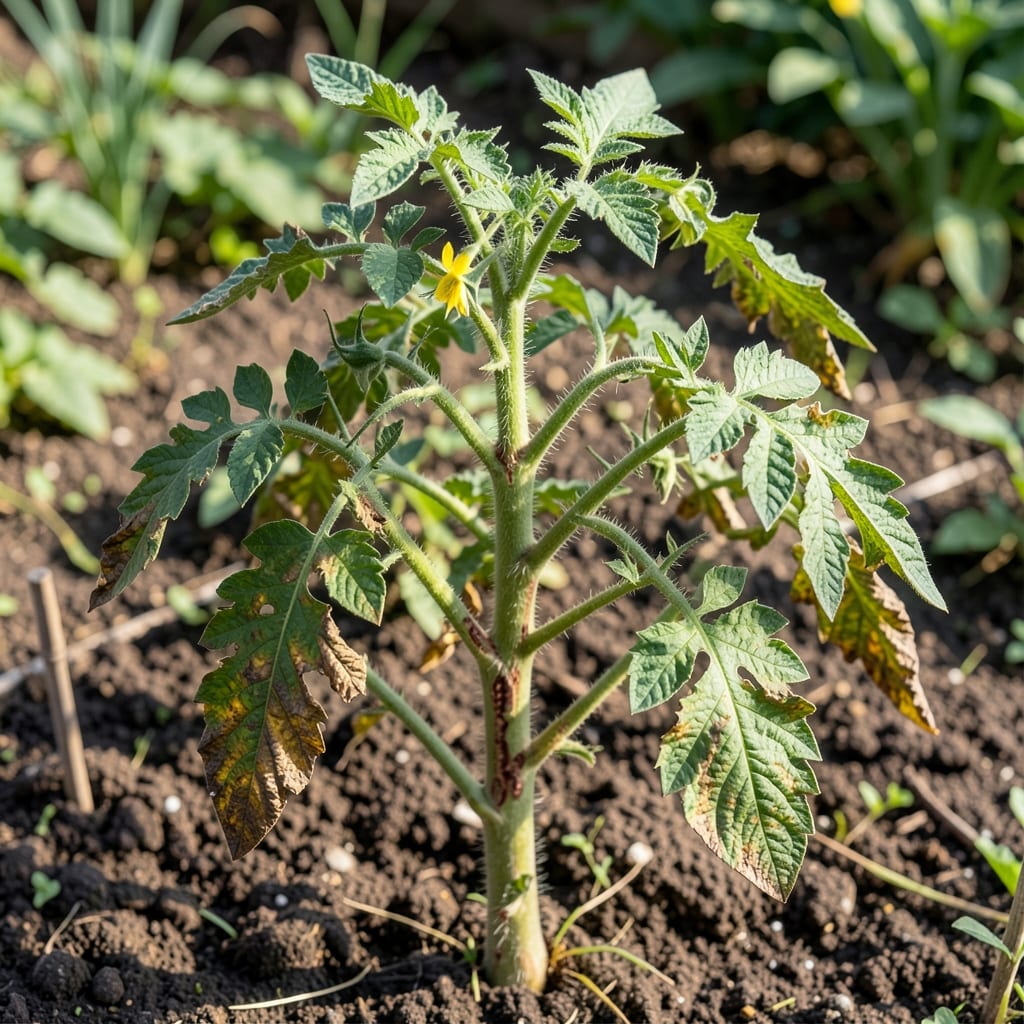
Nothing breaks a gardener’s heart like watching healthy tomato plants wilt overnight. Verticillium wilt strikes without warning, turning vibrant vines into sad, yellowing stalks within days.
I’ve lost entire crops to this soil-borne fungus before learning its telltale signs: V-shaped yellow spots on lower leaves, sudden wilting in hot weather, and brown streaks inside stems. The disease survives in soil for years, waiting for susceptible hosts.
Prevention beats treatment every time. Crop rotation, resistant varieties, and compost tea applications create a foolproof defense. These methods disrupt the fungus’s life cycle before it reaches your plants.
Organic treatments slow its spread but can’t cure infected plants. Remove and destroy affected specimens immediately to protect the rest of your garden.
Verticillium wilt in tomatoes is a destructive fungal disease caused by soilborne pathogens. The primary culprits are Verticillium dahliae and Verticillium albo-atrum, which thrive in temperate climates and persist in soil for years. Below are the key causes behind this issue:
The fungus survives in soil as microscopic structures called microsclerotia, which can remain dormant for decades. Infected plant debris, such as roots or stems from previous crops (e.g., potatoes, eggplants, or peppers), also harbors the pathogen. When susceptible plants like tomatoes are grown in contaminated soil, the fungus invades through the roots.
Excess moisture creates ideal conditions for Verticillium spores to germinate and spread. Overwatered or poorly drained soils limit root oxygen uptake, stressing the plant and making it more vulnerable to infection. The fungus enters through wounds or natural root openings, then clogs the plant’s vascular system, disrupting water and nutrient transport.
Verticillium thrives in cooler temperatures (60–75°F). Heat stress, drought, or sudden temperature fluctuations can weaken tomato plants, reducing their ability to resist fungal invasion. Stress also triggers the release of root exudates that attract the pathogen, accelerating infection.
Planting tomatoes or other solanaceous crops in the same soil year after year allows Verticillium populations to build up. Without a 3–4 year rotation with non-host plants (e.g., corn, beans, or grasses), the fungus continues to proliferate, increasing the risk of wilt in subsequent seasons.
Garden tools, stakes, or even transplanted seedlings can carry the fungus from infected areas to healthy soil. Pruning shears or cultivation equipment used on diseased plants may spread microsclerotia if not properly sterilized between uses.
Verticillium wilt can feel like a garden nightmare, but with the right steps, you can manage it and even prevent future outbreaks. Below are practical solutions tailored to each cause, along with prevention tips to keep your tomatoes thriving. 🌱
If the soil is the culprit, rotate crops immediately. Avoid planting tomatoes, potatoes, eggplants, or peppers in the same spot for at least 3-4 years. Replace them with resistant plants like corn, beans, or carrots. For faster results, try soil solarization: cover the affected area with clear plastic for 4-6 weeks during hot summer months to kill the fungus.
Verticillium spreads easily through dirty tools. Disinfect pruners, shovels, and stakes with a 10% bleach solution (1 part bleach to 9 parts water) or rubbing alcohol after each use. Wash your hands and gloves thoroughly after handling infected plants to avoid spreading spores.
Fungus thrives in soggy soil. Ensure proper drainage by amending heavy clay soil with compost or sand. Water at the base of the plant (not the leaves) in the morning to allow excess moisture to evaporate. Drip irrigation systems are ideal for keeping foliage dry. 💡 Pro tip: Mulch with straw to retain moisture without waterlogging.
Boost your tomatoes’ defenses by choosing resistant varieties (look for “V” on seed packets). Feed plants with balanced organic fertilizer to promote vigor. Avoid high-nitrogen fertilizers, which encourage lush, susceptible foliage. Prune lower leaves to improve airflow and reduce humidity around the plant.
The pathogen can persist for 8-10 years as dormant microsclerotia. This is why crop rotation is so critical for long-term management.
Unfortunately, no. Once symptoms appear, the vascular system is compromised. Remove and destroy infected plants immediately to prevent spread.
Look for V-shaped yellow patches on lower leaves between veins, followed by wilting and brown stem streaks. Early detection helps contain the spread.
Yes! Look for seeds labeled with “V” which indicates resistance. Popular resistant varieties include ‘Mountain Merit’ and ‘Jasper’.