
Beautiful Plants For Your Interior
Beautiful Plants For Your Interior
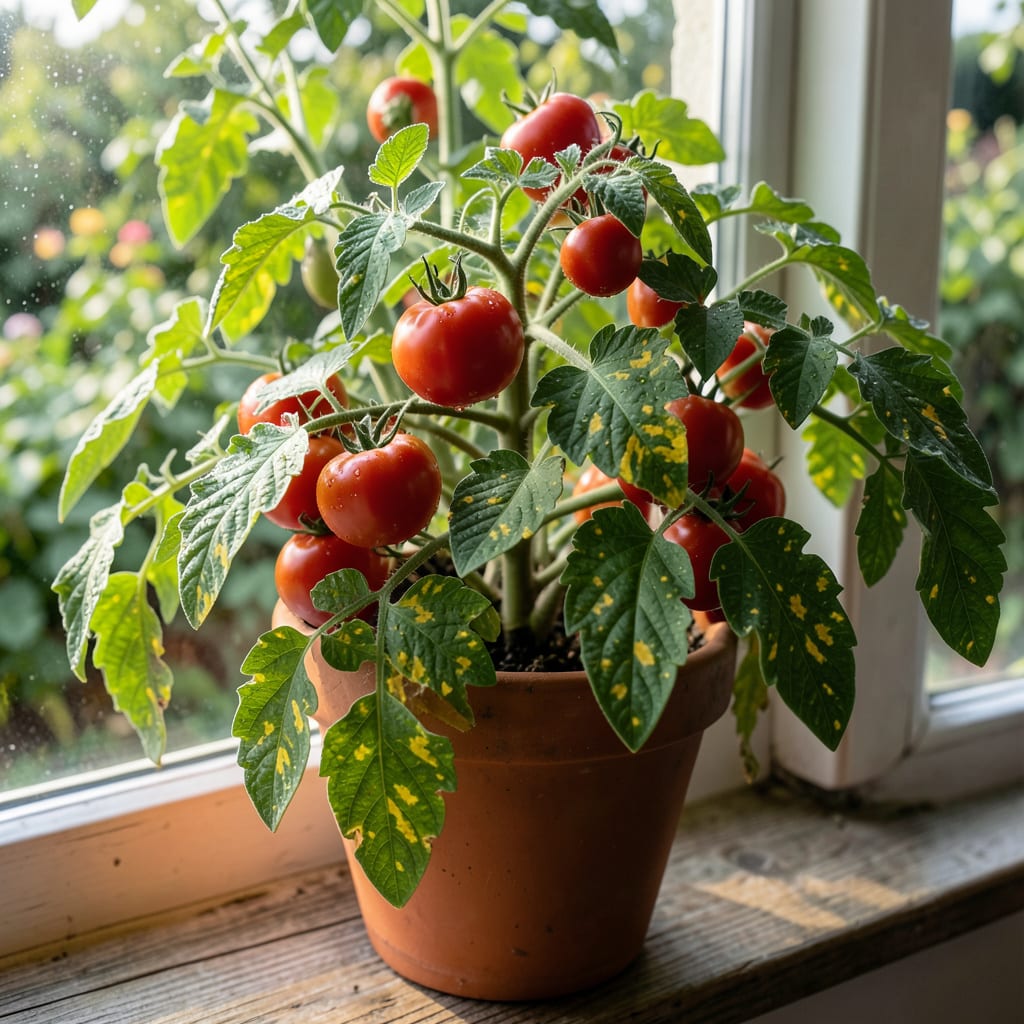
Spotted those alarming yellow patches on your tomato leaves yet? Don’t panic—I’ve been there, staring at my plants wondering if they’re doomed. The good news is most causes are fixable if you catch them early.
From fungal infections to nutrient shortages, the solution starts with playing detective. I’ve saved countless tomato plants by checking soil pH first—most issues reveal themselves when it’s off balance.
You’ll learn to distinguish between disease, deficiency, or pests with simple tests. Adjusting soil pH often solves the problem before it spreads to the rest of your crop.
Works for container gardeners and in-ground growers alike. Let’s get those leaves green again.
Yellow patches on tomato leaves often signal underlying issues that disrupt the plant’s health. Here are the most common causes, explained scientifically:
Nitrogen, magnesium, or iron shortages can trigger chlorosis (yellowing). Nitrogen deficiency starts in older leaves, while magnesium deficiency causes interveinal yellowing (green veins with yellow patches). Iron deficiency, common in alkaline soils, yellows new growth first. Test soil to confirm and amend with organic matter or targeted fertilizers.
Excess water suffocates roots, reducing oxygen uptake and nutrient absorption. This leads to yellowing, often accompanied by wilting. Ensure pots have drainage holes and use well-draining soil. Water only when the top inch of soil is dry.
Pathogens like Alternaria solani (early blight) or Pseudomonas syringae (bacterial speck) cause yellow patches with dark spots or halos. Fungi thrive in wet conditions, so improve airflow, avoid overhead watering, and apply copper-based fungicides preventatively.
Sap-sucking pests (e.g., aphids, whiteflies) damage leaf tissues, leading to yellow stippling or patches. Check leaf undersides for pests or sticky residue (honeydew). Treat with insecticidal soap or neem oil at first signs.
Drift from herbicides (e.g., 2,4-D) or excessive pesticide use can cause irregular yellowing. Avoid spraying near tomatoes, and rinse leaves if exposure occurs.
Tackle yellow patches on your tomato leaves with these targeted solutions, each addressing a common cause. Act fast to restore plant health and prevent further damage.
Fix: Apply a balanced, water-soluble fertilizer (10-10-10 or 20-20-20) to replenish missing nutrients. For magnesium deficiency (yellowing between veins), use Epsom salt (1 tablespoon per gallon of water) as a foliar spray. For nitrogen deficiency (uniform yellowing), add compost or a nitrogen-rich fertilizer.
Prevention: Test soil annually and amend with organic matter. Rotate crops to avoid depleting specific nutrients.
Fix: Reduce watering frequency and ensure pots or garden beds have drainage holes. Let the top 1-2 inches of soil dry out between waterings. If root rot is suspected, trim affected roots and repot in fresh, well-draining soil.
Prevention: Use mulch to retain moisture evenly and water deeply but less often. Avoid wetting the leaves to prevent fungal growth.
Fix: Remove infected leaves immediately and dispose of them away from the garden. Apply a copper-based fungicide or neem oil spray (mix 2 tablespoons neem oil + 1 teaspoon dish soap per gallon of water) every 7-10 days until symptoms subside.
Prevention: Space plants for airflow, avoid overhead watering, and sanitize gardening tools. Choose disease-resistant tomato varieties like ‘Mountain Merit’ or ‘Defiant’.
Fix: Blast aphids or whiteflies off with a strong stream of water. Introduce beneficial insects like ladybugs or use insecticidal soap (1-2 tablespoons per quart of water). For spider mites, apply horticultural oil.
Prevention: Inspect plants weekly for early signs of pests. Companion plant with basil or marigolds to deter insects naturally.
Fix: Test soil pH (ideal range: 6.0–6.8). If too acidic (below 6.0), add lime. If too alkaline (above 7.0), mix in sulfur or peat moss. Recheck pH after 2-3 weeks.
Prevention: Retest soil every 2-3 years and amend as needed. Use pH-balanced fertilizers to maintain stability.
💡 Pro Tip: Always water plants at the base in the morning to reduce disease risk and improve absorption.
Yes, too much water suffocates roots and blocks nutrient uptake. Reduce watering and let the top 1-2 inches of soil dry out first.
Look for dark spots or rings with yellow halos on leaves. Fungi love wet conditions, so improve airflow and avoid overhead watering.
For nutrient deficiencies, apply a balanced fertilizer or Epsom salt spray (1 tbsp/gallon). For pests, use insecticidal soap immediately.
Most plants bounce back in 1-2 weeks if you address the root cause early. Remove severely damaged leaves to help recovery.
