
Beautiful Plants For Your Interior
Beautiful Plants For Your Interior
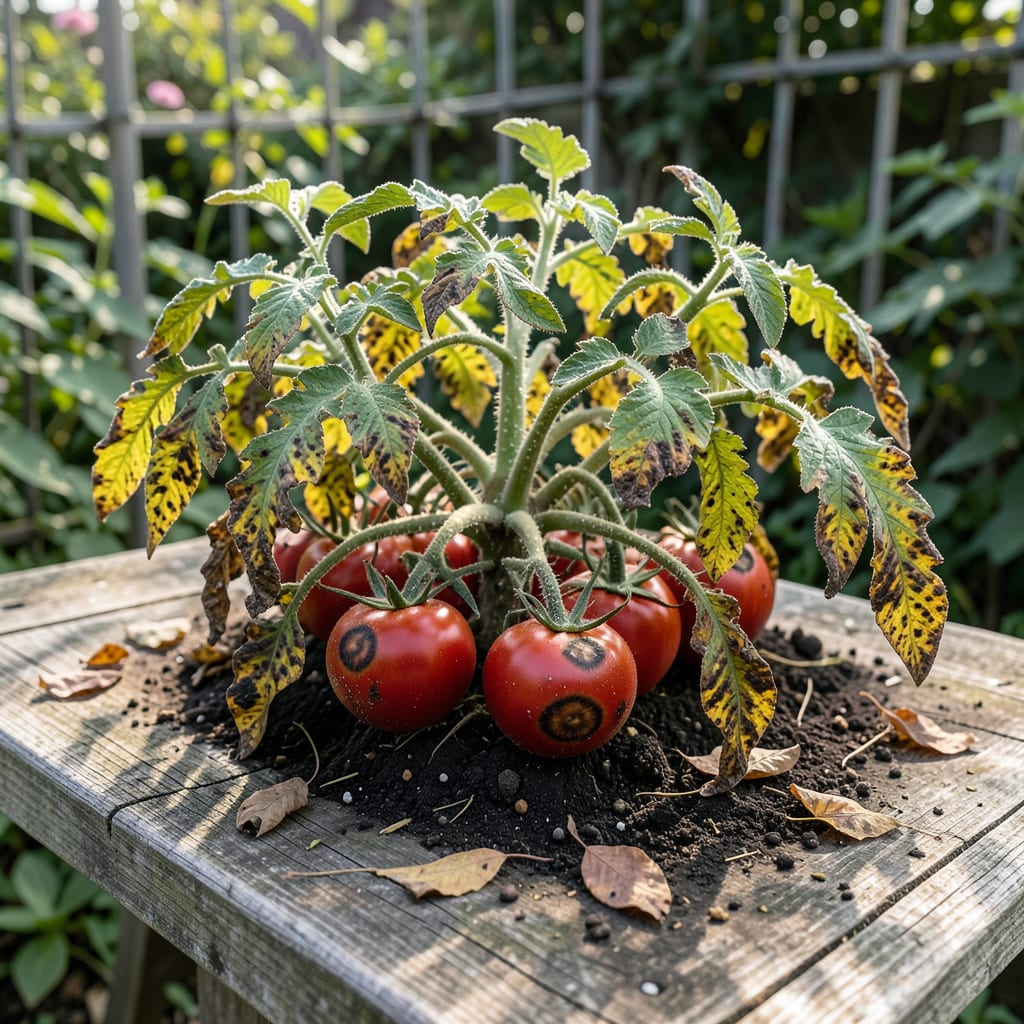
Spotted brown leaves on your tomatoes? Don’t panic—I’ve been there. Early detection is the key to saving your plants from fungal invaders.
Most fungal issues start with subtle signs: yellowing edges, white powder, or tiny dark spots. Catching them before they spread means the difference between a full harvest and a lost season.
I’ve tested organic remedies that actually work—no harsh chemicals, just smart, natural solutions. The best part? Prevention is simpler than you think with the right habits.
From proper watering to crop rotation, small changes now protect next year’s plants too.
Fungal diseases in tomato plants often stem from a mix of environmental conditions and poor cultural practices. Understanding the root causes can help you prevent outbreaks before they start. Below are the most common triggers:
Fungi thrive in wet, humid environments. Overwatering, poor soil drainage, or frequent overhead irrigation create the perfect breeding ground for spores. Phytophthora infestans (late blight) and Alternaria solani (early blight) spread rapidly when foliage stays wet for extended periods. To combat this, water at the base of the plant and ensure soil has good drainage.
Warm days (70–85°F) paired with cool, damp nights (50–60°F) accelerate fungal growth. High humidity (above 80%) further exacerbates the problem, especially in greenhouses or densely planted gardens. Powdery mildew (Oidium neolycopersici) flourishes in these conditions. Improve airflow with proper spacing and pruning to reduce humidity around plants.
Fungal pathogens like Fusarium and Verticillium wilt can linger in soil for years, infecting new plants. Using contaminated seeds, seedlings, or unsterilized gardening tools spreads these diseases. Always start with certified disease-free seeds and sterilize tools with a 10% bleach solution to prevent contamination.
Crowded plants or lack of pruning restrict airflow, trapping moisture and creating microclimates where fungi thrive. Septoria leaf spot (Septoria lycopersici) is a common result. Thin out plants and remove lower leaves to enhance ventilation and reduce disease pressure.
Over-fertilizing with nitrogen creates lush, tender growth that’s more susceptible to fungal attacks. Conversely, potassium and calcium deficiencies weaken plant cell walls, making them easier for fungi to penetrate. Conduct a soil test and adjust fertilization to maintain balanced nutrition.
Combating fungal diseases in tomatoes starts with targeted fixes for each common cause. Here’s your practical guide to restoring plant health and stopping the spread.
Fungus thrives in soggy soil. Switch to drip irrigation to keep foliage dry, and water early in the day so plants dry quickly. Improve drainage by amending soil with compost or sand. Prevention tip: 💡 Use mulch to reduce splashing water, which spreads spores.
Space tomato plants at least 18–24 inches apart to allow air circulation. Prune lower leaves (up to 12 inches from the ground) to reduce humidity. Stake or cage plants to lift foliage off the soil. Prevention tip: 🌡️ Avoid overhead watering to keep leaves dry.
Remove and destroy infected plant debris—do not compost it. Disinfect tools with a 10% bleach solution between uses. Practice crop rotation: avoid planting tomatoes in the same spot for at least 3 years. Prevention tip: ✨ Solarize soil before planting by covering it with clear plastic for 4–6 weeks.
At the first sign of spots or mildew, spray plants with neem oil, copper fungicide, or baking soda solution (1 tbsp baking soda, 1 tsp dish soap, 1 gallon water). Apply every 7–10 days, especially after rain. Prevention tip: 🎯 Use resistant varieties like ‘Mountain Merit’ or ‘Defiant’ for long-term defense.
Look for yellowing leaves with dark spots, white powdery patches, or brown lesions. Early signs include small, circular spots that grow larger over time. Check the undersides of leaves for mold.
If over 50% of the plant is affected, it’s best to remove it to prevent spreading. For mild cases, prune infected leaves and apply organic fungicides immediately. Always sanitize tools after use.
Start with resistant varieties, space plants 18–24 inches apart, and water at the base in the morning. Rotate crops yearly and keep the garden clean of debris.
Yes! A baking soda spray (1 tbsp baking soda, 1 tsp dish soap, 1 gallon water) or neem oil can stop early infections. Apply weekly or after rain for best results.
