
Beautiful Plants For Your Interior
Beautiful Plants For Your Interior
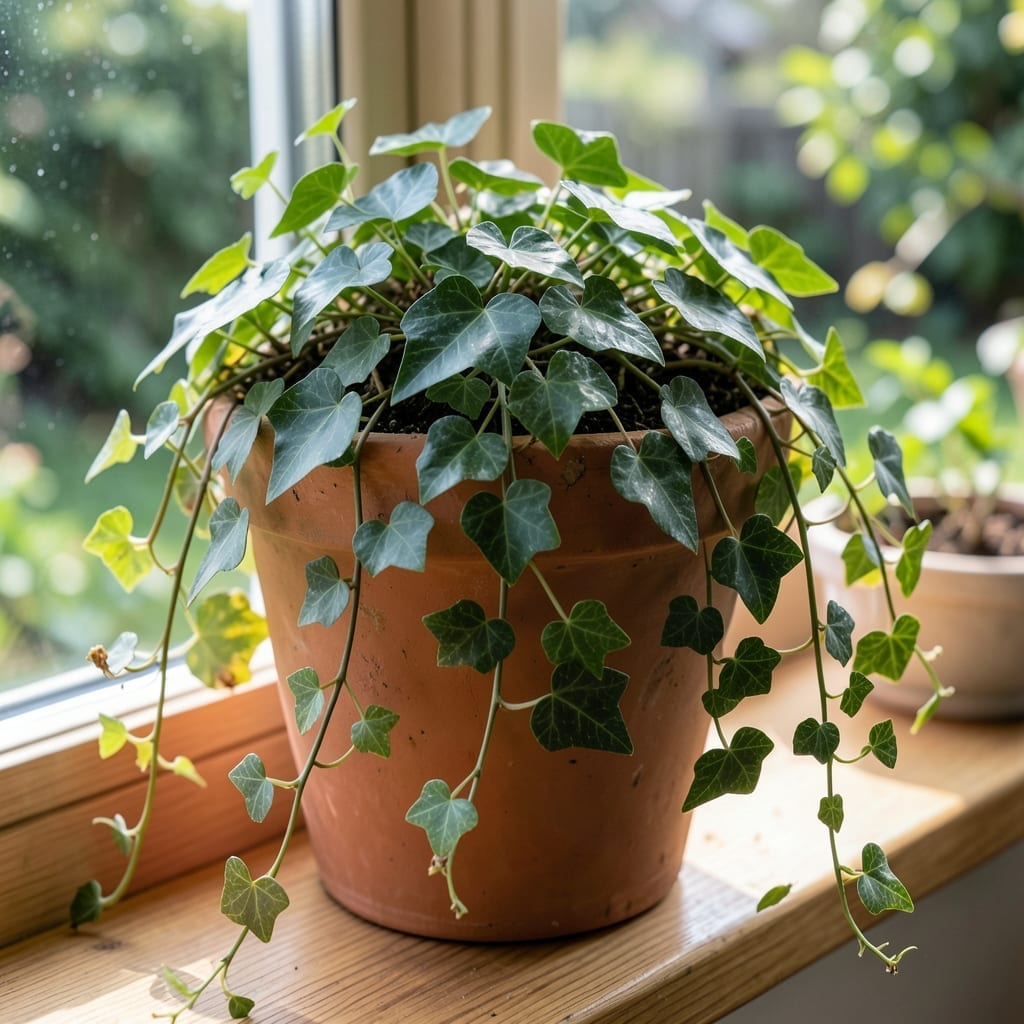
I’ve lost more ivy to watering mistakes than I’d like to admit. Yellow leaves or crispy edges usually mean I’ve gone too far in one direction—either drowning the roots or leaving them parched for weeks.
The signs are actually pretty obvious once you know what to look for. Drooping leaves that bounce back after watering scream underwatering, while mushy stems and black spots are classic overwatering red flags.
Both problems start with the same fix: check the soil 2 inches down. If it’s bone-dry, it’s thirsty. If it smells sour or stays soggy, you’re loving it to death with too much water.
Prevention is simpler than cure. Let the top inch dry between waterings, use pots with drainage, and watch your ivy reward you with vibrant green growth instead of distress signals.
Ivy plants react visibly when their water needs aren’t met. The imbalance—whether too little or too much—stems from environmental and care-related factors. Below are the primary causes, explained with actionable insights.
Erratic watering schedules confuse ivy’s root system. If soil dries out completely between waterings, roots can’t absorb moisture efficiently, leading to underwatering stress. Conversely, frequent but shallow watering encourages weak root growth, making plants more susceptible to overwatering when deeper soil stays soggy.
Ivy thrives in well-draining soil. When planted in heavy or compacted soil, water pools around the roots, suffocating them and preventing oxygen uptake. This is a common cause of overwatered ivy, even if you’re not watering excessively. Similarly, pots without drainage holes trap excess moisture, accelerating root rot.
High temperatures, low humidity, or direct sunlight increase evaporation, pulling moisture from ivy leaves faster than roots can replenish it. This often results in underwatering symptoms like crispy edges or drooping. On the flip side, cool, damp conditions slow evaporation, leaving soil waterlogged and increasing the risk of overwatering.
Well-meaning gardeners often overwater ivy, assuming more is better. Ivy prefers slightly dry conditions between waterings. Overwatering dilutes soil nutrients, reduces oxygen availability, and creates a breeding ground for fungal diseases, all of which manifest as yellowing leaves or mushy stems.
Bringing your ivy back to life starts with pinpointing the problem and adjusting your care routine. Below are targeted fixes for both underwatering and overwatering, along with tips to keep your plant thriving long-term.
If your ivy has crispy, dry leaves or drooping vines, it’s likely thirsty. Start by giving it a deep soak: Place the pot in a basin of room-temperature water for 10–15 minutes, allowing the soil to absorb moisture from the bottom up. Let excess water drain completely afterward. For severe cases, trim off dead or brittle leaves to redirect energy to healthy growth.
Prevention tip 💡: Water when the top 1–2 inches of soil feel dry. Use a moisture meter or your finger to check—ivy prefers slightly moist but not soggy soil.
Yellowing leaves, mushy stems, or a foul odor signal overwatering. Stop watering immediately and let the soil dry out. If the pot lacks drainage, repot the ivy into fresh, well-draining soil and a container with drainage holes. For root rot, gently remove the plant, trim any black or mushy roots with clean scissors, and repot in dry soil.
Prevention tip 🌡️: Always use pots with drainage holes, and empty saucers after watering. Water only when the soil’s top layer is dry, and reduce frequency in cooler months when growth slows.
After addressing the immediate issue, place your ivy in bright, indirect light (direct sun can stress it further). Mist the leaves occasionally to boost humidity, especially in dry indoor environments. Avoid fertilizing until the plant shows new growth—this can take 2–4 weeks.
Pro tip 🎯: Group ivy with other plants to create a humid microclimate, or use a pebble tray with water to maintain moisture levels without overwatering.
Check the soil 2 inches down—if it’s dry and crumbly, it’s time to water. Drooping leaves that perk up after a drink are a classic sign. Crispy edges or dry, papery leaves also indicate thirst.
Yellowing leaves, mushy stems, or a sour smell from the soil are early warnings. If the soil stays soggy for days after watering, you’re likely overdoing it. Always use pots with drainage holes.
Yes, if caught early. Remove the plant, trim black or mushy roots, and repot in fresh, dry soil. Stop watering until the soil dries out completely. Recovery may take 2-4 weeks.