
Beautiful Plants For Your Interior
Beautiful Plants For Your Interior
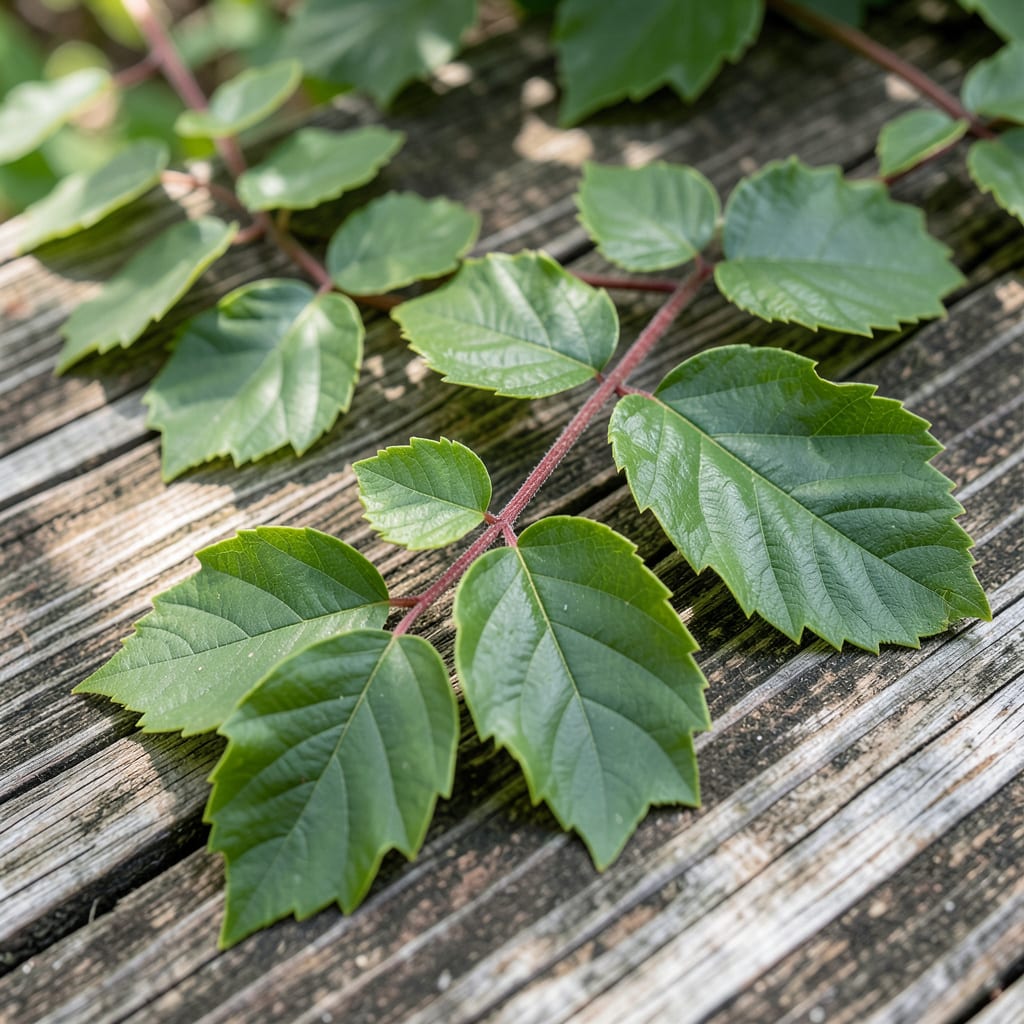
I learned the hard way that poison ivy’s three glossy leaflets can blend right into your garden. The edges might look smooth or slightly toothed, but the middle leaflet always has a longer stem.
It climbs as a vine or spreads low as a shrub, with leaves turning reddish in spring and fall. Spot it early, and you’ll avoid the itchy aftermath—no guesswork needed.
📚 In This Guide
Use this reliable method to recognize poison ivy with confidence before you touch it.
The most distinctive feature is the arrangement of leaves in groups of three, called leaflets. Each leaflet grows on its own small stem, all attached to a single central stem. This “three-leaf” pattern repeats along the entire vine or shrub.
I always check for this first because it’s the most consistent identifier. The middle leaflet typically has a slightly longer stem than the two side leaflets, which can help confirm you’re looking at poison ivy rather than a lookalike like boxelder or Virginia creeper.
Poison ivy leaflets have edges that can be smooth or slightly toothed, but they’re never deeply lobed or jagged. The surface often appears somewhat glossy, especially in younger plants. As the plant matures, the leaves may develop a more matte finish.
The texture is another clue—run your eyes over the surface from a safe distance. You’ll notice the leaves are thin but sturdy, with visible veins that run from the central stem outward. The veins are usually lighter green than the leaf surface itself.
New growth in spring appears as bright red or bronze leaves that gradually turn green as they mature. In summer, the leaves are typically a vibrant green with a slight sheen. Come autumn, they transform into spectacular shades of red, orange, or yellow.
This seasonal color change is one of the most beautiful but dangerous aspects of poison ivy. I’ve seen many gardeners accidentally expose themselves while admiring fall foliage. Always check the leaf arrangement first, regardless of the color.
Poison ivy can grow as a trailing vine along the ground, a climbing vine on trees or fences, or even as a free-standing shrub. The vines are often hairy or fuzzy in appearance, especially when young. In wooded areas, look for it climbing tree trunks—it’s a common sight in forests across North America.
It thrives in both sunny and shady locations but tends to produce more vibrant fall colors in sunnier spots. I find it most often along fence lines, at the edges of wooded areas, or growing up the base of trees. It’s less common in open fields or heavily maintained lawns.
Boxelder has three leaflets like poison ivy, but the leaflets are more uniform in size and the plant grows as a tree, not a vine. Virginia creeper has five leaflets, not three. Boston ivy has three leaflets but they’re deeply lobed and the plant clings to surfaces with adhesive pads.
The old saying “leaves of three, let it be” is a good starting point, but I always recommend taking a photo from a safe distance and comparing it with verified images. When in doubt, don’t touch—many plants have similar leaf arrangements, and it’s better to be cautious.
The details that separate confident identification from dangerous guesswork.
First Check Always: In Step 1, start with the three-leaflet pattern because it’s the most consistent identifier. I’ve made the mistake of focusing on color first and missed poison ivy hiding in plain sight. The middle leaflet’s longer stem is a dead giveaway when you’re comparing with lookalikes.
Seasonal Awareness: Step 3’s color changes can trick you—those beautiful red and orange fall leaves might be poison ivy. Always verify the leaf arrangement before admiring autumn foliage. I learned this the hard way after a close call while gardening.
Safe Observation: For Step 2, examine leaf edges from a distance. The glossy surface on young plants is visible even from several feet away. If you need a closer look, use a zoom lens on your phone rather than getting near enough to touch.
Location Clues: Step 4 mentions fence lines and tree bases as common spots. I find poison ivy thrives particularly well where wooded areas meet maintained spaces. That transition zone is where I’ve spotted it most often.
Look for clusters of three pointed leaflets with smooth or slightly toothed edges. The middle leaflet often has a longer stem. Leaves may be shiny or dull green, turning red in fall.
Wash the affected skin immediately with soap and cool water. Remove and wash contaminated clothing. Avoid scratching, and consider using calamine lotion or hydrocortisone cream for itching.
Poison ivy is most potent in spring and summer when its leaves are green and actively producing urushiol oil. Even in fall or winter, dried leaves or vines can still cause a rash.
Yes! Virginia creeper has five leaflets, and boxelder has three but with a more jagged edge. Always check for the “leaves of three, let it be” rule to stay safe.
