
Beautiful Plants For Your Interior
Beautiful Plants For Your Interior
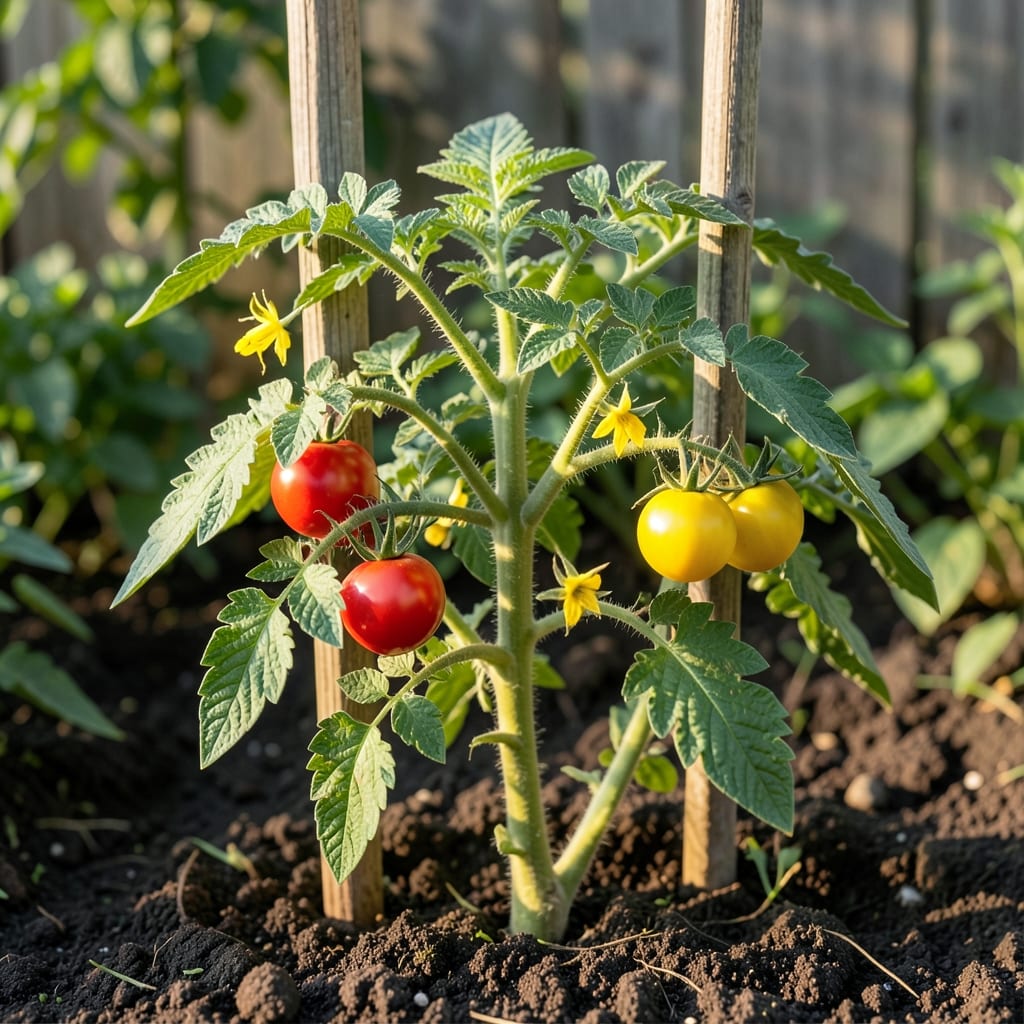
Yellow leaves on your tomato plants always feel like a gut punch. I’ve been there—staring at sad, fading foliage and wondering if the whole season is lost.
Turns out, it’s usually fixable. Overwatering, nutrient gaps, or even too much love in the form of fertilizer often cause this. The good news is your plants are trying to tell you exactly what they need.
With a few simple adjustments to water, soil, or care routine, those leaves can bounce back to vibrant green within weeks. The key is diagnosing the real issue, not just the symptom.
Works for container gardens, raised beds, or in-ground plants. Let’s get to the root of it.
Yellowing tomatoes can be alarming, but the causes are often manageable with the right knowledge. Below are the most common reasons your tomatoes may be losing their vibrant red hue.
Tomatoes require a balanced diet of nitrogen, phosphorus, and potassium to thrive. A nitrogen deficiency often causes uniform yellowing of lower leaves, while a magnesium deficiency leads to yellowing between leaf veins (interveinal chlorosis). Potassium shortages may cause yellow edges on older leaves. Test your soil and amend with organic fertilizers (e.g., compost or bone meal) to restore balance.
Too much or too little water disrupts nutrient uptake. Overwatering suffocates roots, leading to yellowing and wilting, while underwatering causes dry, crispy yellow leaves. Ensure consistent moisture—about 1–2 inches per week—and improve drainage with mulch or raised beds.
Pests like aphids and whiteflies suck sap from leaves, causing yellow spots. Fungal diseases such as early blight or fusarium wilt create concentric yellow rings or patches. Treat infestations with neem oil and remove diseased plants to prevent spread.
Extreme heat (above 90°F) or cold (below 50°F) can halt chlorophyll production, turning leaves yellow. Provide shade cloth for heatwaves and row covers for chilly nights to stabilize conditions.
Lower leaves often yellow as plants mature—a normal part of their lifecycle. Focus on new growth; if it’s healthy, your plant is likely fine.
Don’t panic if your tomatoes are turning yellow—most causes are fixable with a little care. Below are targeted solutions for the most common issues, along with prevention tips to keep your plants thriving.
Prevent it: Test your soil annually and amend with organic matter before planting.
Prevent it: Stick your finger in the soil—if it’s dry 1-2 inches down, it’s time to water.
Prevent it: Plant tomatoes in early summer to avoid peak heat, and choose heat-tolerant varieties like ‘Solar Fire’ or ‘Heatmaster’.
Prevent it: Rotate crops yearly and space plants 18-24 inches apart for airflow.
Not always! Lower leaves naturally yellow as plants mature. If new growth stays green, your plant is healthy.
Overwatered leaves turn yellow and feel soft. Underwatered leaves are dry and crispy. Check soil moisture 1-2 inches down to confirm.
Severely yellow leaves won’t recover, but fixing the issue (nutrients, water, etc.) helps new growth stay vibrant.
For nitrogen, use a 10-10-10 fertilizer. For magnesium, try 1 tablespoon Epsom salt per gallon of water. Results appear in 1-2 weeks.