
Beautiful Plants For Your Interior
Beautiful Plants For Your Interior
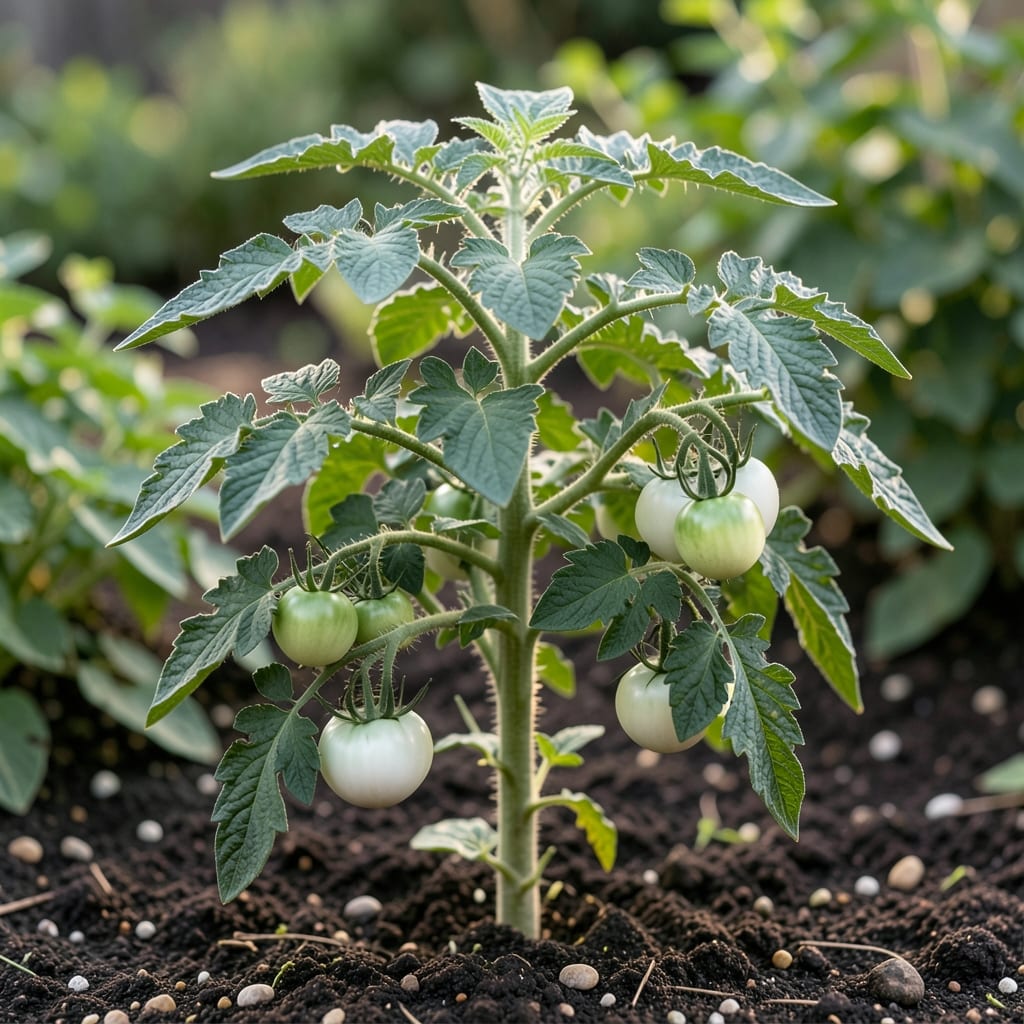
White tomatoes caught me off guard last summer. 🌱 The first sign was pale patches on the top fruits—then entire tomatoes turned ghostly white. I traced it back to two main culprits: too much direct sun or missing nutrients in the soil.
Sun scald hits when intense light bleaches the fruit, while nutrient deficiencies often show as white or yellow streaks. Both are fixable once you know what to look for. My plants bounced back within 2 weeks of adjusting their care.
You’ll spot the difference between these issues with a quick inspection. Sun scald appears on exposed fruit, while nutrient problems affect leaves and stems too. The solutions are simple: shade cloth for sun, fertilizers for deficiencies.
Prevention is easier than treatment. Start with consistent watering and balanced soil, and you’ll avoid most white tomato problems before they begin.
Tomatoes turning white can be alarming, but the issue usually stems from environmental or nutritional factors. Here’s a breakdown of the most common causes and the science behind them:
Prolonged exposure to intense sunlight can lead to sunscald, a condition where the fruit’s outer tissue becomes damaged. This damage disrupts chlorophyll production, causing the affected areas to turn white or yellowish. Sunscald often appears on the side of the tomato facing the sun and is more common in hot, dry climates or during heatwaves.
A lack of essential nutrients can directly impact tomato pigmentation. The most critical deficiencies include:
Too much water can suffocate roots, reducing their ability to absorb nutrients like nitrogen and potassium. This stress can manifest as white or pale patches on the fruit. Similarly, poor drainage leads to root rot, which disrupts the plant’s overall health and pigment production.
Diseases like powdery mildew or early blight can cause white, powdery spots on leaves and fruit. These fungi thrive in humid conditions and can spread rapidly if left untreated, leading to widespread discoloration.
Tomatoes are sensitive to temperature swings. Heat stress (above 90°F/32°C) can inhibit lycopene and beta-carotene production—the pigments responsible for red and orange hues. Conversely, cold snaps can stall ripening, leaving tomatoes pale or white.
If your tomatoes are turning white, don’t panic—there are straightforward fixes for each underlying cause. Below are practical solutions mapped to the most common issues, along with prevention tips to keep your crop vibrant and healthy.
Shield your plants from sunscald by providing afternoon shade. Use shade cloth (30-50% density) or plant taller crops (like corn or sunflowers) nearby to cast natural shade. For potted tomatoes, move them to a spot with dappled sunlight. Prune excess foliage to improve airflow but leave enough leaves to protect the fruit.
Prevention tip: 💡 Mulch with straw or grass clippings to cool the soil and reduce heat stress.
White tomatoes often signal a lack of magnesium or potassium. Fix this by:
Prevention tip: 🌱 Test your soil annually and amend it before planting to avoid deficiencies.
White patches can appear from root rot due to soggy soil. Improve drainage by:
Prevention tip: ✨ Water in the morning so foliage dries quickly, reducing fungal risks.
If white spots are fuzzy or spread rapidly, it might be powdery mildew. Treat with:
Prevention tip: 🎯 Space plants 2-3 feet apart for airflow and avoid overhead watering.
With these targeted fixes, your tomatoes should regain their color and thrive. Act quickly—the sooner you address the issue, the better the outcome!
No, while sun scald is common, nutrient deficiencies and fungal infections can also cause white patches. Check for other symptoms like leaf discoloration to pinpoint the issue.
Yes, too much water can lead to root rot, which disrupts nutrient uptake and may result in pale or white fruit. Ensure good drainage and water 1-2 inches per week.
With the right approach, you may see improvement in 1-2 weeks. Address the root cause—shade for sun scald, fertilizer for deficiencies, or fungicide for mold—to speed up recovery.
If the issue is resolved early, affected fruit can still ripen, though discolored areas may remain. Focus on preventing further damage for the best results.