
Beautiful Plants For Your Interior
Beautiful Plants For Your Interior
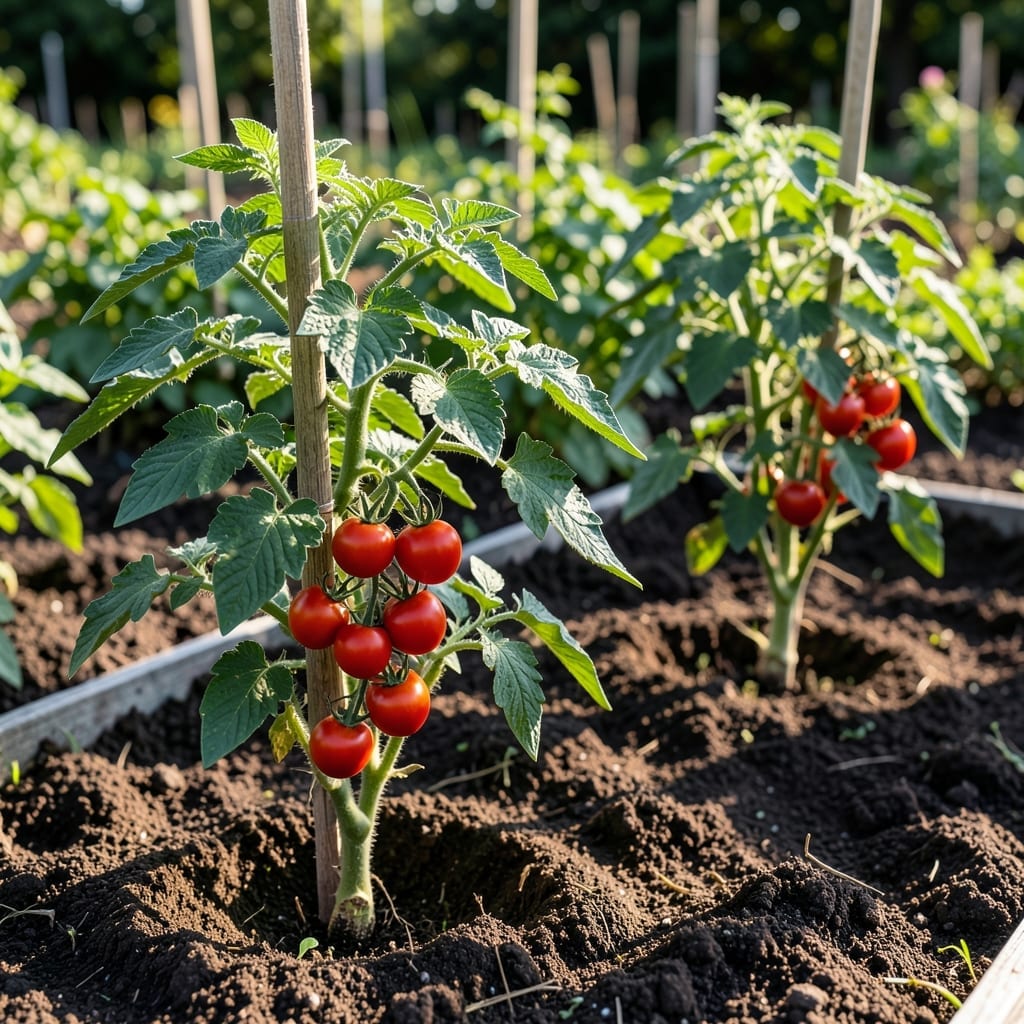
Nothing ruins a tomato season faster than watching perfect fruit turn to mush overnight. I’ve lost entire harvests to rot before learning these rescue techniques.
Most cases come down to 3 fixable issues: calcium deficiency, uneven watering, or fungal spores. The solutions are simpler than you’d think—no chemistry degree required.
With a few adjustments to your soil, watering schedule, and plant care, you’ll see healthy, rot-free tomatoes in as little as 2 weeks. The difference is night and day.
Works for container plants, raised beds, or in-ground gardens. Let’s save this season’s crop before it’s too late.
Understanding the root causes of tomato rot is the first step to prevention. Here’s why your tomatoes might be falling victim to this common issue:
Tomatoes are prone to rot when exposed to prolonged dampness. Overwatering, poor drainage, or heavy rainfall creates a breeding ground for fungal and bacterial pathogens like Phytophthora infestans (late blight) or Alternaria solani (early blight). These microbes thrive in wet conditions, breaking down plant tissues and leading to unsightly, mushy rot.
Crowded plants or dense foliage restrict airflow, trapping moisture around leaves and fruit. This stagnant environment accelerates fungal growth, especially in humid climates. Pruning excess leaves and spacing plants properly can mitigate this risk.
Soil infected with fungi (e.g., Fusarium or Verticillium) or bacteria can directly attack tomato roots and stems. Infected soil often results from crop rotation neglect or contaminated compost. Testing soil health and rotating crops annually helps break the disease cycle.
Fluctuating temperatures stress tomatoes, weakening their defenses. Cool, wet nights followed by warm days create ideal conditions for rot-causing pathogens to spread. Mulching and row covers can stabilize soil temperature and reduce stress.
Over-fertilizing with nitrogen promotes lush foliage but soft, rot-prone fruit. Conversely, calcium deficiency leads to blossom end rot, where the fruit’s base turns black and leathery. Balanced fertilization with calcium-rich amendments (e.g., crushed eggshells) strengthens plant resilience.
Dealing with tomato rot can be frustrating, but these practical solutions will help you stop the spread and save your harvest. Below are targeted fixes for common causes, along with prevention tips to keep your plants healthy.
If you notice brown spots with concentric rings on leaves or fruit, this fungal issue is likely the culprit. Remove infected leaves and fruit immediately and dispose of them in the trash (not compost). Apply a copper-based fungicide or a homemade remedy of 1 tsp baking soda + 1 quart water + a drop of dish soap every 7–10 days.
This appears as a dark, leathery patch on the bottom of tomatoes and is caused by calcium deficiency. Fix it by adding crushed eggshells or a calcium supplement to the soil. For a quick boost, use a foliar spray of calcium chloride (follow package instructions).
Small, water-soaked spots on leaves or fruit signal bacterial infection. Prune affected areas and treat with a copper-based bactericide. Rotate crops yearly to avoid reinfection.
Sunken, circular lesions on ripe fruit? This fungus thrives in warm, wet conditions. Pick affected tomatoes early (even if green) to ripen indoors. Apply a fungicide and remove plant debris from the garden.
With these fixes and a little vigilance, you can stop tomato rot in its tracks and enjoy a bountiful harvest! 🌿
Water deeply 2-3 times per week rather than daily light watering. This encourages strong roots and prevents moisture buildup that fuels rot. Always water at the base, not overhead.
For early cases, remove affected parts and treat with fungicide. Severely rotted tomatoes should be discarded to prevent spreading. Pick green tomatoes early to ripen indoors.
Use crushed eggshells or a calcium nitrate spray for immediate results. Work 1 cup of gypsum per plant into soil for longer-term correction. Consistency matters more than quantity.