
Beautiful Plants For Your Interior
Beautiful Plants For Your Interior
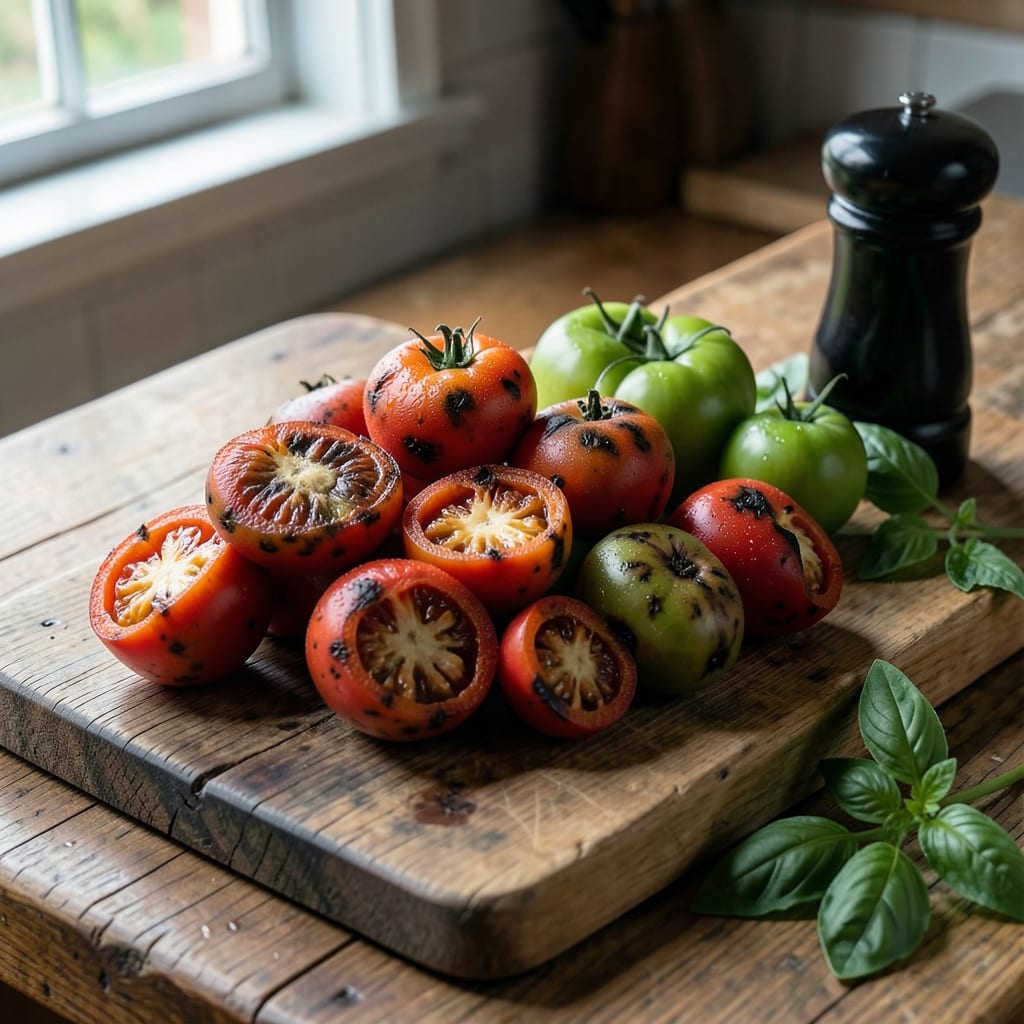
Nothing stings like watching perfect tomatoes turn to mush before they ripen. I’ve lost entire crops to this, and it’s always preventable once you know what to look for.
Most cases come down to inconsistent watering, calcium deficiency, or fungal issues. The good news? Organic fixes work fast if you catch it early. My plants bounced back within 2 weeks after adjusting my routine.
You’ll spot the difference quickly—firm, green fruit instead of sunken, brown ends. The solutions are simple: mulch, balanced watering, and a calcium boost. No chemicals needed.
Works for heirlooms, cherries, and beefsteaks alike. Let’s save this season’s harvest.
Tomatoes that rot before ripening often fall victim to environmental, biological, or cultural stressors. Below are the most common causes, explained with actionable insights to help you diagnose the issue.
Overwatering or heavy rainfall creates a soggy environment that encourages fungal and bacterial growth. Tomatoes are particularly susceptible to Phytophthora infestans (late blight) and Alternaria solani (early blight), which thrive in wet conditions. Poor soil drainage exacerbates the problem by trapping moisture around the roots, leading to root rot and weakened plants that can’t support fruit development.
Pathogens like Botrytis cinerea (gray mold) and Fusarium or Verticillium wilt can invade through wounds or stressed tissue, causing premature fruit decay. These infections often start as small lesions on leaves or stems before spreading to the fruit. High humidity and crowded plant canopies accelerate their spread.
Tomatoes are sensitive to temperature swings. Heat stress (above 90°F/32°C) can cause blossom end rot, where calcium uptake is disrupted, leading to soft, rotting spots. Conversely, cold snaps (below 50°F/10°C) slow metabolism, making fruits vulnerable to secondary infections before they ripen.
A lack of calcium or potassium weakens cell walls, making tomatoes prone to blossom end rot or soft rot. Over-fertilizing with nitrogen, on the other hand, promotes lush foliage at the expense of fruit health, leaving tomatoes undernourished and susceptible to decay.
Insects like stink bugs, hornworms, or fruit flies puncture tomato skins, creating entry points for rot-causing microbes. Even minor wounds from pruning or handling can invite infection if not treated promptly.
Stop tomatoes from spoiling before they ripen with these targeted fixes. Address the root causes early to save your harvest.
Soggy soil invites rot. Fix: Reduce watering frequency and ensure pots or garden beds have drainage holes. Let the top 1-2 inches of soil dry out between waterings. For heavy clay soil, mix in compost or sand to improve drainage.
Prevention tip: 💡 Use drip irrigation to deliver water directly to roots and avoid wetting the foliage or fruit.
Blossom end rot or early blight often causes premature spoilage. Fix: Remove infected tomatoes immediately to prevent spread. Apply a copper-based fungicide or a DIY spray of 1 tsp baking soda + 1 quart water + a few drops of dish soap. Spray every 7-10 days.
Prevention tip: ✨ Rotate crops yearly and avoid planting tomatoes in the same spot to reduce disease buildup.
Too much shade or extreme heat can stress plants, leading to rot. Fix: Relocate potted tomatoes to a sunnier spot (6-8 hours of light daily). Use shade cloth during heatwaves to protect fruit from sunscald. For cool climates, consider row covers to retain warmth.
Prevention tip: 🎯 Plant heat-tolerant varieties like ‘Solar Fire’ or ‘Heatmaster’ if you live in a hot region.
Calcium deficiency often causes blossom end rot. Fix: Add crushed eggshells or a calcium-rich fertilizer to the soil. For a quick boost, spray plants with a calcium chloride solution (follow package instructions).
Prevention tip: 🌡️ Test your soil annually and amend it with organic matter to maintain balanced nutrient levels.
Act fast at the first sign of trouble, and adjust your care routine to keep your tomatoes healthy and ripe!
Yes, uneven moisture is a top cause. Tomatoes need steady watering—let soil dry slightly between sessions, but avoid drought stress. Use mulch to maintain consistent soil moisture.
Look for water-soaked spots at the fruit’s bottom that turn brown and sunken. This typically appears when calcium uptake is disrupted by heat or water stress.
Remove rotting tomatoes immediately to prevent fungal spread. Also prune nearby infected leaves and dispose of them away from your garden.
Yes, with quick action. Adjust watering, add calcium, and improve airflow. Healthy new fruit should develop within 2 weeks if the root cause is fixed.
