
Beautiful Plants For Your Interior
Beautiful Plants For Your Interior
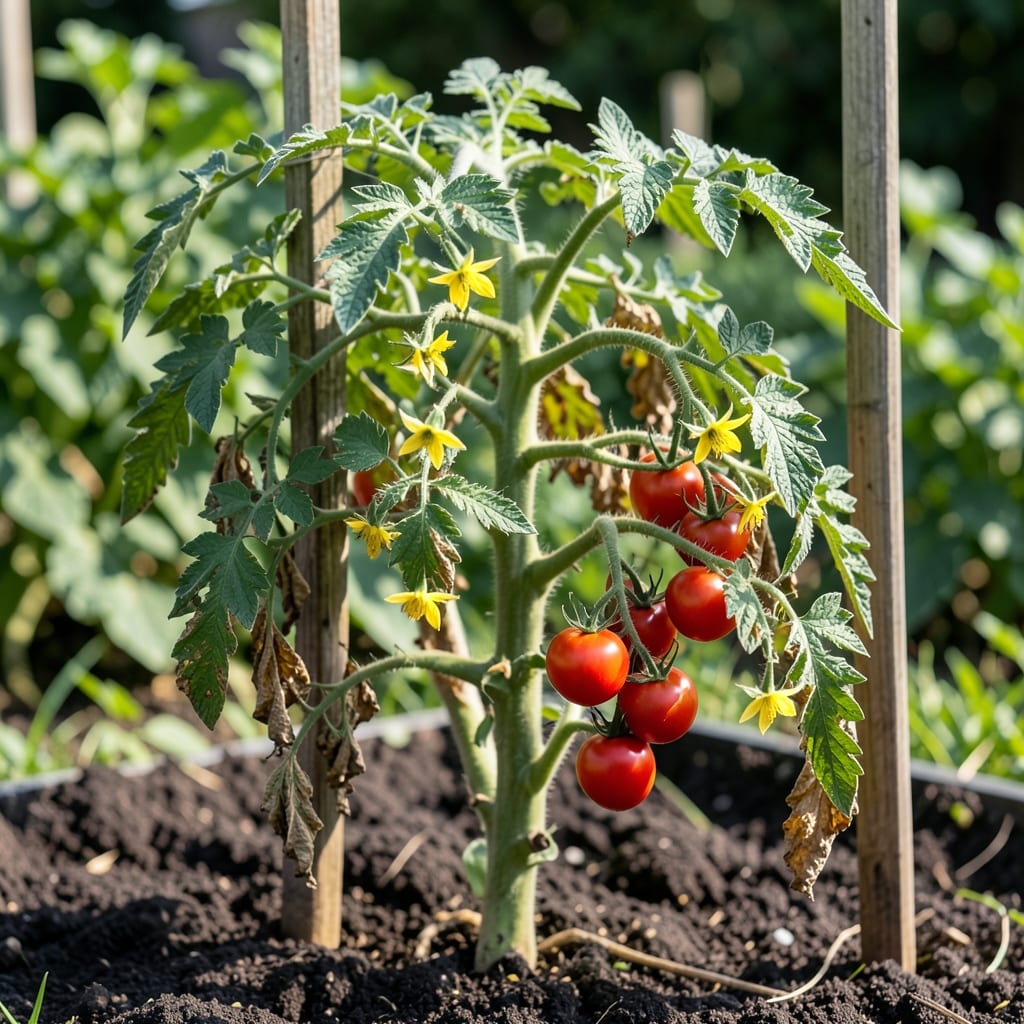
Wilted tomato leaves hit me like a gut punch last season. Between you and me, I lost 3 plants before figuring out the pattern—it’s rarely just one thing causing the droop.
Turns out, underwatering, overwatering, and disease all show up the same way at first. The fix starts with checking soil moisture with your finger (learned that the hard way). Most times, it’s simpler than you think.
We’ve saved countless plants by catching the signs early. 24-48 hours can mean the difference between revival and a compost pile. The key is acting fast with the right diagnosis.
Works for container plants, raised beds, or backyard gardens. Here’s how to spot the real problem.
Understanding why your tomato plant’s leaves wilt is the first step to saving it. Below are the most common causes, explained scientifically yet simply.
Tomatoes thrive in warm conditions, but extreme heat (above 90°F/32°C) can cause leaves to wilt as the plant loses moisture faster than it can absorb it. Similarly, underwatering starves roots of hydration, while overwatering suffocates them, preventing nutrient uptake. Both scenarios disrupt the plant’s turgor pressure, leading to droopy, wilted foliage.
Pathogens like Fusarium and Verticillium fungi invade the plant’s vascular system, blocking water flow. Bacterial wilt (Ralstonia solanacearum) does the same, often accompanied by yellowing and sudden collapse. These infections thrive in wet, poorly drained soil and can persist for years.
Sap-sucking pests such as aphids, whiteflies, and spider mites drain the plant’s fluids, weakening it and causing leaves to curl or wilt. Their feeding also introduces toxins and can spread viral diseases, compounding the stress. Check the undersides of leaves for tiny invaders or sticky residue (honeydew).
Sudden changes—like transplant shock, cold snaps, or strong winds—can stress tomatoes, leading to temporary wilting. Transplants may wilt for 24–48 hours as roots adjust. Cold temperatures below 50°F (10°C) slow water uptake, while wind increases transpiration, dehydrating the plant faster than it can replenish.
A lack of potassium, magnesium, or calcium can manifest as wilting. Potassium deficiency weakens cell walls, reducing the plant’s ability to retain water. Magnesium is central to chlorophyll production, and its absence causes interveinal chlorosis (yellowing between veins) alongside wilting. Test soil pH (ideal: 6.0–6.8) to confirm nutrient availability.
Don’t panic—wilted tomato leaves often have simple fixes. Below are targeted solutions for the most common causes, paired with prevention tips to keep your plants thriving.
If the soil is dry and crumbly, your tomato plant is thirsty. Give it a slow, deep watering at the base (not the leaves) until the top 6 inches of soil are moist. Water in the early morning to reduce evaporation. Prevention: Stick to a consistent schedule—1–2 inches of water per week, more in extreme heat. Mulch with straw to retain moisture.
Soggy soil suffocates roots. Stop watering immediately and check the roots—if they’re brown/mushy, trim the damaged parts. Repot in fresh, well-draining soil and ensure containers have drainage holes. Prevention: Water only when the top inch of soil feels dry. Use a moisture meter for precision.
Aphids, whiteflies, or nematodes? Blast them off with a strong water spray or apply neem oil (diluted per label instructions). For nematodes, plant marigolds nearby as a natural deterrent. Prevention: Inspect leaves weekly and encourage beneficial insects like ladybugs with companion plants (e.g., basil or borage).
Fungal/bacterial wilts (e.g., early blight) need fast action. Remove infected leaves with clean shears and dispose of them far from the garden. Apply a copper fungicide or a baking soda spray (1 tsp baking soda + 1 quart water + a drop of soap). Prevention: Space plants 2–3 feet apart for airflow, and avoid overhead watering.
Wilting on hot afternoons? Provide temporary shade (e.g., a cloth or umbrella) during peak sun (11 AM–3 PM). Boost hydration with a foliar spray of water. Prevention: Plant heat-tolerant varieties like ‘Solar Fire’ or use shade cloth for long-term protection.
💡 Pro Tip: Yellowing and wilting? Test soil pH—tomatoes prefer 6.0–6.8. Adjust with lime (to raise pH) or sulfur (to lower pH) as needed.
Most tomato plants need 1-2 inches of water per week. Check soil moisture by inserting your finger 1 inch deep—if dry, it’s time to water. Always water deeply at the base in the early morning.
Yes, especially if wilting spreads quickly or leaves yellow. Fungal diseases like Fusarium often cause vascular blockages. Remove affected leaves immediately and avoid wetting foliage to prevent spread.
First, check the soil. If bone dry, give a slow, deep watering. If soggy, stop watering and ensure proper drainage. For heat stress, provide shade and mist leaves with cool water.