
Beautiful Plants For Your Interior
Beautiful Plants For Your Interior
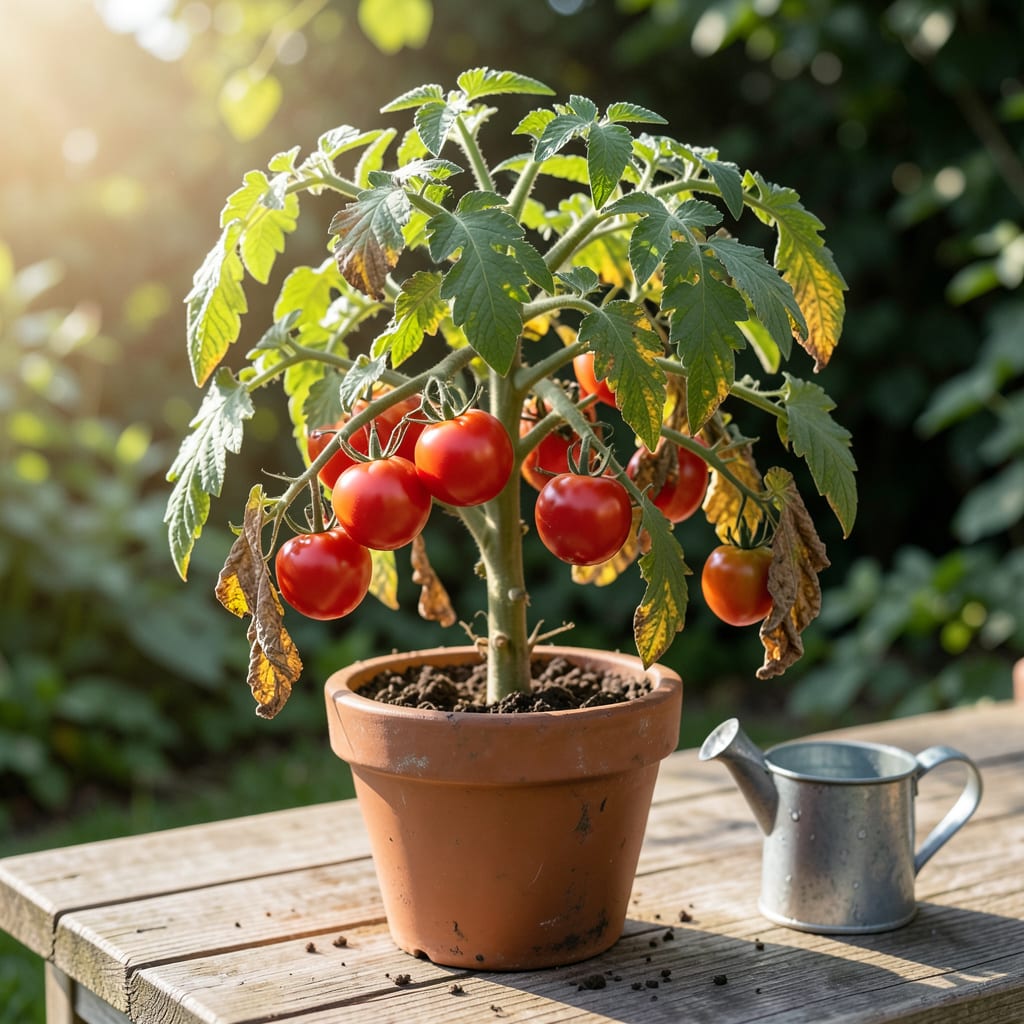
Tomato leaves drooping like they just gave up? I’ve been there—mid-July heatwave, perfect plants one day, sad wilting the next. The causes are simpler than you think, and most can be fixed in 24 hours if you act fast.
Here’s the thing—it’s usually one of four culprits: not enough water, too much water, hungry pests, or sneaky disease. Each has its own telltale signs, like dry soil for thirsty plants or yellowing leaves for overwatered ones.
You’ll spot the difference between a quick fix and a serious problem once you know what to look for. My tomatoes bounced back overnight after I adjusted my watering routine and checked for pest damage.
No fancy tools needed, just sharp eyes and a little know-how. Let’s get those leaves perking up again.
Wilting leaves on your tomato plants are a clear distress signal. Here’s what’s likely causing it:
Tomatoes wilt when transpiration (water loss through leaves) outpaces water uptake from the roots. On scorching days (>90°F/32°C), leaves lose moisture faster than roots can replace it, causing temporary wilting. Chronic underwatering starves plants of hydration, while overwatering suffocates roots, blocking absorption. Check soil moisture 2 inches deep—dryness or sogginess confirms the issue.
Pathogens like Fusarium or Verticillium wilt fungi clog the plant’s vascular system, preventing water transport. Leaves yellow between veins before wilting, often on one side of the plant. Bacterial wilt (Ralstonia solanacearum) causes sudden collapse, oozing stems when cut. These thrive in warm, wet soil and spread via contaminated tools or water.
Sap-sucking pests like aphids, whiteflies, or spider mites drain fluids from leaves, leading to curled, wilted foliage. Root-knot nematodes attack underground, causing stunted growth and wilting despite adequate water. Inspect leaf undersides for pests or shiny honeydew residue—a telltale sign of infestation.
Compacted or nutrient-poor soil restricts root growth, limiting water and nutrient uptake. Physical damage (e.g., from cultivating too close) severs roots, while herbicide drift or salt buildup from fertilizer can chemically burn them. Wilting often appears within 24–48 hours of root injury.
Wilting leaves on your tomato plants can often be reversed with the right care. Below are targeted solutions for each common cause, along with prevention tips to keep your plants thriving.
Give your plants a deep soak at the base, ensuring the water reaches the root zone (about 6–8 inches deep). Water early in the morning to reduce evaporation. To prevent future issues, maintain consistent moisture by checking soil with your finger—if the top 1–2 inches feel dry, it’s time to water. Mulch around the base with straw or wood chips to retain moisture.
Stop watering immediately and let the soil dry out slightly. If the plant is in a container, ensure it has drainage holes. For garden beds, amend heavy soil with compost or sand to improve drainage. Prevention tip: Use a moisture meter or the finger test to avoid overwatering. Water only when the top 2 inches of soil are dry.
Inspect the undersides of leaves and stems for pests like aphids or whiteflies. Spray off pests with a strong stream of water, then apply neem oil or insecticidal soap. For severe infestations, remove heavily affected leaves or plants to prevent spreading. Prevent future pests by encouraging beneficial insects (like ladybugs) and rotating crops yearly.
For fungal or bacterial issues, remove infected leaves immediately and dispose of them in the trash (not compost). Apply a copper-based fungicide for fungal diseases like early blight. Prevent spread by avoiding overhead watering, spacing plants for airflow, and disinfecting tools with rubbing alcohol between uses.
During extreme heat, erect shade cloth (30–50% shade) to protect plants during peak sunlight hours. Ensure plants receive evening watering to help them recover overnight. Prevention tip: Harden off seedlings before transplanting and choose heat-tolerant tomato varieties for your climate.
💡 Pro Tip: Healthy plants resist stress better! Boost resilience with balanced fertilizer (low in nitrogen) and regular feeding with compost tea.
Check the soil 2 inches deep. Dry soil means it needs water, while soggy soil indicates overwatering. Underwatered plants have dry, crispy leaves, while overwatered ones have yellowing leaves and mushy stems.
Aphids, whiteflies, and spider mites suck sap from leaves, causing them to curl and wilt. Root-knot nematodes attack underground, leading to stunted growth and wilting despite adequate water.
Yes! On days over 90°F, leaves lose moisture faster than roots can replace it. This causes temporary wilting, often recovering in the evening. Shade cloth can help during peak heat.
Not always. While diseases like Fusarium wilt cause permanent damage, wilting can also stem from water issues, pests, or heat stress. Check for yellowing between leaf veins or stem ooze for disease signs.
