
Beautiful Plants For Your Interior
Beautiful Plants For Your Interior
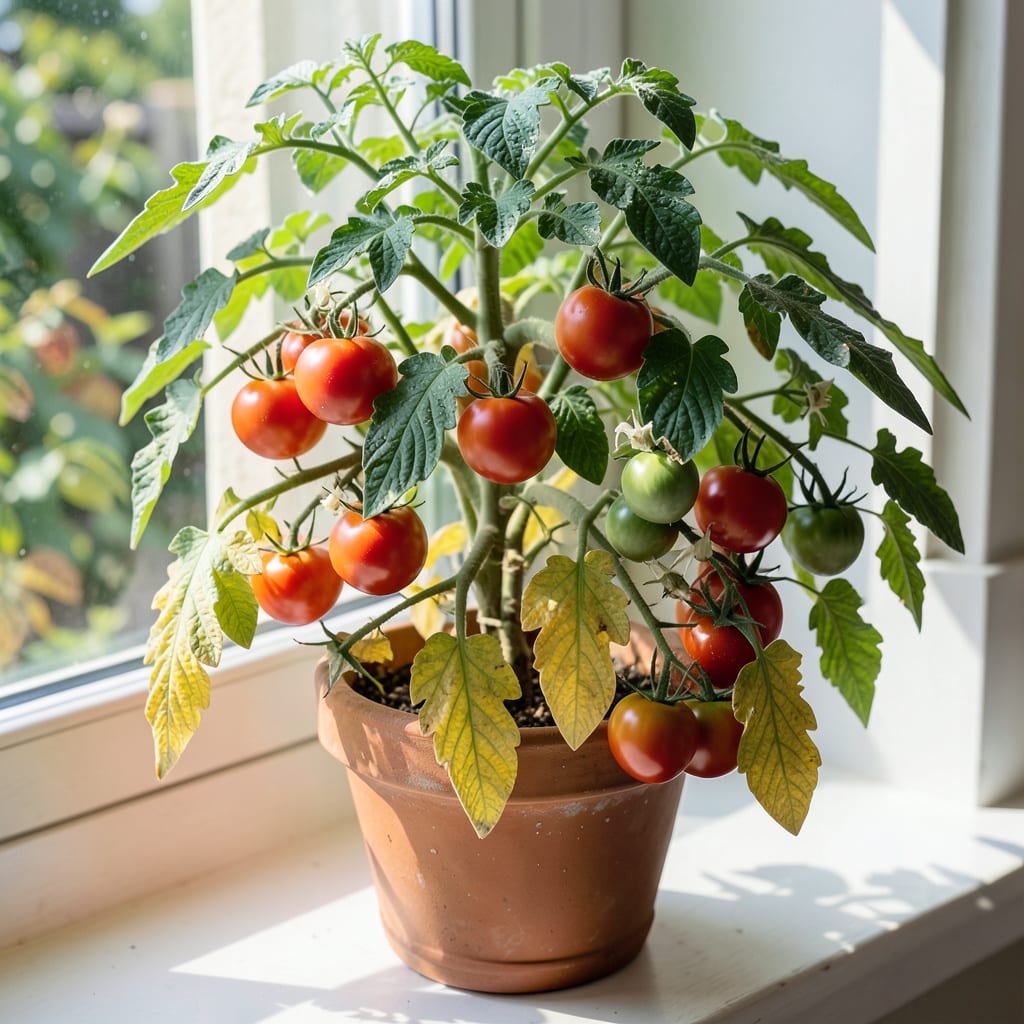
Yellow leaves on the bottom of your tomato plants aren’t the end of the world. I’ve seen this dozens of times, and it’s usually fixable within a week once you pinpoint the cause.
Most often it’s either too much water, a nitrogen deficiency, or early signs of disease. The good news? Your plant is telling you exactly what it needs if you know how to read the signs.
With a few simple adjustments to your care routine, you’ll see those lower leaves perking up. The rest of the plant can keep thriving while you address the issue.
This happens to most gardeners at some point. The key is catching it early and responding quickly.
The yellowing of lower tomato leaves is often a sign of underlying stress or imbalance. Here are the most common causes, explained scientifically:
Tomatoes are heavy feeders, and lower leaves may turn yellow due to nitrogen, magnesium, or potassium shortages. Nitrogen is mobile in the plant, so the plant prioritizes newer growth, leaving older leaves starved. A soil test can confirm deficiencies—look for pale yellowing between veins (magnesium) or uniform yellowing (nitrogen).
Excess water suffocates roots, reducing oxygen uptake and nutrient absorption. This triggers chlorosis (yellowing) as the plant struggles to photosynthesize. Check for waterlogged soil or wilting despite wet conditions.
Pathogens like Fusarium or Verticillium wilt disrupt water flow, causing lower leaves to yellow and wilt. Early signs include yellow patches or brown streaks in stems. Fungal spores thrive in wet, crowded conditions.
Extreme heat, cold drafts, or sudden temperature swings can shock the plant, leading to leaf yellowing. Tomatoes prefer consistent temperatures between 70–85°F (21–29°C).
Actionable tip: Address the root cause—adjust watering, test soil, or improve airflow—to restore plant health.
Here’s how to tackle each common cause and restore your tomato plant’s health.
Fix: Test your soil (a DIY kit works) to confirm deficiencies. For nitrogen, amend with compost or blood meal. For magnesium, add Epsom salt (1 tbsp/gallon of water) as a foliar spray. For potassium, use wood ash or banana peel tea.
Prevention: Rotate crops yearly and use balanced fertilizer (10-10-10) at planting. 💡 Pro tip: Mulch with straw to retain nutrients.
Fix: Let soil dry slightly between waterings. If roots are soggy, improve drainage by mixing in perlite or sand. Trim black, mushy roots and repot in fresh, well-draining soil.
Prevention: Water deeply but less often (1–2 inches/week). Use raised beds or containers if your soil is clay-heavy.
Fix: For aphids or whiteflies, spray with neem oil (1 tsp/oil + 1 tsp soap per quart of water). For early blight, remove infected leaves and apply copper fungicide. Disinfect tools with rubbing alcohol.
Prevention: Space plants 2–3 feet apart for airflow. ✨ Pro tip: Interplant with basil or marigolds to deter pests naturally.
Fix: Shield plants from extreme heat with shade cloth (30–50%). If cold snaps threaten, cover with row fabric. For sunburn, prune only the lowest yellow leaves to avoid exposing fruit.
Prevention: Harden off seedlings before transplanting. Choose heat-tolerant varieties like ‘Solar Fire’ for hot climates.
Yes, prune yellow leaves with clean shears to redirect energy to healthy growth. Remove only the affected foliage and dispose of it away from your garden to prevent disease spread.
Too much fertilizer can burn roots, leading to nutrient lockout. Stick to recommended doses and test soil before adding more.
With proper care, new growth should appear healthy within 7–14 days. Older yellow leaves won’t recover, but the plant will produce fresh ones.
If caused by fungal disease, yes. Isolate affected plants and avoid overhead watering. For nutrient issues, it’s not contagious.
