
Beautiful Plants For Your Interior
Beautiful Plants For Your Interior
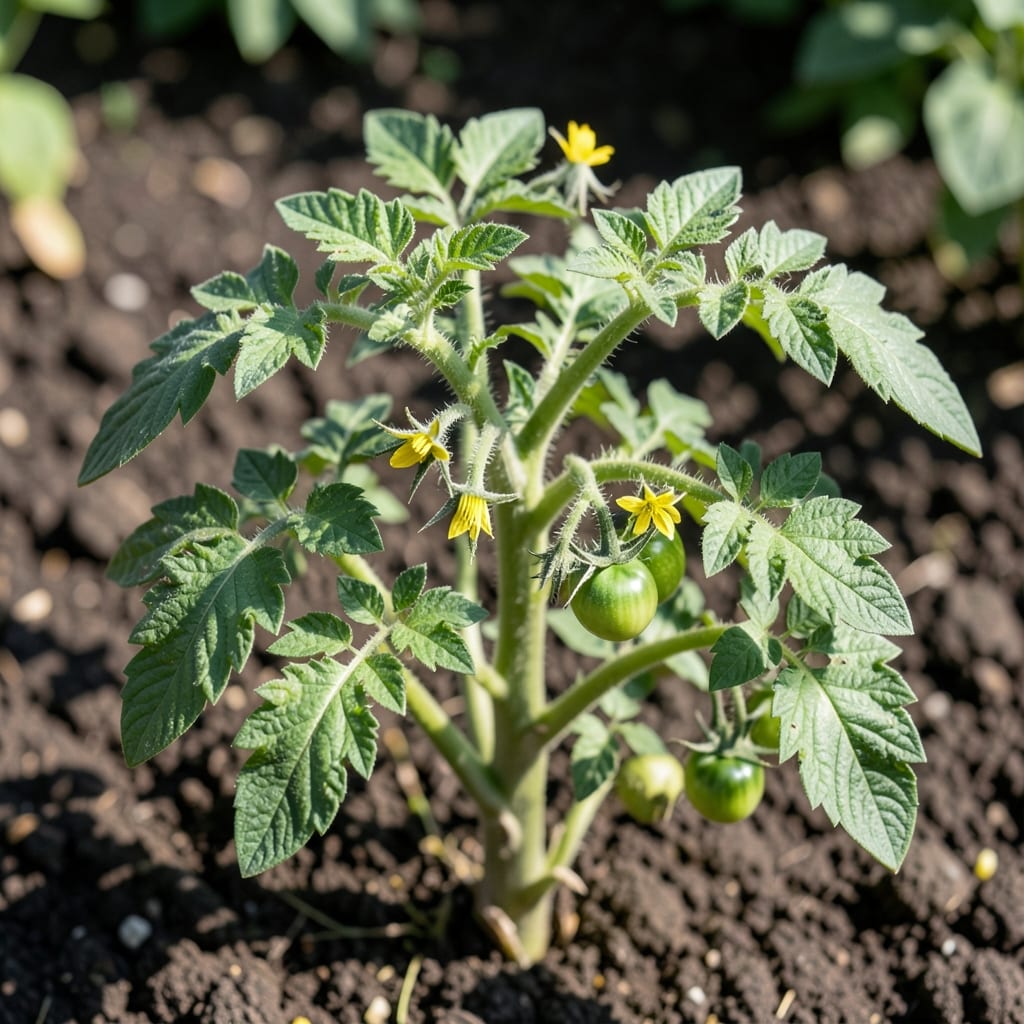
Nothing deflates a gardener faster than seeing tomato leaves droop overnight. I’ve lost count of how many times I’ve panicked at the sight—only to realize most causes are fixable within 24 hours.
Between you and me, overwatering is the usual suspect. Soggy roots can’t breathe, and the plant wilts faster than you’d expect. But dry soil, pests, or even sudden temperature swings can do the same.
We learned the hard way to check soil moisture with a finger before watering. That simple habit saved more plants than any fancy tool we’ve tried.
You’ll spot the difference quickly: underwatered leaves feel crisp, while overwatered ones look limp. The solution is usually simpler than you think.
Tomato plants are hardy, but their leaves can wilt for several specific reasons. Understanding the root cause is the first step to reviving your plant. Here are the most common culprits:
Tomatoes need consistent moisture. Too little water causes stress, leading to drooping leaves as the plant conserves energy. Conversely, overwatering suffocates roots, preventing them from absorbing oxygen and nutrients. Aim for 1–2 inches of water per week, adjusting for rainfall and soil drainage.
Tomatoes thrive in 70–85°F (21–29°C) daytime temperatures. Exposure to extreme heat (above 90°F/32°C) or cold (below 50°F/10°C) disrupts their vascular system, causing leaves to wilt. Use shade cloth for heatwaves or row covers for unexpected cold snaps.
Pathogens like Fusarium wilt, Verticillium wilt, or bacterial spot block water flow in stems, starving leaves. Look for yellowing, spotting, or stem discoloration. Remove infected plants immediately and rotate crops yearly to prevent soil-borne diseases.
Sap-sucking pests such as aphids, whiteflies, or spider mites drain fluids from leaves, causing wilting. Check undersides of leaves for tiny bugs or webbing. Treat with neem oil or insecticidal soap at first signs.
Compacted or nutrient-poor soil restricts root growth, while accidental root injury (e.g., during weeding) disrupts water uptake. Ensure loose, well-draining soil rich in organic matter. Avoid disturbing roots when transplanting or cultivating.
Take action fast to nurse your tomato plant back to health with these targeted fixes.
Give the plant a thorough soak at the base until water runs out the drainage holes. Prevent it: Check soil moisture 1–2 inches down; water when dry. Use mulch to retain moisture.
Stop watering immediately and let the soil dry out. Repot in fresh, well-draining soil if root rot is suspected. Prevent it: Use containers with drainage holes and a moisture meter to avoid soggy soil.
Pick off visible pests like aphids by hand or spray with neem oil or insecticidal soap. Prevent it: Inspect leaves weekly and introduce beneficial insects like ladybugs.
Remove infected leaves and avoid overhead watering. Apply a copper-based fungicide for fungal issues. Prevent it: Space plants for airflow and rotate crops yearly to reduce disease risk.
Use shade cloth during peak sun hours or relocate potted plants. Prevent it: Harden off seedlings before transplanting and water in the early morning.
Stake or cage plants to reduce movement. Prevent it: Plant in sheltered spots or use windbreaks in exposed areas.
💡 Pro Tip: Always sterilize pruning tools between cuts to avoid spreading disease!
Underwatered leaves feel dry and crisp, while overwatered ones look limp and yellowing. Check soil 1-2 inches down—dry means thirsty, soggy means too much.
Often yes, if caught early! Fix the issue (water, shade, etc.) and healthy plants bounce back in 24-48 hours. Severely damaged leaves may not, but new growth will.
Trim damaged leaves, then address the root cause. For heat stress, move to shade and water deeply. For pests, spray with neem oil immediately.
Only if caused by disease or pests. Remove infected plants and treat neighbors preventatively. Keep tools clean to stop disease spread.