
Beautiful Plants For Your Interior
Beautiful Plants For Your Interior
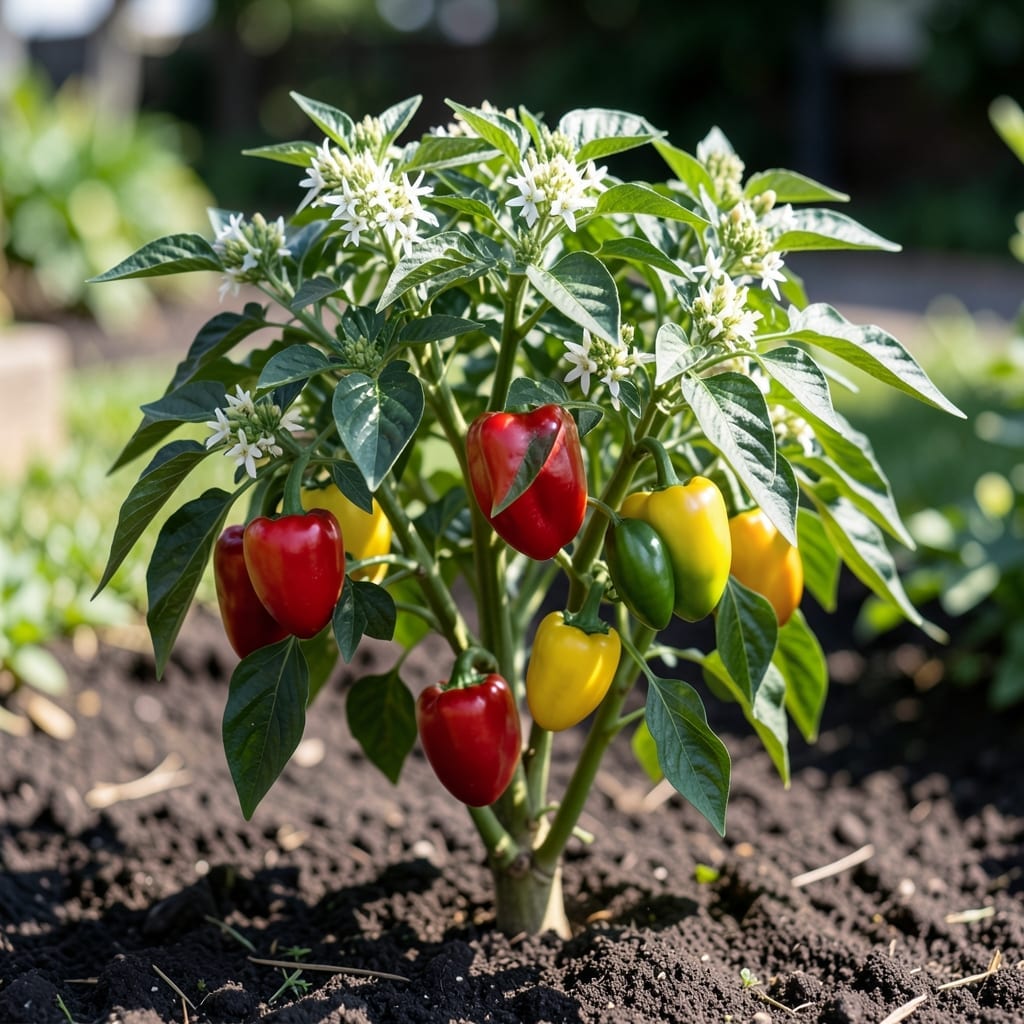
Wilted pepper leaves hit different. I’ve lost count of how many times I’ve walked into the garden to find my plants looking like they’ve given up on life.
Here’s the thing—drooping isn’t always a death sentence. It’s usually your plant’s way of screaming for water, light, or a break from soggy roots. Nine times out of ten, it’s fixable within 24-48 hours.
You’ll spot the difference between thirsty leaves (crispy, dry) and waterlogged ones (soft, yellowing). The solution is often as simple as adjusting your watering schedule or moving the pot to better light.
Works for bell peppers, jalapeños, or any variety. Let’s get them standing tall again.
Pepper plants are hardy, but their leaves can droop when something disrupts their balance. Here’s why it happens—and how to fix it.
Underwatering causes leaves to wilt as the plant conserves moisture. The soil pulls away from the pot edges, and leaves feel crispy. Overwatering, however, suffocates roots, preventing oxygen uptake. Soggy soil and yellowing leaves are red flags. Action: Stick your finger 2 inches into the soil—if dry, water; if damp, hold off.
Peppers thrive between 70–85°F (21–29°C). Exposure to cold drafts (below 50°F/10°C) or scorching heat (above 90°F/32°C) disrupts cellular function, causing limp leaves. Action: Move plants indoors or to shade during extremes.
Spider mites, aphids, and whiteflies suck sap from leaves, weakening the plant. Check undersides for webs, sticky residue, or tiny bugs. Action: Spray with neem oil or insecticidal soap weekly until pests vanish.
Compacted soil or pots without drainage holes trap water, leading to root rot (fungal/bacterial). Roots turn brown/mushy, and leaves droop despite moist soil. Action: Repot in fresh, well-draining soil and trim rotten roots.
Peppers prefer 40–60% humidity. Dry air (common indoors) causes leaves to lose moisture faster than they absorb it. Action: Mist leaves or use a humidity tray with pebbles and water.
Drooping leaves on your pepper plant are often fixable with a few simple adjustments. Below, we break down the most common causes and their practical solutions, plus prevention tips to keep your plant thriving.
If the soil is dry and crumbly, your plant is likely thirsty. Water deeply until you see it draining from the bottom of the pot. Check the top inch of soil daily—if it feels dry, water again. Prevention tip: 💡 Use a moisture meter or stick your finger in the soil to monitor dryness before watering.
Yellowing leaves and soggy soil mean you’re overdoing it. Stop watering immediately and let the soil dry out. Move the plant to a sunny spot to speed up evaporation. If root rot is suspected, repot in fresh, well-draining soil. Prevention tip: 🌱 Ensure your pot has drainage holes and use a gritty, fast-draining soil mix.
Pepper plants wilt in extreme heat or cold. Move them indoors if temperatures drop below 55°F (13°C) or rise above 90°F (32°C). Use shade cloth for outdoor plants during heatwaves. Prevention tip: 🌡️ Keep plants in a stable environment, away from drafts or direct AC/heater vents.
Inspect the leaves for aphids, spider mites, or whiteflies. Spray with neem oil or insecticidal soap, focusing on the undersides of leaves. Repeat every 3–5 days until pests are gone. Prevention tip: ✨ Regularly wipe leaves with a damp cloth to deter pests and keep plants healthy.
Drooping paired with discolored leaves may signal a lack of nitrogen, potassium, or magnesium. Use a balanced fertilizer (10-10-10) or add compost to the soil. For quick fixes, try a foliar spray like Epsom salt (1 tbsp per gallon of water) for magnesium. Prevention tip: 🎯 Fertilize every 2–4 weeks during the growing season, but avoid over-fertilizing.
With proper care, most plants bounce back in 24-48 hours. Underwatered plants often perk up within hours after deep watering, while overwatered ones may need 2-3 days to dry out.
Not usually! Drooping is often a stress response, not a death sentence. If the stems remain firm and green, your plant is likely salvageable. Only brown, mushy stems signal serious trouble.
Only if they’re yellow, brown, or damaged. Green but droopy leaves will often recover. Removing them prematurely wastes the plant’s energy. Trim only what’s clearly beyond saving.
This is normal! Some pepper varieties exhibit nyctinasty—leaves fold or droop at night and perk up by morning. It’s a natural response to darkness and humidity changes.