
Beautiful Plants For Your Interior
Beautiful Plants For Your Interior
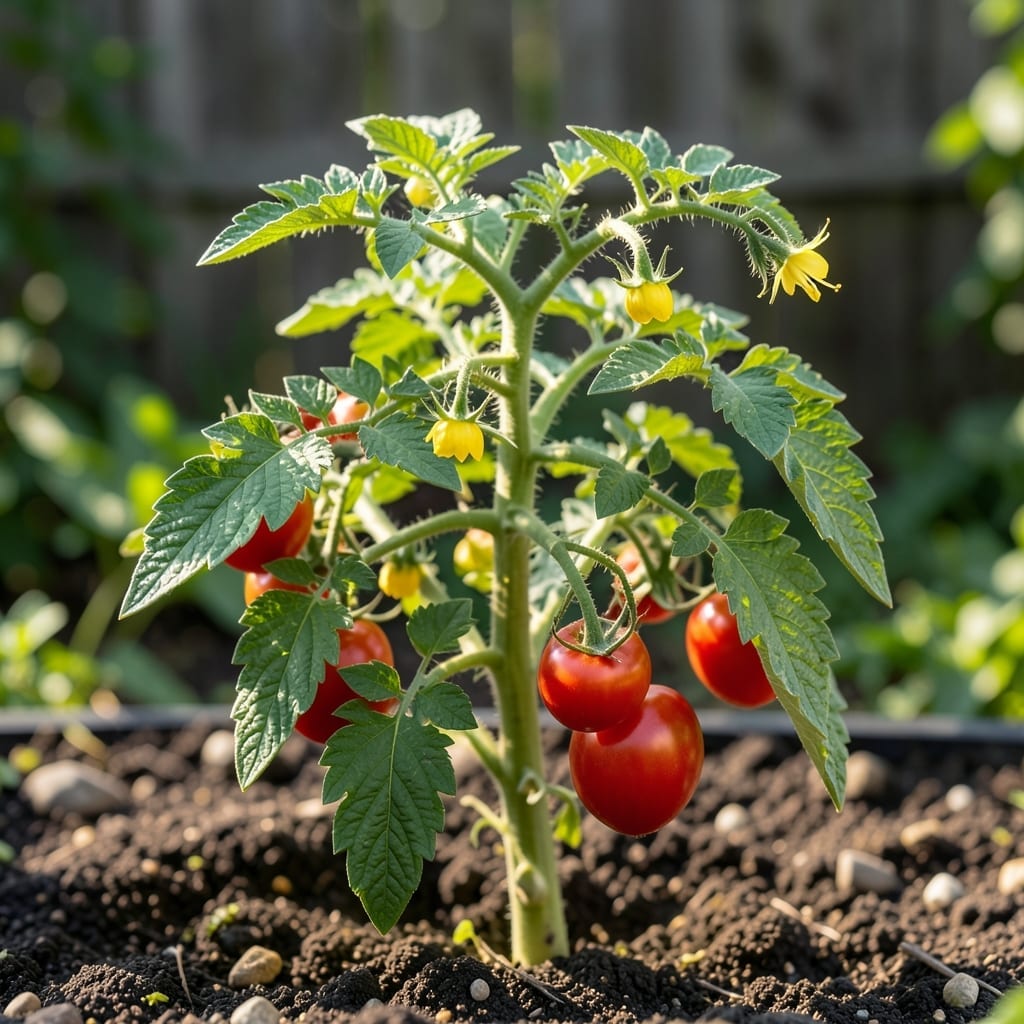
Yellowing, spotted, or curling leaves tell a story your tomatoes can’t. I’ve learned to read these signs before they wipe out a season’s work.
Each symptom points to a different culprit—overwatering, pests, or nutrient deficiencies. The good news? Most issues are fixable once you know what you’re looking at.
With this visual guide, you’ll spot early warning signs most gardeners miss. Catching problems at the first leaf change saves weeks of recovery time.
Works for heirlooms, cherry varieties, and everything in between. Let’s decode what your plants are trying to say.
Understanding why tomato plant leaves develop problems starts with identifying the root causes. Below are the most common reasons, explained with scientific precision and actionable insights.
Extreme temperatures, either too hot or too cold, disrupt the plant’s metabolic processes. Heat stress (above 90°F/32°C) can cause leaf scorch, where edges turn brown and crispy due to excessive transpiration. Cold stress (below 50°F/10°C) slows enzyme activity, leading to purple or yellow discoloration from nutrient uptake failure.
Overwatering suffocates roots, reducing oxygen uptake and causing edema—blisters or swellings on leaves. Underwatering triggers wilting and dry, curled leaves as turgor pressure drops. Inconsistent moisture levels also contribute to blossom end rot in fruits, though leaf symptoms (yellowing, necrosis) often appear first.
Pathogens like Alternaria solani (early blight) or Pseudomonas syringae (bacterial speck) thrive in humid conditions. Early blight causes concentric brown spots with yellow halos, while bacterial speck creates small, water-soaked lesions. Fungal spores spread via water splashes, so overhead watering exacerbates these issues.
Sap-sucking pests such as aphids, whiteflies, or spider mites pierce leaf cells, draining nutrients and introducing toxins. This results in stunted growth, curled leaves, or yellow stippling. Spider mites, in particular, create fine webbing under leaves, visible in tomato plant leaves images under close inspection.
Nitrogen deficiency causes uniform yellowing (chlorosis) of older leaves, while potassium deficiency leads to yellow edges and curly leaves. Magnesium deficiency, often seen in sandy soils, produces interveinal chlorosis—yellowing between leaf veins. A soil test can pinpoint which nutrients are lacking.
When your tomato plant leaves show signs of trouble, quick action can save your harvest. Below are practical fixes for common issues, paired with prevention tips to keep your plants thriving.
Fix: Test your soil to identify missing nutrients (nitrogen, magnesium, or iron are common culprits). Use a balanced fertilizer or amend with compost. If overwatering is the issue, let the soil dry slightly between waterings and ensure proper drainage.
Prevention: Water deeply but infrequently (1-2 inches per week) and mulch to retain moisture. Avoid waterlogging by using well-draining soil.
Fix: Remove infected leaves immediately to prevent spread. Apply a copper-based fungicide or a DIY baking soda spray (1 tsp baking soda, 1 quart water, and a few drops of dish soap). For bacterial spot, use a bactericide like copper sulfate.
Prevention: Space plants 18-24 inches apart for airflow, water at the base (not overhead), and rotate crops yearly to avoid soil-borne pathogens.
Fix: Handpick pests like tomato hornworms or aphids early in the morning. Use insecticidal soap or neem oil for smaller invaders. For severe cases, introduce beneficial insects like ladybugs or lacewings.
Prevention: Inspect plants regularly, especially the undersides of leaves. Use row covers for young plants and avoid over-fertilizing, which attracts pests.
Fix: Water deeply during dry spells and provide afternoon shade with a shade cloth if temperatures exceed 90°F. For underwatering, soak the soil slowly to ensure deep penetration.
Prevention: Mulch with straw or wood chips to retain moisture and regulate soil temperature. Plant in a spot with partial shade if your climate is extremely hot.
💡 Pro Tip: Early intervention is key! Regularly inspect your tomato plant leaves for changes, and address issues as soon as they appear to minimize damage.
Healthy leaves are deep green, firm, and slightly fuzzy with smooth edges. They should feel slightly rough to the touch and have no spots, holes, or discoloration. Any deviation often signals a problem.
Overwatering causes yellowing with soft, mushy stems and soil that stays damp. Nutrient deficiencies often appear as uniform yellowing in older leaves first. A simple soil test can confirm nutrient shortages.
Yes, if the stems remain green and firm. Remove damaged leaves, address the root cause, and provide optimal care. New healthy growth often replaces lost foliage within 2-3 weeks.
Curling often signals environmental stress from heat (above 90°F), wind, or herbicide drift. Check for these factors before assuming a watering issue. Shade cloth can help in hot climates.