
Beautiful Plants For Your Interior
Beautiful Plants For Your Interior
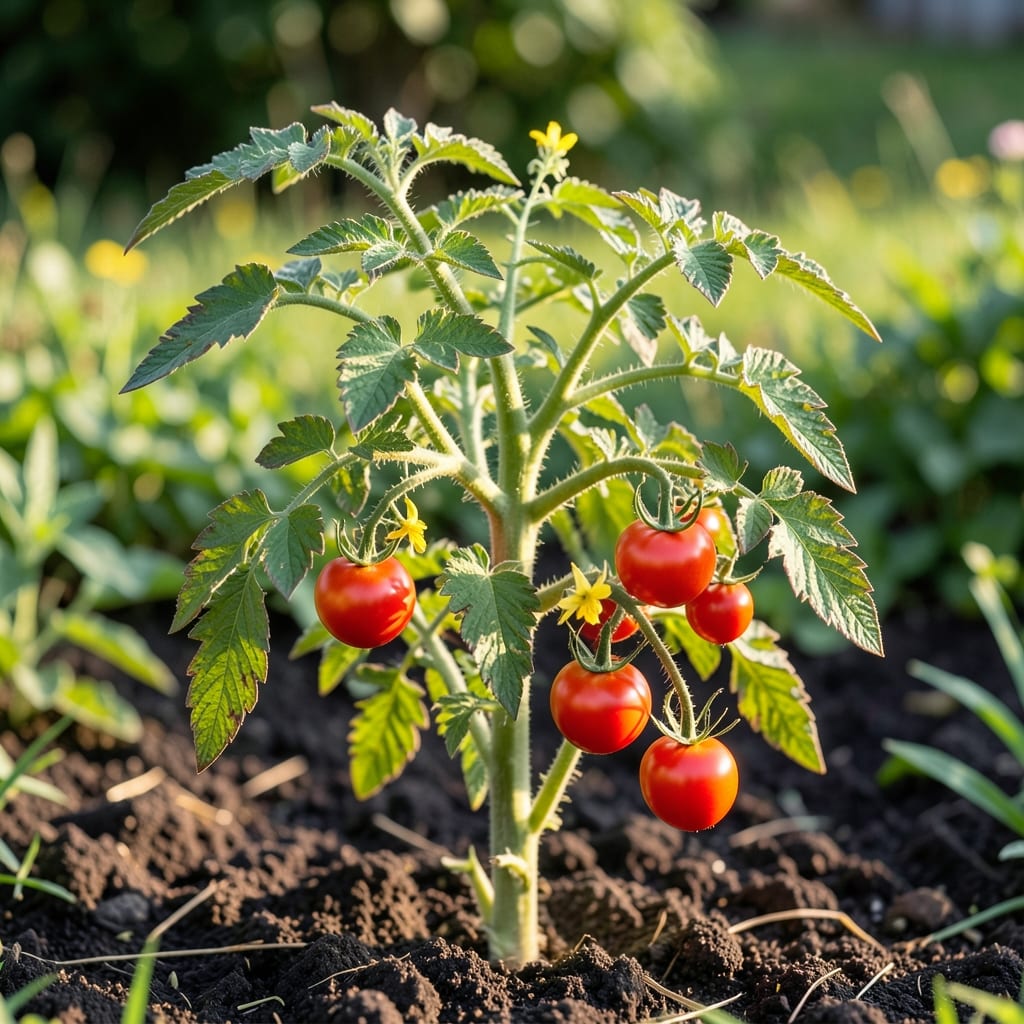
Brown edges on tomato leaves always signal something’s off. I’ve learned the hard way that this usually means water stress, nutrient issues, or a silent pest problem.
First, check your watering routine—too much or too little can both cause crispy edges. Then, look closer: yellowing between veins hints at nutrient gaps, while tiny holes suggest pests.
Most fixes are simple: adjust watering, test soil, or treat for bugs. Your plants can bounce back in a week or two with the right care.
Between you and me, I’ve saved countless plants by catching this early. Here’s how to diagnose and fix it fast.
Brown edges on tomato plant leaves are often a sign of stress or imbalance. Here are the most common causes, explained in scientific terms:
High temperatures or inconsistent watering disrupt the plant’s osmotic balance. When roots can’t absorb water fast enough to replace what’s lost through transpiration, leaf edges dry out and turn brown—a condition called leaf scorch. Tomato plants need 1–2 inches of water per week and thrive in temperatures between 70–85°F (21–29°C).
Over-fertilization, especially with synthetic fertilizers high in salts, leads to osmotic stress. Excess salts in the soil draw water out of the roots, causing dehydration. This often appears as browning starting at the leaf margins. Always flush the soil with water if you suspect salt buildup.
Tomatoes prefer 40–70% humidity. In dry environments, transpiration rates spike, and leaf edges may crisp and brown. This is common in greenhouses or arid climates. Using mulch or drip irrigation can help maintain consistent moisture levels.
While less common, an imbalance in nutrients like calcium, potassium, or magnesium can cause edge browning. For example, potassium deficiency often starts as yellowing at leaf edges (scorching) before turning brown. A soil test can confirm deficiencies—amend with compost or a balanced organic fertilizer.
Here’s how to tackle each common cause of brown edges on tomato leaves, with simple, actionable fixes and prevention tips to keep your plants thriving.
If dry soil is the culprit, water deeply at the base (not the leaves) early in the morning to reduce evaporation. Aim for 1–2 inches of water per week, adjusting for heat or drought. Prevention tip: 💡 Mulch around plants with straw or wood chips to retain moisture and regulate soil temperature.
Soggy roots suffocate plants. Stop watering until the top 1–2 inches of soil dry out. If your garden bed lacks drainage, amend the soil with compost or sand. For potted tomatoes, ensure containers have drainage holes. Prevention tip: ✨ Use a moisture meter to avoid guesswork—water only when needed.
Scorching sun or heatwaves can crisp leaf edges. Provide afternoon shade with a cloth or row cover during peak heat. Increase watering frequency (but avoid waterlogging). Prevention tip: 🎯 Plant tomatoes where they get morning sun and afternoon shade in hot climates.
Excess salts from fertilizers or tap water can burn roots and leaves. Flush the soil with plenty of water to leach out salts. Switch to a balanced, organic fertilizer and follow package instructions. Prevention tip: 🌡️ Test soil annually and avoid over-fertilizing—more isn’t always better!
For early blight or other fungi, remove affected leaves immediately and dispose of them (not in compost). Apply a copper-based fungicide or neem oil spray. Prevention tip: ✨ Space plants 2–3 feet apart for airflow, and water at the base to keep leaves dry.
Water deeply 2-3 times per week, providing 1-2 inches total. Check soil moisture 2 inches down—if dry, it’s time to water. Morning watering reduces evaporation.
Yes, if left untreated. Start with affected leaves, then progress inward. Act quickly by adjusting care and removing damaged foliage to prevent further spread.
Remove damaged leaves with clean shears to redirect energy to healthy growth. Never compost diseased leaves to avoid reinfection.
Brown edges alone rarely indicate pests. Look for additional signs like holes, spots, or webbing. If present, treat with neem oil or insecticidal soap.