
Beautiful Plants For Your Interior
Beautiful Plants For Your Interior
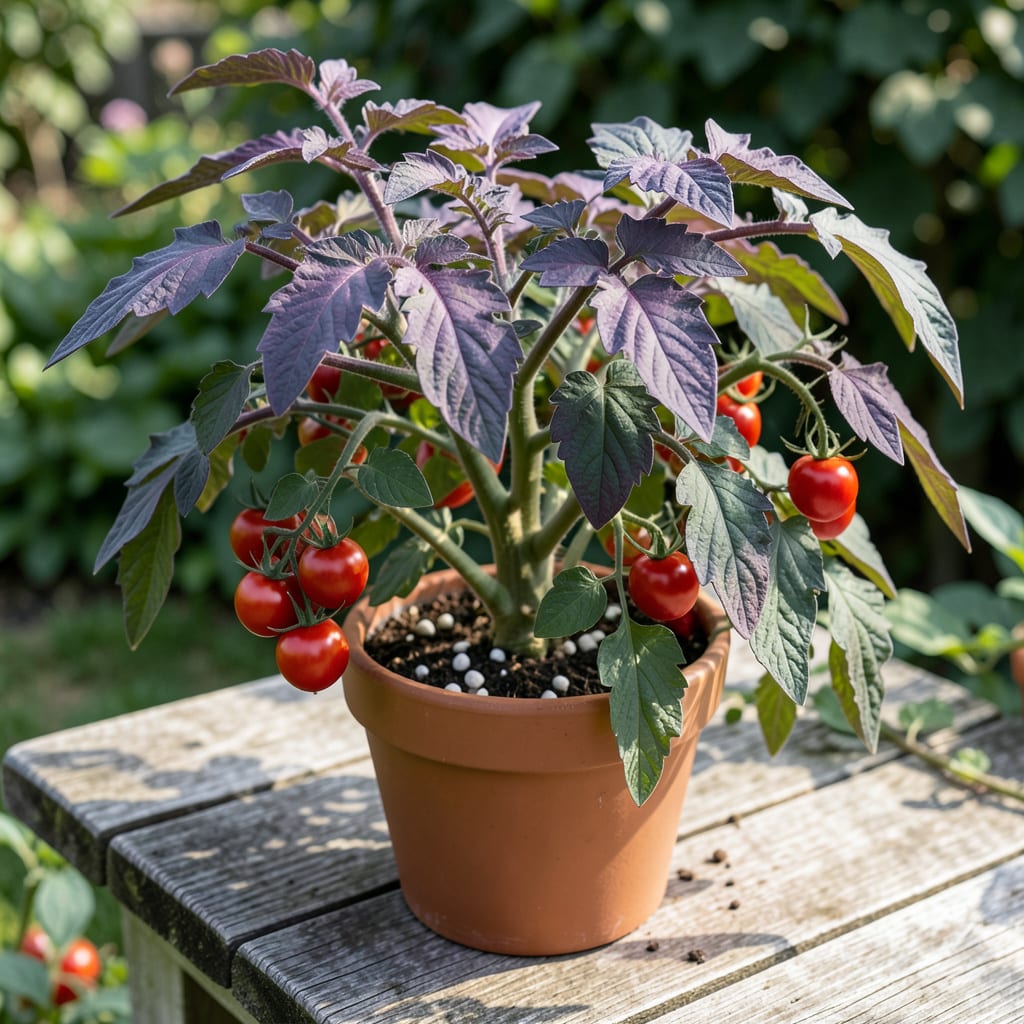
Purple tomato leaves aren’t just unsightly—they’re a red flag. I’ve seen this happen to my own plants when the soil was too cold or lacking phosphorus, and the fix was simpler than I expected.
This color change usually signals a nutrient deficiency or pH imbalance, often tied to cold soil or poor root uptake. The good news? Most cases are reversible with the right adjustments to your care routine.
You’ll notice the purple tint on older leaves first, then spreading upward. Catching it early means your plants can bounce back within 2 weeks of treatment.
Works for container or in-ground tomatoes, and prevents future issues with proper soil prep. Here’s how to diagnose and fix it.
Tomato leaves turning purple often signal an underlying issue affecting the plant’s health. Below are the most common causes, explained with actionable insights.
One of the most frequent culprits is phosphorus deficiency. Phosphorus is vital for energy transfer and root development in tomatoes. When soil lacks sufficient phosphorus (especially in cold, waterlogged, or acidic conditions), leaves may develop a purplish tint on the undersides or veins. This often appears first on older leaves. Soils below 60°F (15°C) can reduce phosphorus uptake, even if it’s present.
Extreme temperatures—either too cold or too hot—can disrupt nutrient absorption. Cold snaps slow metabolic processes, limiting phosphorus mobility within the plant. Conversely, heatwaves can cause water stress, reducing the plant’s ability to take up nutrients effectively. Purple leaves may emerge as a stress response in both scenarios.
Tomatoes thrive in slightly acidic soil (pH 6.0–6.8). If the pH drifts too high (alkaline) or too low (acidic), essential nutrients like phosphorus, iron, or magnesium become less available. A soil test can confirm imbalances; amending with lime (to raise pH) or sulfur (to lower pH) can restore optimal conditions.
Excessive nitrogen or potassium can block phosphorus uptake, a condition known as nutrient lockout. Over-fertilizing with high-nitrogen blends (e.g., fresh manure) may cause lush green growth but starve the plant of phosphorus, leading to purple discoloration. Always follow a balanced fertilizer regimen tailored to tomatoes.
Purple leaves on your tomato plants are a clear signal they need a little extra care. Here’s how to diagnose and treat the most common causes, along with tips to keep your plants thriving.
If your soil is cool or overly acidic, phosphorus may be locked out. Fix it by warming the soil with black plastic mulch or adding a high-phosphorus fertilizer (like 5-10-5). For a quick boost, use a foliar spray with phosphorus-rich seaweed extract. Prevention tip: Test your soil pH—aim for 6.0 to 6.8—and amend with lime if it’s too acidic.
Older leaves turning purple with yellow veins? Magnesium is likely the culprit. Solve it by dissolving 1 tablespoon of Epsom salt in a gallon of water and spraying it on the leaves. For a long-term fix, work compost or garden lime into the soil before planting. Prevention tip: Avoid overwatering, which can leach magnesium from the soil.
Chilly nights can stunt nutrient uptake, leading to purple hues. Protect plants with row covers or cloches to trap heat. If growing in containers, move them to a warmer spot. Prevention tip: Wait until soil temperatures reach at least 55°F (13°C) before transplanting seedlings outdoors.
Soggy roots suffocate and prevent nutrient absorption. Fix drainage by improving soil structure with organic matter like compost or perlite. Water only when the top inch of soil feels dry. Prevention tip: Use raised beds or containers if your garden has heavy clay soil.
Pro tip: 🌡️ Always start with a soil test to pinpoint deficiencies before treating. A little detective work goes a long way!
Not always. While phosphorus deficiency is common, cold stress or pH imbalance can also cause it. Check soil temperature and test pH before assuming a nutrient problem.
With proper treatment, new growth should appear green within 1-2 weeks. Existing purple leaves may not fully recover but will drop naturally as the plant improves.
Yes! Excess nitrogen or potassium can block phosphorus uptake, creating a deficiency. Always use a balanced fertilizer and follow package instructions carefully.
If caught early, no. The plant can recover and produce normally. Severe, untreated cases may reduce yield or fruit quality. Act quickly for best results.
