
Beautiful Plants For Your Interior
Beautiful Plants For Your Interior
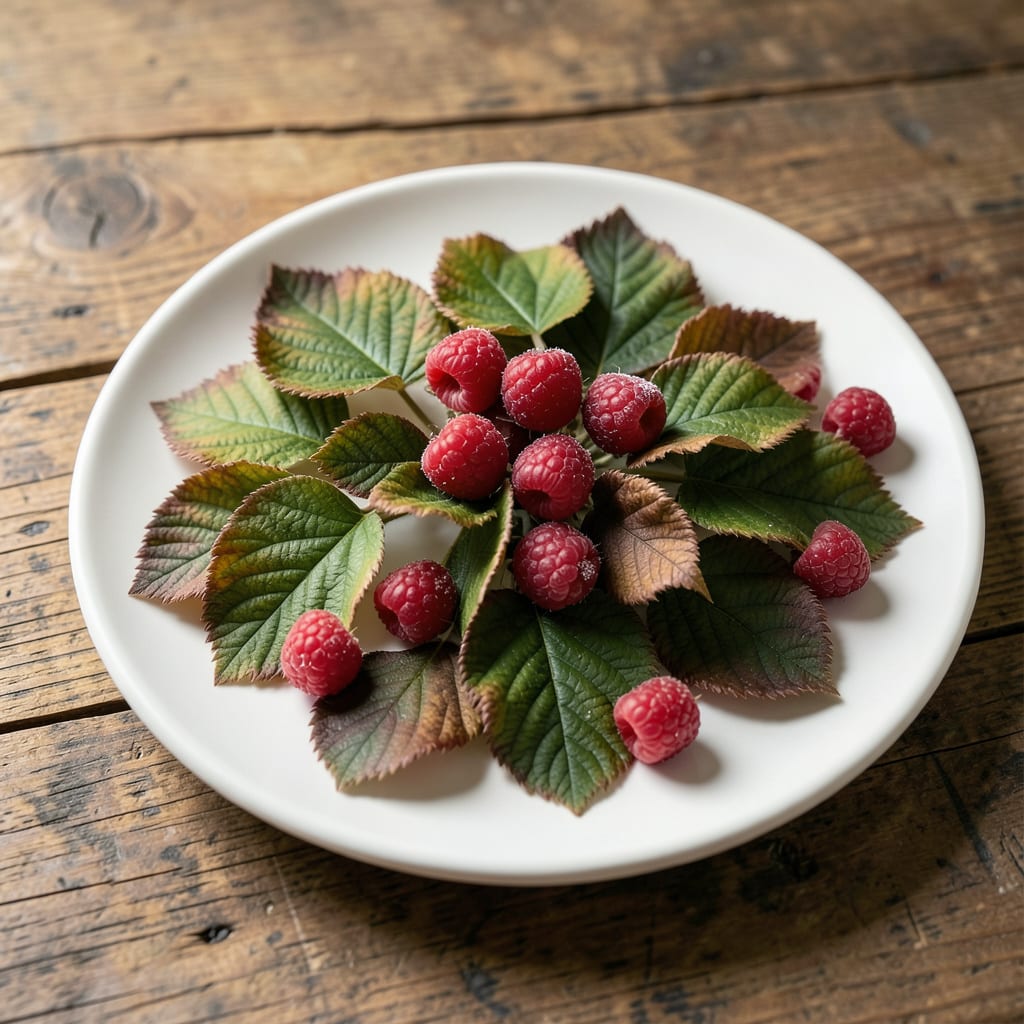
Brown edges on raspberry leaves always signal a plant crying for help. I’ve seen this issue wipe out entire canes if ignored, but the fix is usually simpler than you’d think.
Most cases trace back to water stress, nutrient gaps, or environmental shock. The good news? Your plants aren’t doomed—raspberries bounce back fast with the right adjustments. I’ve nursed mine from crispy to vibrant green in under two weeks.
We’ll tackle the root causes first, then the organic solutions that actually work. No guesswork, just proven steps to restore healthy foliage before the next growing season.
Works for all raspberry varieties, whether you’re growing in the ground or containers. Here’s how to diagnose and treat it properly.
Brown edges on raspberry leaves are a clear sign of stress, often tied to environmental or cultural factors. Below are the most common causes, explained scientifically to help you diagnose and address the issue effectively.
Raspberries thrive in consistent moisture. When exposed to prolonged high temperatures or drought conditions, the plant’s vascular system struggles to transport water to the leaf margins. This leads to necrosis (cell death) at the edges, turning them brown. The plant prioritizes water delivery to critical areas like fruit and new growth, sacrificing older leaves first.
While raspberries need moisture, soggy soil or root rot (caused by Phytophthora or other fungi) can also trigger brown edges. Overwatering suffocates roots, reducing their ability to absorb nutrients like potassium and magnesium. Without these, leaves develop marginal scorching, starting at the tips and edges.
Excessive fertilizers, especially those high in sodium or chloride, can accumulate in the soil, leading to osmotic stress. This draws water out of the roots, causing dehydration. Similarly, herbicide drift or improperly composted manure can introduce toxins that burn leaf margins. Always flush soil with water if you suspect salt buildup.
Brown edges often signal a potassium deficiency, as this nutrient is vital for water regulation and enzyme activation. Without it, cells at the leaf margins collapse. A magnesium shortage (critical for chlorophyll production) can also cause interveinal browning. Test soil pH—raspberries prefer 5.5–6.5; outside this range, nutrient uptake is hindered.
Pathogens like Verticillium or Botrytis can infect raspberry plants, disrupting water and nutrient flow. Leaf spot diseases often start as small lesions that expand into brown, crispy edges. Remove infected foliage immediately to prevent spread, and improve air circulation around plants.
Here’s how to tackle browning edges on raspberry leaves, with fixes tied to the most likely causes and easy prevention tips to keep your plants thriving.
If dry soil is the culprit, water deeply at the base of the plant twice a week during dry spells. Aim for 1–2 inches of water per week, and add a 2-inch layer of mulch (straw or wood chips) to retain moisture. Prevention tip: Use a rain gauge or moisture meter to avoid guesswork. 💡
Soggy roots suffocate plants. If the soil stays wet, stop watering and let it dry out. For potted raspberries, ensure pots have drainage holes. Amend heavy clay soil with compost or sand to improve drainage. Prevention tip: Water only when the top inch of soil feels dry. 🌡️
Yellowing with brown edges often signals a potassium or magnesium shortage. Apply a balanced organic fertilizer (like 10-10-10) or work compost into the soil. For quick fixes, use kelp meal (potassium) or Epsom salts (magnesium) as a foliar spray. Prevention tip: Test soil annually and fertilize in early spring. ✨
Spider mites or aphids suck sap, causing edges to brown. Blast them off with a strong water spray, or apply neem oil or insecticidal soap weekly until gone. Prevention tip: Encourage ladybugs and lacewings—natural predators—by planting companion flowers like marigolds. 🎯
Intense afternoon sun can scorch leaves. Use shade cloth (30–50%) during peak heat, or plant raspberries where they get morning sun and afternoon shade. Prevention tip: Avoid overhead watering in sunlight to prevent leaf burn. 🌞
Prune crowded canes to increase airflow and reduce humidity. Remove infected leaves and apply baking soda spray (1 tsp baking soda + 1 quart water + a drop of soap) weekly. Prevention tip: Space plants 2–3 feet apart and water at the base to keep foliage dry. 🌬️
Not necessarily! Brown edges often indicate stress, not death. With proper care, most plants recover within 2-3 weeks. Focus on fixing the root cause, like water or nutrient issues.
Yes, the fruit remains safe to eat unless the issue is fungal or bacterial. Wash berries thoroughly and inspect for mold. Avoid eating leaves, as they may taste bitter or contain toxins.
Check the soil: if it’s bone dry 2 inches down, underwatering is likely. If it’s soggy or smells foul, overwatering is the culprit. Adjust watering and monitor for 1 week.
Yes, remove severely damaged leaves to redirect energy to healthy growth. Use clean shears and prune at the base of the leaf stem. Avoid removing more than 30% of foliage at once.
