
Beautiful Plants For Your Interior
Beautiful Plants For Your Interior
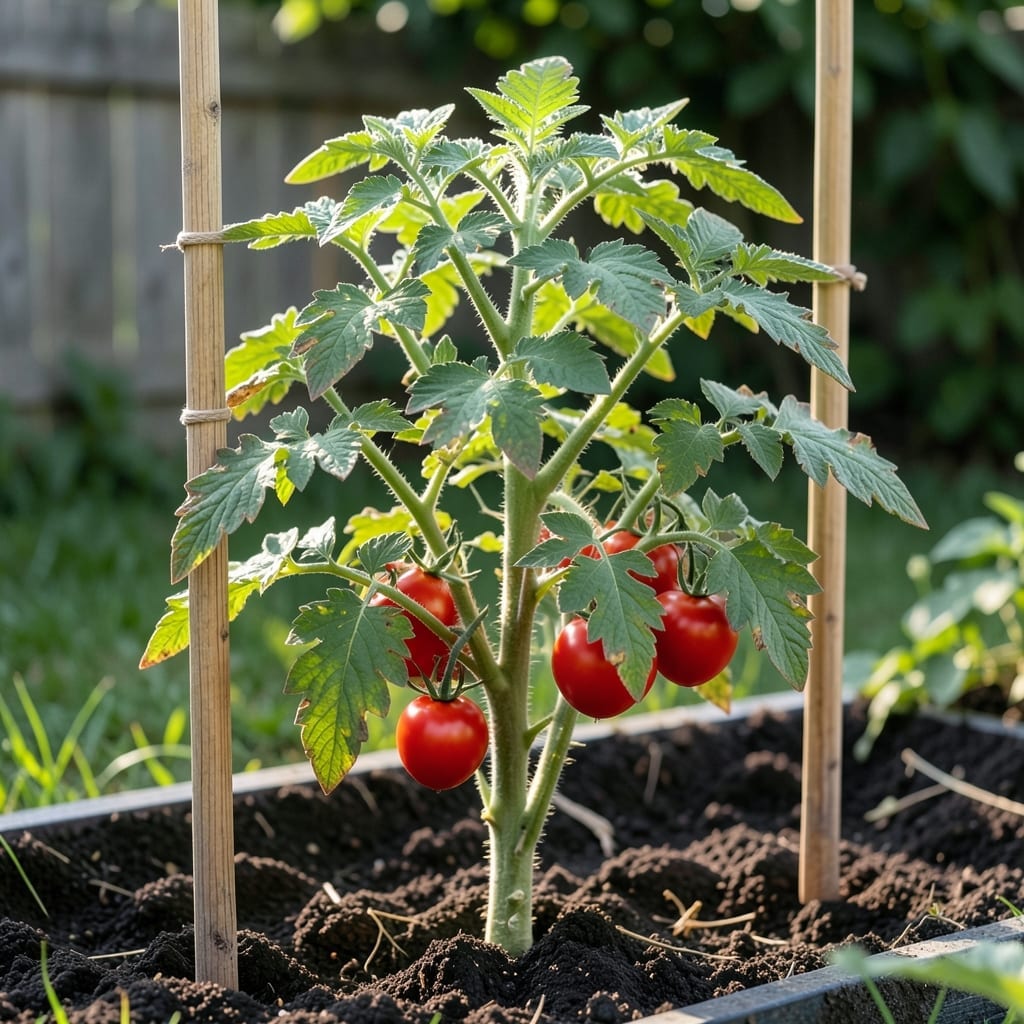
Brown edges on your tomato leaves aren’t just unsightly—they’re your plant’s way of waving a white flag. I’ve seen entire crops turn crispy overnight when this signal gets ignored. The good news? Most causes are reversible if you act fast.
Water stress tops the list, whether it’s too much or too little. But don’t jump to conclusions—nutrient deficiencies, disease, or even sunscald can mimic the same symptoms. I learned this the hard way after blaming my watering schedule for a magnesium shortage.
What follows is a foolproof diagnostic method that pinpoints the exact issue. You’ll spot the difference between underwatering (dry, papery edges) and overwatering (soft, yellowing leaves) within 24 hours of observation.
Works for container plants, in-ground gardens, and every tomato variety. Let’s save those leaves.
The browning of tomato leaves is a distress signal, often tied to environmental or biological stress. Below are the most common culprits, explained with actionable insights.
Extreme temperatures, either heat above 90°F (32°C) or cold snaps below 50°F (10°C), disrupt cellular function in leaves. Heat stress accelerates water loss, leading to scorched, crispy edges, while cold damages chlorophyll, causing uniform browning. Shade cloth or row covers can mitigate these effects.
Both underwatering and overwatering trigger browning. Drought stress causes leaves to curl and crisp as cells dehydrate, while waterlogged roots suffocate, preventing nutrient uptake. Wilting despite moist soil often signals root rot. Aim for consistent moisture—1–2 inches of water per week—and ensure well-draining soil.
Pathogens like Early Blight (Alternaria solani) or Bacterial Spot (Xanthomonas spp.) create brown spots with yellow halos. These thrive in humid, wet conditions. Remove infected leaves immediately, avoid overhead watering, and apply copper-based fungicides preventatively.
A lack of magnesium (interveinal browning) or potassium (scorched leaf margins) often manifests as discoloration. Test soil pH (ideal: 6.0–6.8); amend with Epsom salt (for magnesium) or wood ash (for potassium) if deficiencies are confirmed.
When your tomato leaves start turning brown, quick action can save your plant. Below are targeted fixes for the most common causes, along with prevention tips to keep your garden thriving.
If dry soil is the culprit, water deeply at the base of the plant (not the leaves) to encourage strong roots. Aim for 1–2 inches of water per week, adjusting for rainfall. Prevention tip: 💡 Mulch around the base with straw or wood chips to retain moisture and reduce evaporation.
Soggy roots lead to brown, wilted leaves. Let the top inch of soil dry out between waterings. If your soil is heavy clay, mix in compost or perlite to boost drainage. Prevention tip: 🎯 Use raised beds or containers with drainage holes to avoid waterlogged roots.
Too much direct sunlight can scorch leaves, especially in extreme heat. Use shade cloth (30–50% coverage) during peak afternoon hours. Prevention tip: ✨ Gradually acclimate seedlings to full sun to toughen them up before transplanting.
For early blight or septoria, remove infected leaves and apply a copper-based fungicide or a DIY mix of baking soda and water (1 tbsp per gallon). Prevention tip: 🌡️ Space plants 18–24 inches apart for airflow, and water in the morning so leaves dry quickly.
Check undersides of leaves for aphids, spider mites, or whiteflies. Blast them off with water or use insecticidal soap. Prevention tip: 🎯 Introduce beneficial insects like ladybugs or lacewings to keep pest populations in check.
Yellowing or brown edges often signal a lack of nitrogen, potassium, or magnesium. Use a balanced fertilizer (10-10-10) or add Epsom salt (1 tbsp per gallon of water) for magnesium. Prevention tip: 💡 Test your soil annually and amend with compost for long-term fertility.
Underwatered leaves appear dry and papery with crispy edges. Check soil moisture 2 inches deep—if it’s bone dry, your plant needs water.
Existing brown areas won’t turn green again, but the plant will grow new healthy leaves once the underlying problem is resolved. Focus on preventing further damage.
Remove infected leaves immediately and apply a copper-based fungicide. Improve airflow by pruning dense foliage and watering at the base, not the leaves.
Yes, over-fertilizing can burn roots, leading to brown, crispy leaves. Stick to recommended doses and flush soil with water if you suspect fertilizer burn.