
Beautiful Plants For Your Interior
Beautiful Plants For Your Interior
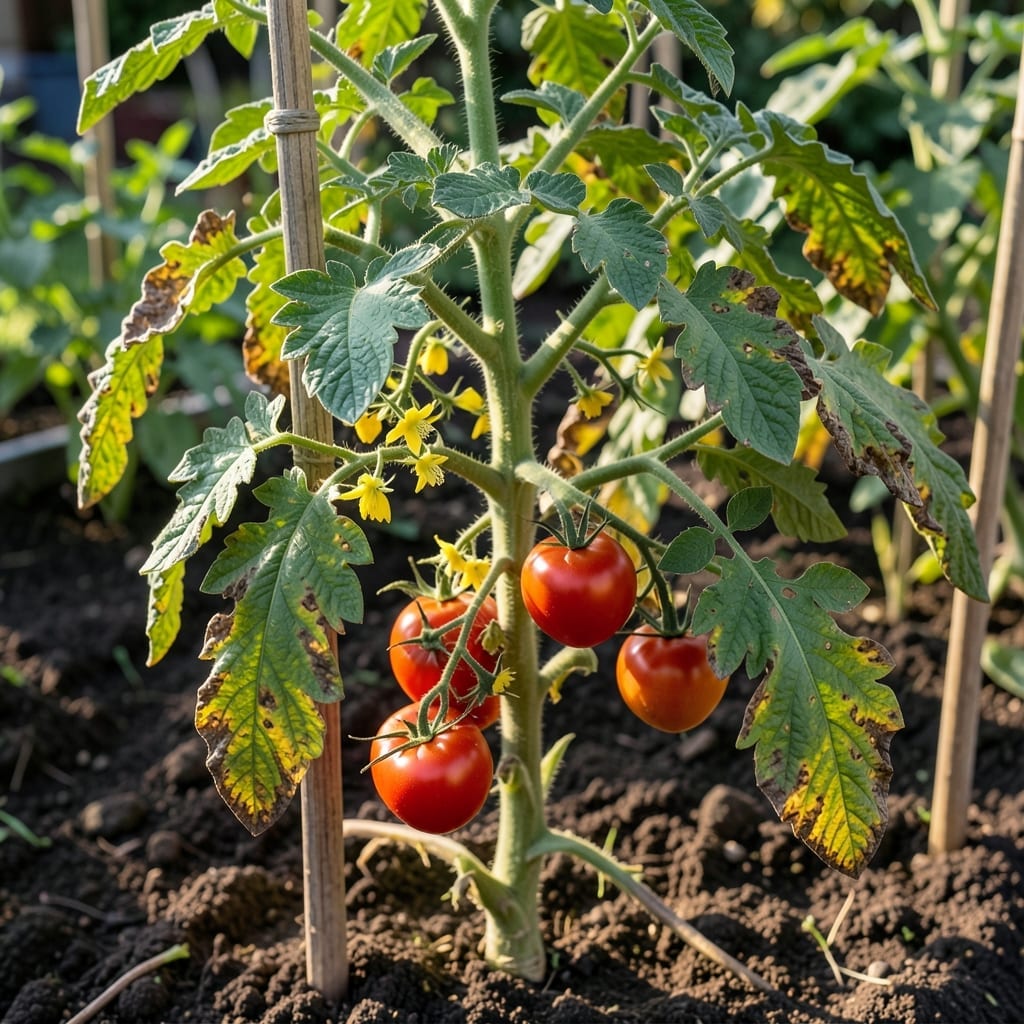
Spotted yellow leaves or sudden wilting can ruin a tomato season fast. I’ve saved countless plants by learning to read these warning signs early—before the damage spreads to the whole garden.
This visual guide helps you match what you’re seeing on your plants to the right problem. No more guessing if it’s a fungus, virus, or just thirst. Clear pictures and simple descriptions make diagnosis quick and accurate.
You’ll find the likely cause, the best immediate action, and how to prevent it next year. Most fixes take minutes once you know what you’re dealing with.
Works for container gardens, raised beds, or in-ground plants. Stop the spread before it’s too late.
Tomato plants are vulnerable to a range of diseases, often triggered by environmental, biological, or cultural factors. Understanding the root causes helps gardeners prevent and manage outbreaks effectively. Below are the primary reasons behind common tomato diseases.
Fungi like Phytophthora infestans (late blight) and Alternaria solani (early blight) thrive in wet, humid conditions. Overhead watering, poor air circulation, and wet foliage create ideal breeding grounds. Spores spread via wind or splashing water, infecting leaves, stems, and fruit.
Bacteria such as Pseudomonas syringae (bacterial speck) and Xanthomonas vesicatoria (bacterial spot) enter through wounds or stomata. Contaminated tools, infected seeds, or splashing rain can introduce these pathogens. Warm, wet weather accelerates their spread.
Insects like aphids, whiteflies, and thrips transmit viral diseases (e.g., tomato yellow leaf curl virus). These pests pierce plant cells while feeding, injecting viruses that disrupt growth and yield. Weak or stressed plants are more susceptible.
Poor garden hygiene, overcrowding, and improper crop rotation encourage disease cycles. Reusing infected soil or failing to remove diseased plants allows pathogens to persist. Nutrient deficiencies (e.g., calcium lack causing blossom end rot) also weaken plant defenses.
Actionable tip: Rotate crops annually, space plants for airflow, and sanitize tools to break disease cycles.
Tackling tomato diseases starts with identifying the issue and applying the right fix. Below are practical solutions for common problems, paired with prevention tips to keep your plants thriving. 🌱
If you spot concentric rings on lower leaves, prune infected foliage immediately to stop the spread. Use copper-based fungicides for severe cases. Prevention: Rotate crops yearly, avoid overhead watering, and ensure good airflow between plants. 💡
Dark, greasy spots on leaves and stems signal late blight. Remove and destroy infected plants—do not compost them. Apply chlorothalonil or copper sprays at the first sign. Prevention: Space plants widely, water at the base, and use resistant varieties like ‘Mountain Merit.’ ✨
Curling leaves with sticky residue? Aphids are likely the culprit. Spray them off with water or use insecticidal soap. Introduce ladybugs for natural control. Prevention: Inspect plants regularly and encourage beneficial insects with companion planting (e.g., marigolds). 🎯
Black, sunken patches on fruit bottoms mean calcium deficiency. Add crushed eggshells or lime to the soil, and maintain consistent moisture. Prevention: Test soil pH (aim for 6.2–6.8) and avoid over-fertilizing with nitrogen. 🌡️
Tiny webs under leaves? Spider mites thrive in hot, dry conditions. Blast leaves with water and apply neem oil weekly. Prevention: Keep humidity up with mulch and avoid drought stress. 💧
Regular monitoring and quick action are key. Pair these fixes with proper sanitation (clean tools, remove debris) to minimize future outbreaks. Stay vigilant, and your tomatoes will thank you! 🍅
Fungal diseases often show as powdery mildew or ringed spots. Bacterial issues appear as water-soaked spots or yellow halos around edges.
Remove infected leaves or plants immediately. Use clean pruners and dispose of debris in sealed bags, not compost.
Remove affected fruit and improve calcium uptake. Consistent watering and crushed eggshells in soil can help future fruit.
Yes! Look for varieties labeled VFN (resistant to verticillium, fusarium, nematodes) or specific types like ‘Mountain Merit’ for blight resistance.