
Beautiful Plants For Your Interior
Beautiful Plants For Your Interior
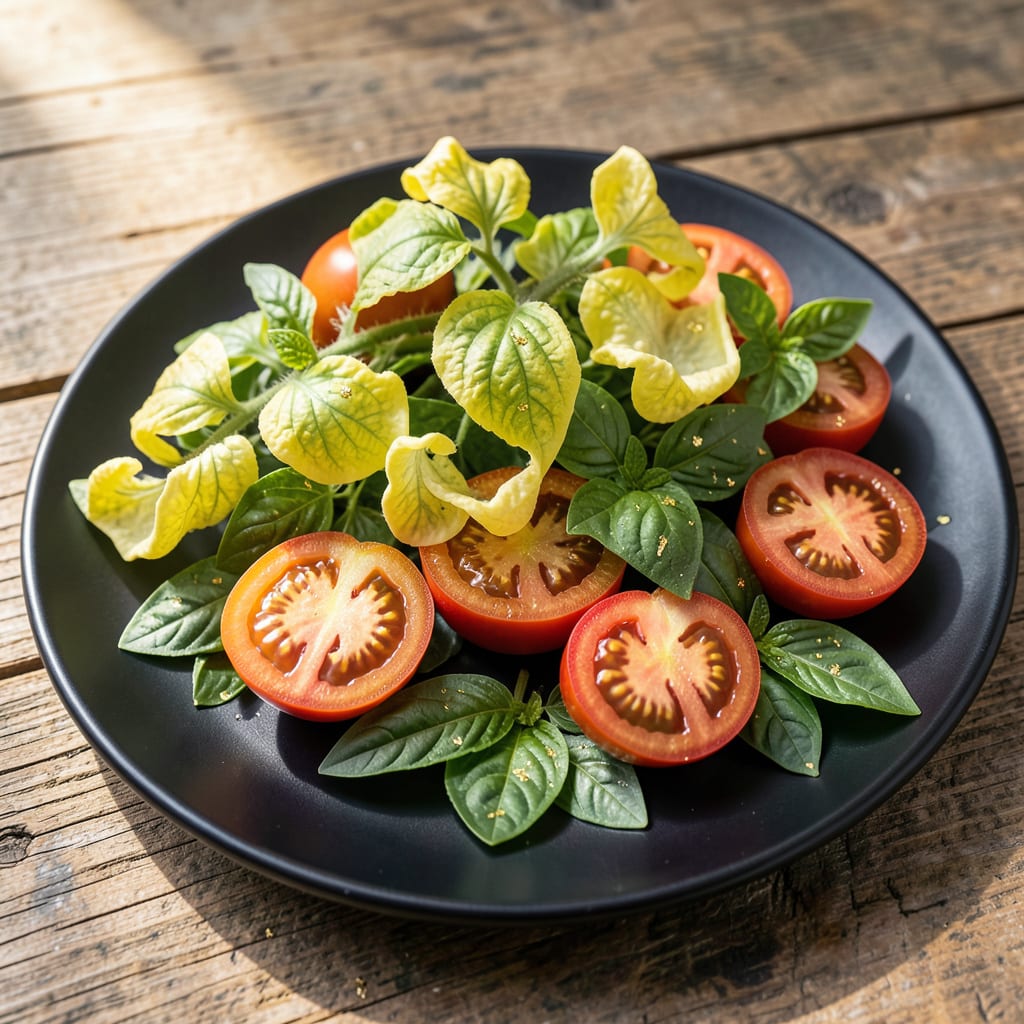
That sick feeling when your tomatoes start curling up. I’ve lost entire crops to this virus before learning how to spot it early and stop the spread.
Yellow leaf curl isn’t just ugly—it’s a death sentence if you don’t act. The leaves twist, turn pale, and your plants stop growing. But here’s the thing—you can save unaffected plants with the right moves.
I now check my plants daily in warm weather, watching for that first telltale curl. Catching it early means the difference between a full harvest and pulling everything up.
This guide shows you exactly what to look for and how to protect your garden. No guesswork, just straight talk about fighting back.
The curling and yellowing of tomato leaves are often symptoms of underlying stress or disease. Below are the primary causes, each with distinct mechanisms affecting plant health.
Tomato Yellow Leaf Curl Virus (TYLCV) is the most common culprit. Transmitted by whiteflies (Bemisia tabaci), this virus disrupts the plant’s vascular system, inhibiting nutrient and water transport. Infected plants exhibit stunted growth, upward leaf curling, and chlorosis (yellowing) due to impaired photosynthesis.
Whiteflies, aphids, and spider mites sap plant juices, weakening tomatoes and introducing toxins or pathogens. Whiteflies, in particular, are vectors for TYLCV. Their feeding stress triggers leaf curling as the plant attempts to conserve moisture and reduce damage.
Extreme heat, drought, or overwatering can cause physiological stress. Heat stress (>90°F) accelerates transpiration, leading to leaf edges curling inward to minimize water loss. Overwatering suffocates roots, reducing nutrient uptake and causing yellowing. Conversely, drought stress disrupts cellular function, manifesting as curled, brittle leaves.
Imbalances in essential nutrients—particularly magnesium (interveinal chlorosis), potassium (leaf edge scorching), or nitrogen (uniform yellowing)—can trigger curling. Magnesium deficiency, for example, impairs chlorophyll production, while potassium deficiency weakens cell walls, causing leaves to curl and cup.
Exposure to herbicides like 2,4-D or glyphosate (even in trace amounts from drift) can induce abnormal growth. These chemicals act as synthetic auxins, overstimulating cell elongation in leaves, which results in twisted, curled, or cupped foliage. Symptoms often appear within days of exposure.
Dealing with yellow, curling leaves on your tomatoes? Here’s how to tackle the most common causes and restore your plants to health.
If the issue is Tomato Yellow Leaf Curl Virus (TYLCV), infected plants cannot be cured. Pull them up immediately (roots and all) and dispose of them in sealed bags—do not compost. Disinfect tools with rubbing alcohol. To prevent spread, use virus-resistant tomato varieties (like ‘Volgograd’ or ‘TY-20’) and control whiteflies, the primary carriers, with yellow sticky traps or neem oil.
For heat or drought stress, water deeply at the base in the early morning (avoid wetting leaves) and add mulch to retain moisture. If temperatures soar above 90°F, provide shade cloth during peak hours. Overwatering? Let the soil dry slightly between waterings and ensure pots have drainage holes.
Yellowing often signals a lack of nitrogen, magnesium, or iron. Test your soil, then amend accordingly: use a balanced fertilizer (10-10-10) for nitrogen, Epsom salt (1 tbsp/gallon of water) for magnesium, or chelated iron for iron deficiency. Avoid over-fertilizing—follow package instructions!
💡 Pro Tip: Foliar sprays (like seaweed extract) can give plants a quick nutrient boost.
Whiteflies, aphids, and spider mites sap plant strength. Blast them off with water, then apply insecticidal soap or neem oil (spray in the evening to avoid leaf burn). For severe cases, introduce beneficial insects like ladybugs. Prevent future outbreaks by rotating crops and keeping the garden free of weeds and debris.
No, virus-infected plants can’t be cured. Remove them immediately to prevent spreading to healthy ones.
Use yellow sticky traps and apply neem oil weekly. Introduce beneficial insects like ladybugs for natural control.
Water deeply at the base early morning, 2-3 times weekly. Avoid wetting leaves to reduce disease risk.
Try ‘Volgograd’ or ‘TY-20’—both show strong resistance to the virus. Always check seed labels for disease resistance.
