
Beautiful Plants For Your Interior
Beautiful Plants For Your Interior
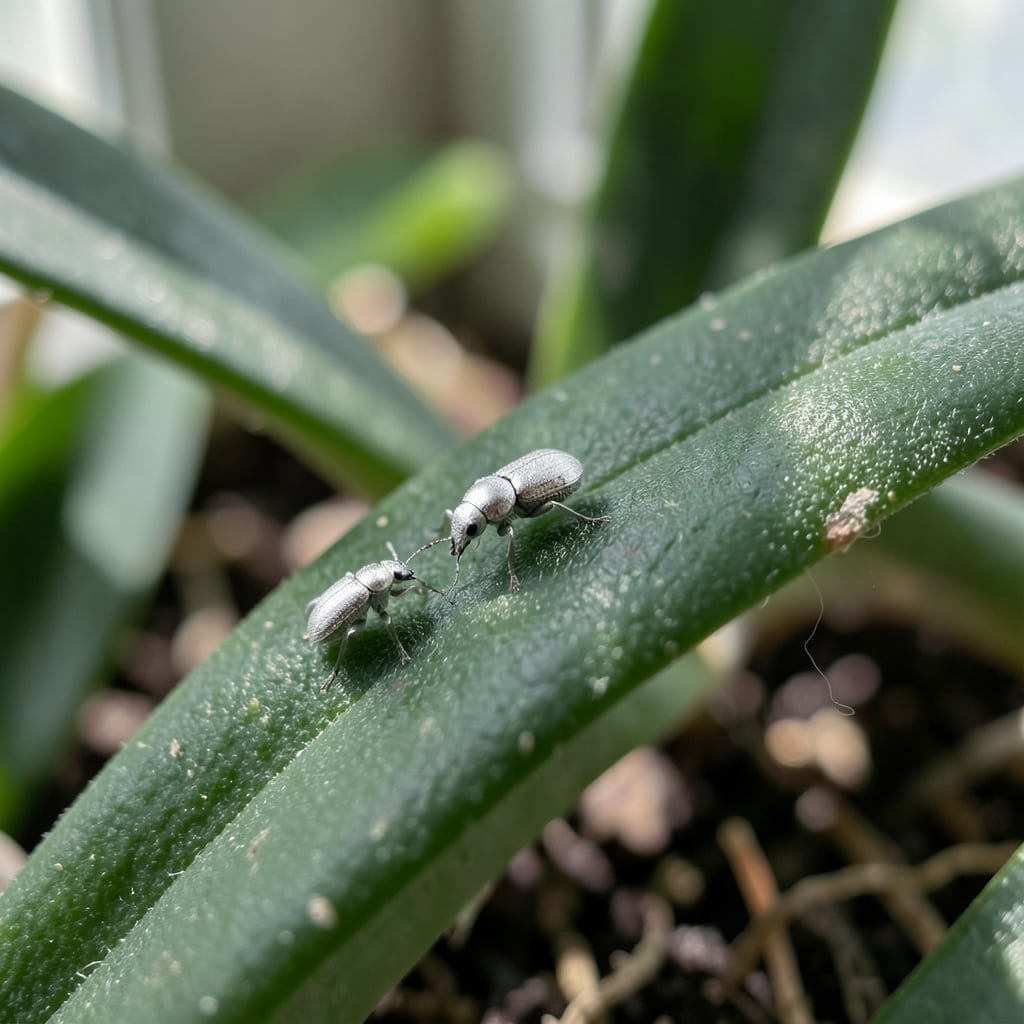
Spotted tiny silver bugs on your orchid leaves? Don’t panic—this is a common issue that’s completely fixable. I first noticed these pests on my phalaenopsis last spring, and they spread faster than you’d expect.
These are likely thrips, tiny insects that scrape plant tissue and leave silvery streaks. They love orchids because of the soft leaves and hidden nooks. Left unchecked, they’ll stunt growth and damage blooms before you even realize the extent.
Here’s the thing—you can treat this without harsh chemicals. A soapy water spray or neem oil works wonders, and I’ve had great success with both. The key is catching them early and being consistent.
With the right approach, your orchid will bounce back stronger. We’ll cover identification, treatment, and how to keep them from coming back.
Tiny silver bugs in orchids often appear due to specific environmental or care-related triggers. Below are the most common causes, explained with actionable insights to help you address the root issue.
Orchids thrive in humid conditions, but excessive moisture combined with stagnant air creates the perfect breeding ground for silver-colored pests like springtails or thrips. These bugs are attracted to damp potting media, decaying organic matter, or waterlogged roots. To prevent this, ensure your orchid’s environment has consistent airflow (e.g., a small fan on low) and avoid overwatering.
Silver bugs often feed on decomposing plant material, such as old bark, dead roots, or accumulated leaf litter in the pot. If your orchid’s potting mix contains unsterilized organic media (e.g., sphagnum moss or bark chunks), it may harbor eggs or larvae. Repot your orchid every 1–2 years with fresh, sterile mix to eliminate hiding spots for pests.
Using non-sterile water (e.g., tap water with high mineral content) or unclean tools can introduce silver bugs or their eggs. These pests hitchhike on contaminated pruners, pots, or even water droplets. Always sterilize your tools with rubbing alcohol and use filtered or distilled water to reduce the risk of infestation.
Silver bugs thrive in warm, stable environments (70–80°F). Sudden temperature drops or poor climate control can stress your orchid, making it more susceptible to pests. Keep your orchid in a consistent temperature zone and away from drafts or direct heat sources to deter bug activity.
Dealing with tiny silver bugs in your orchid can feel frustrating, but these practical solutions will help you reclaim your plant’s health. Below are targeted fixes for common causes, paired with prevention tips to keep your orchids bug-free.
Silver bugs, like springtails or thrips, thrive in damp conditions. Repot your orchid in fresh, well-draining mix (e.g., bark or sphagnum moss with perlite). Water only when the top inch of the medium is dry. Prevention tip: 💡 Use a fan to improve air circulation around your orchids, especially in humid environments.
Decaying leaves or old potting mix attract pests. Remove dead plant matter and rinse the orchid’s leaves with a damp cloth. For stubborn bugs, use a mild insecticidal soap (1 tsp per quart of water) and spray the plant weekly until pests disappear. Prevention tip: ✨ Regularly inspect and clean your orchid’s pot and growing area to deter future infestations.
A stressed orchid is more vulnerable to pests. Boost its resilience by ensuring it gets the right light (bright, indirect), temperature (65–80°F), and fertilizer (balanced, diluted to half strength). Healthy orchids fend off pests better. Prevention tip: 🎯 Quarantine new plants for 2–3 weeks to avoid introducing pests to your collection.
If you prefer to avoid harsh chemicals, neem oil (mixed with water and a drop of dish soap) is a safe, effective option. Apply in the evening to avoid leaf burn. Prevention tip: 🌿 Reapply every 7–10 days or after rain to maintain protection.
Yes, they can damage your plant by feeding on its sap and tissue. Left untreated, they may cause stunted growth, yellowing leaves, or even bud drop. Act quickly to prevent long-term harm.
Check for silvery streaks or black specks (their droppings) on leaves. Thrips are slender, fast-moving, and often hide in flower buds or leaf sheaths. A magnifying glass helps spot them.
Yes, dabbing 70% isopropyl alcohol on a cotton swab and wiping leaves kills them on contact. Test on a small area first to avoid leaf damage. Repeat every 2-3 days until gone.