
Beautiful Plants For Your Interior
Beautiful Plants For Your Interior
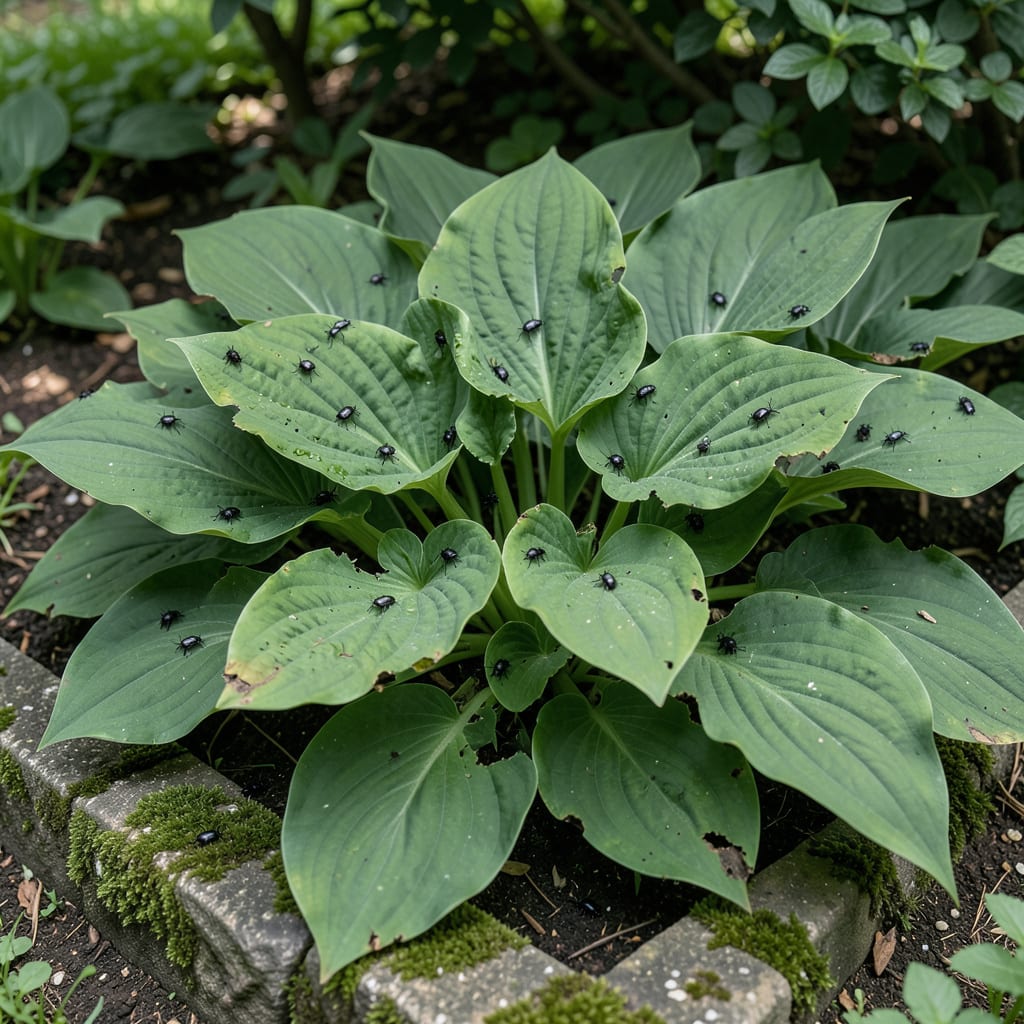
Watching bugs turn your hostas into lace is heartbreaking. I’ve lost entire plants overnight to slugs and deer, but the real culprits are often smaller pests you can’t see until it’s too late.
First step is identifying the enemy: slugs leave silvery trails, while beetles and caterpillars chew ragged holes. The damage tells you exactly what you’re dealing with and how to fight back.
Natural solutions like beer traps for slugs or neem oil for beetles work surprisingly well. A simple evening patrol with a flashlight can save your garden before the infestation spreads.
Prevention is easier than cure. Healthy soil and proper spacing keep hostas resilient against most pests. Start protecting them tonight—your plants will thank you.
Hostas are a favorite target for leaf-eating bugs, and there are scientific reasons why these plants are so appealing to pests. Understanding these causes can help you take targeted action to protect your garden.
Hostas thrive in shady, moist environments, which also create ideal conditions for soft-bodied pests like slugs and snails. Their leaves retain water, making them a juicy, easy-to-digest meal. The high moisture content also attracts earwigs and caterpillars, which feed on tender foliage.
Hostas have large, soft leaves packed with nutrients, making them a prime target for chewing insects. Japanese beetles and deer (yes, they’re not bugs but still a threat!) are drawn to the high protein and sugar content. Even aphids pierce the leaves to suck out sap, weakening the plant further.
Unlike some plants that produce bitter compounds or strong scents to repel pests, hostas lack built-in defenses. This makes them an easy, unprotected food source. Without natural deterrents, pests like slashers (sawfly larvae) and leaf miners can munch undisturbed.
Hostas are often planted in shaded, mulched areas—perfect hiding spots for pests. Slugs and snails thrive under mulch, while beetles and caterpillars lay eggs in the soil nearby. The dense foliage also provides cover, allowing pests to feed without exposure to predators.
By addressing these factors—reducing moisture, adding deterrents, or improving air circulation—you can make your hostas less inviting to hungry bugs.
Dealing with bugs munching on your hostas can be frustrating, but these practical solutions will help you restore your garden’s health.
These slimy culprits love hosta leaves. Go out at night with a flashlight and manually remove them. For a long-term fix, create barriers like copper tape around pots or sprinkle diatomaceous earth around plants. Pro tip: 💡 Beer traps ( bury a shallow dish filled with beer) can also lure and drown slugs.
These metallic-green beetles skeletonize leaves quickly. Spray neem oil (mix 1 tbsp oil + 1 tsp dish soap + 1 quart water) on leaves at dusk. Alternatively, plant trap crops like marigolds or roses nearby to divert them. Prevention: ✨ Remove beetles by hand in early morning when they’re sluggish.
Tiny but destructive, spider mites cause stippled, yellowing leaves. Blast them off with a strong water spray every few days. For severe infestations, apply insecticidal soap (follow label instructions). Prevention: 🌡️ Keep hostas well-watered—mites thrive in dry conditions.
Aphids cluster on new growth, sucking plant juices. Mix 1 tsp mild liquid soap + 1 quart water and spray directly on aphids. For a hands-off approach, introduce ladybugs or lacewings—natural predators that keep aphid populations in check. Pro tip: 🎯 Plant aphid-repelling herbs like mint or chives nearby.
General prevention: Maintain garden hygiene by removing debris where pests hide, and inspect plants regularly to catch issues early.
Check the damage patterns: slugs leave silvery trails and irregular holes, while beetles create ragged edges. Sawfly larvae make smooth-edged cuts between veins.
Early morning or dusk works best for most treatments, as pests are most active then. For slugs, apply barriers after rain when they’re most active.
Yes! Plant marigolds to deter beetles or mint to repel aphids. These natural solutions help protect your hostas without chemicals.
Using the same treatment repeatedly lets pests build resistance. Rotate methods like handpicking, barriers, and sprays for best results.
