
Beautiful Plants For Your Interior
Beautiful Plants For Your Interior
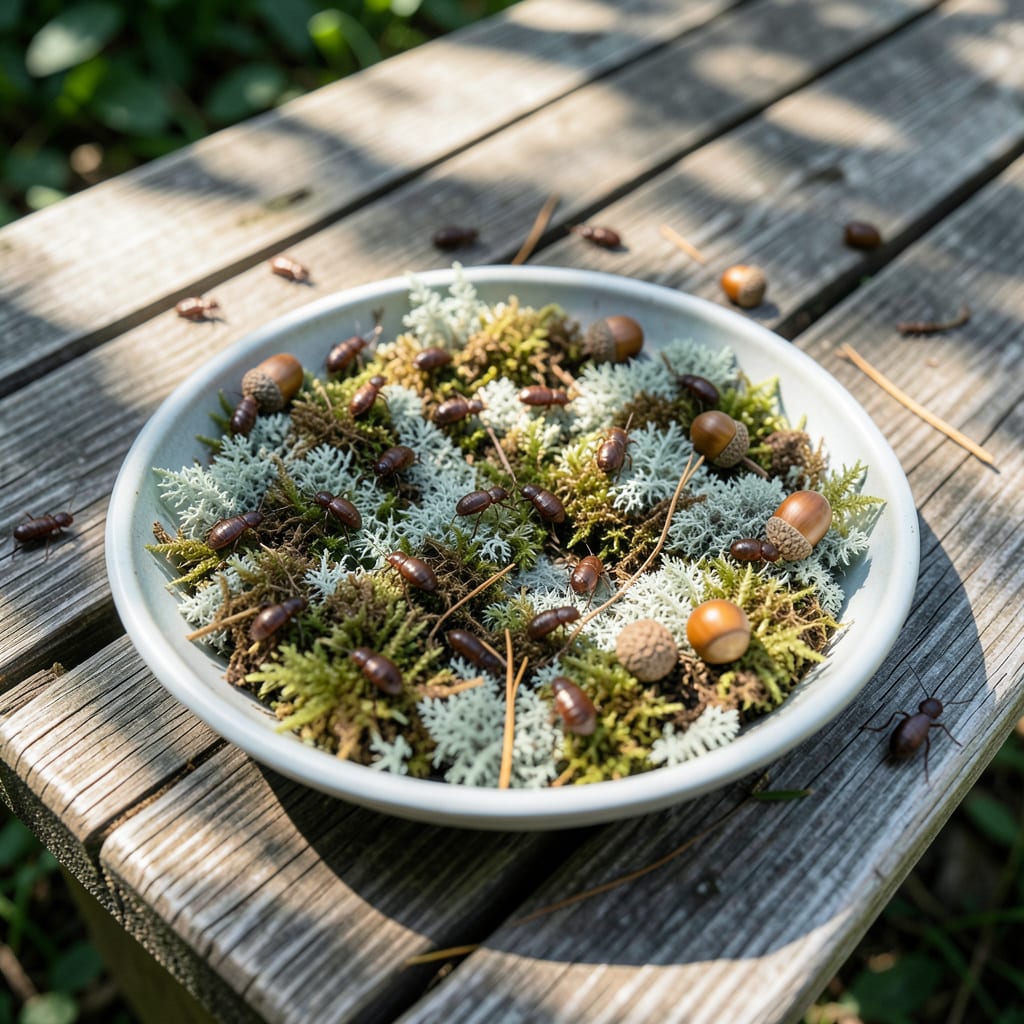
Spotted tiny brown bugs taking over your garden? I’ve been there—one day your plants look fine, the next they’re covered in these pests, and you’re left wondering what they are and how to stop them.
Most tiny brown bugs are aphids, mites, or thrips, and they all love to suck the life out of your plants. The good news? You can spot them early with a little observation and a magnifying glass.
I’ll walk you through identifying these pests and share the eco-friendly fixes that actually work. No harsh chemicals, just simple, effective solutions.
With the right approach, you can protect your garden and keep those bugs from coming back. Here’s how to tackle them fast.
Tiny brown bugs outside often appear due to environmental or biological triggers. Here are the most common causes, explained simply:
Dense plant growth provides shelter and moisture, attracting bugs like aphids, mites, or springtails. Decaying leaves and mulch also create ideal breeding grounds for decomposers.
Standing water, poor drainage, or frequent rain can lead to outbreaks of fungus gnats or clover mites. These pests thrive in damp soil and organic matter.
Piles of leaves, wood, or compost act as food sources for earwigs and booklice. Removing debris disrupts their lifecycle and reduces populations.
Warm, humid weather accelerates reproduction in many species, while cooler temperatures may drive bugs like boxelder bugs to seek shelter near homes.
Dealing with tiny brown bugs in your yard or garden doesn’t have to mean reaching for harsh chemicals. Here’s how to tackle the most common causes with simple, eco-friendly fixes.
Dense plants and leaf litter create perfect hiding spots. Rake up debris, mow tall grass, and prune overgrown bushes to remove their habitats. Store firewood at least 20 feet from your home and elevate it off the ground to discourage nesting.
Prevention tip: 💡 Keep your yard tidy with regular maintenance, especially in fall when bugs seek shelter.
Many tiny brown bugs (like springtails or clover mites) thrive in damp areas. Fix leaky hoses, empty saucers under potted plants, and ensure downspouts direct water away from your foundation. For persistent damp spots, spread diatomaceous earth (food-grade) to absorb moisture and deter pests.
Prevention tip: 🌡️ Use a dehumidifier in basements or crawl spaces if moisture is seeping outdoors.
Bugs love cozy, undisturbed mulch. Replace thick mulch layers (over 2 inches) with cedar chips—natural oils repel pests. For soil-dwelling bugs, neem oil spray (mixed with water) disrupts their life cycle without harming plants.
Prevention tip: ✨ Rotate mulch annually and avoid piling it against your home’s siding.
Check for cracks in foundations, gaps under doors, or torn screens. Seal openings with caulk or weatherstripping, and install door sweeps. For a temporary barrier, sprinkle food-grade diatomaceous earth along thresholds—it’s harmless to pets but deadly to bugs.
Prevention tip: 🎯 Inspect your home’s exterior seasonally, especially before winter.
Many tiny brown bugs like aphids and mites can damage plants by sucking sap. They often leave curled leaves or sticky residue. Check undersides of leaves for clusters.
Remove leaf litter, trim overgrown plants, and fix moisture issues. Use cedar mulch and neem oil as natural deterrents. Regular yard maintenance helps.
Some species like clover mites or boxelder bugs may enter through cracks. Seal gaps with caulk and install door sweeps. Diatomaceous earth creates a safe barrier.
