
Beautiful Plants For Your Interior
Beautiful Plants For Your Interior
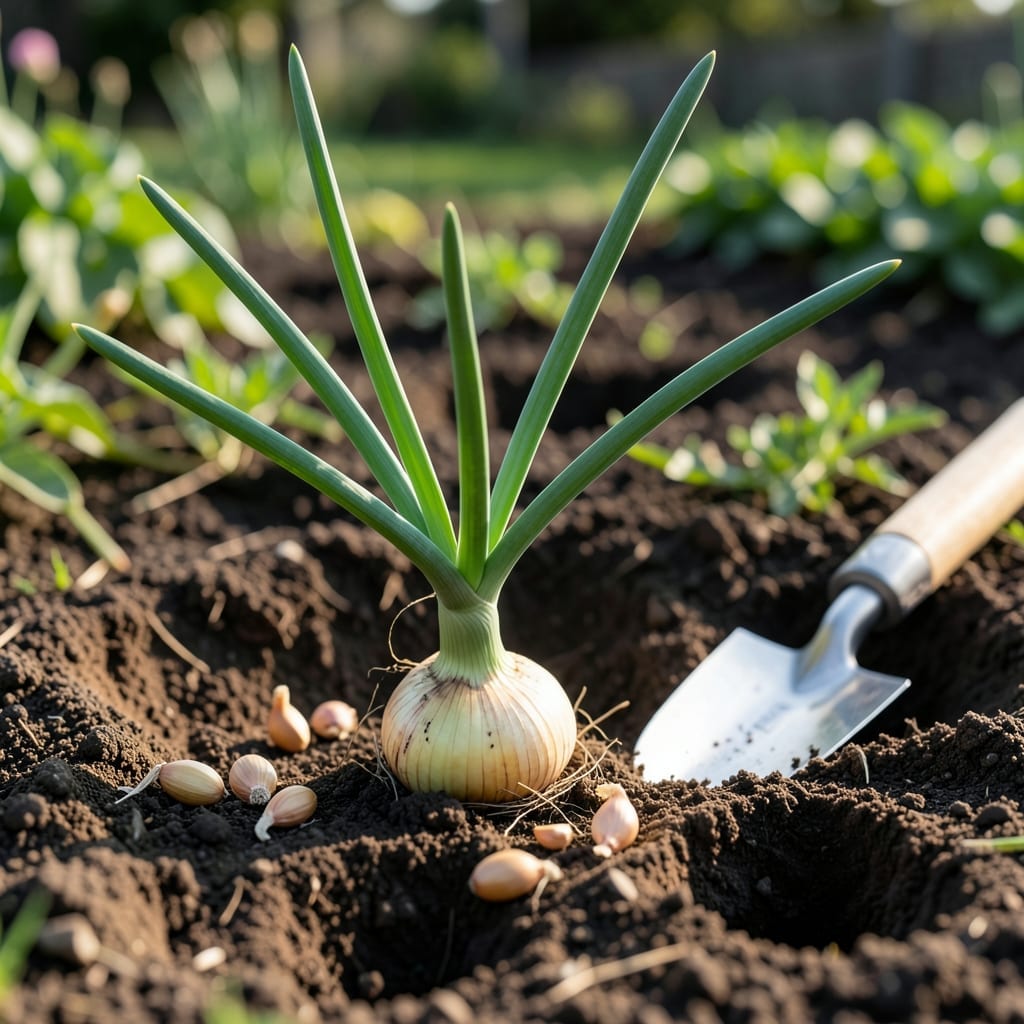
Knowing the exact time to plant onions can mean the difference between a bountiful harvest and disappointing results. Plant too early or too late, and you risk stunted bulbs or poor growth.
For those in Zone 6, the 🧅 onion planting window typically falls between March and April. This timing ensures the soil has warmed enough to support healthy growth.
But it’s not just about the calendar – you’ll also need to consider soil temperature and local climate conditions. These factors play a key role in determining your success.
Let me walk you through how to pinpoint the perfect planting time for your area and onion variety. The right start leads to bigger, healthier bulbs come harvest time.


Timing is everything when it comes to growing onions. The best planting window depends on your USDA hardiness zone and the onion variety you choose. Short-day, long-day, and day-neutral types all have specific needs.
In warmer zones like 9-10, you can plant onions as early as fall or winter, while cooler zones like 3-5 should wait until early spring after the last frost. Soil temperature is key—aim for 50-60°F for seeds and 45-55°F for sets.
| Zone | Onion Type | Planting Window | Notes |
|---|---|---|---|
| 3-5 | Long-day | Early spring | Plant as soon as soil is workable |
| 6-7 | Day-neutral | March-April | Best for mild climates |
| 8-10 | Short-day | Fall-Winter | Avoid extreme heat |
For short-day onions, which thrive in southern zones, plant in fall or winter to allow bulbs to mature before summer heat arrives. These varieties need 10-12 hours of daylight to form bulbs properly.
Long-day onions are ideal for northern gardens where daylight exceeds 14-16 hours in summer. Plant these in early spring so they can take advantage of the long growing season.
If you’re unsure which type to grow, day-neutral onions are a versatile choice. They perform well in zones 5-7 and can tolerate a range of daylight hours, making them perfect for intermediate climates.
Soil preparation is just as important as timing. I always loosen the soil to a depth of 12 inches and mix in compost or aged manure before planting. This ensures good drainage and provides the nutrients onions need for healthy bulb development.
Remember, onion sets are easier to plant than seeds but may produce smaller bulbs. For the best results, I recommend starting seeds indoors 8-10 weeks before transplanting them outside. This gives them a head start in cooler climates.
Finally, keep an eye on the weather forecast. A sudden late frost can damage young onion plants, so be prepared to cover them with row covers or cloches if temperatures drop unexpectedly.
With the right timing and care, you’ll be rewarded with plump, flavorful onions that store well for months. The key is understanding your local climate and choosing the best variety for your area 🌱
Timing your onion planting right starts with knowing your variety. Short-day onions thrive in southern regions with mild winters, while long-day types prefer northern climates with longer summer daylight. 🌱
For most gardeners, day-neutral onions offer flexibility, performing well across many zones. The key is matching your onion type to your region’s daylight hours during the growing season.
I always check my local frost dates first. In Zone 6, I can plant onion sets about 4 weeks before the last expected frost, usually around early March. This gives them time to establish before warm weather arrives. ✂️
For seed-started onions, begin indoors 8-10 weeks before your last frost date. This head start ensures strong plants ready for transplanting when soil conditions are right.
Remember that soil temperature matters more than calendar dates. Use a soil thermometer to confirm your ground has reached at least 50°F at 4-inch depth before planting. 🌡️
Finally, consider your harvest goals. If you want green onions, you can plant later in spring. For mature bulbs, earlier planting gives the best results in most regions.