
Beautiful Plants For Your Interior
Beautiful Plants For Your Interior
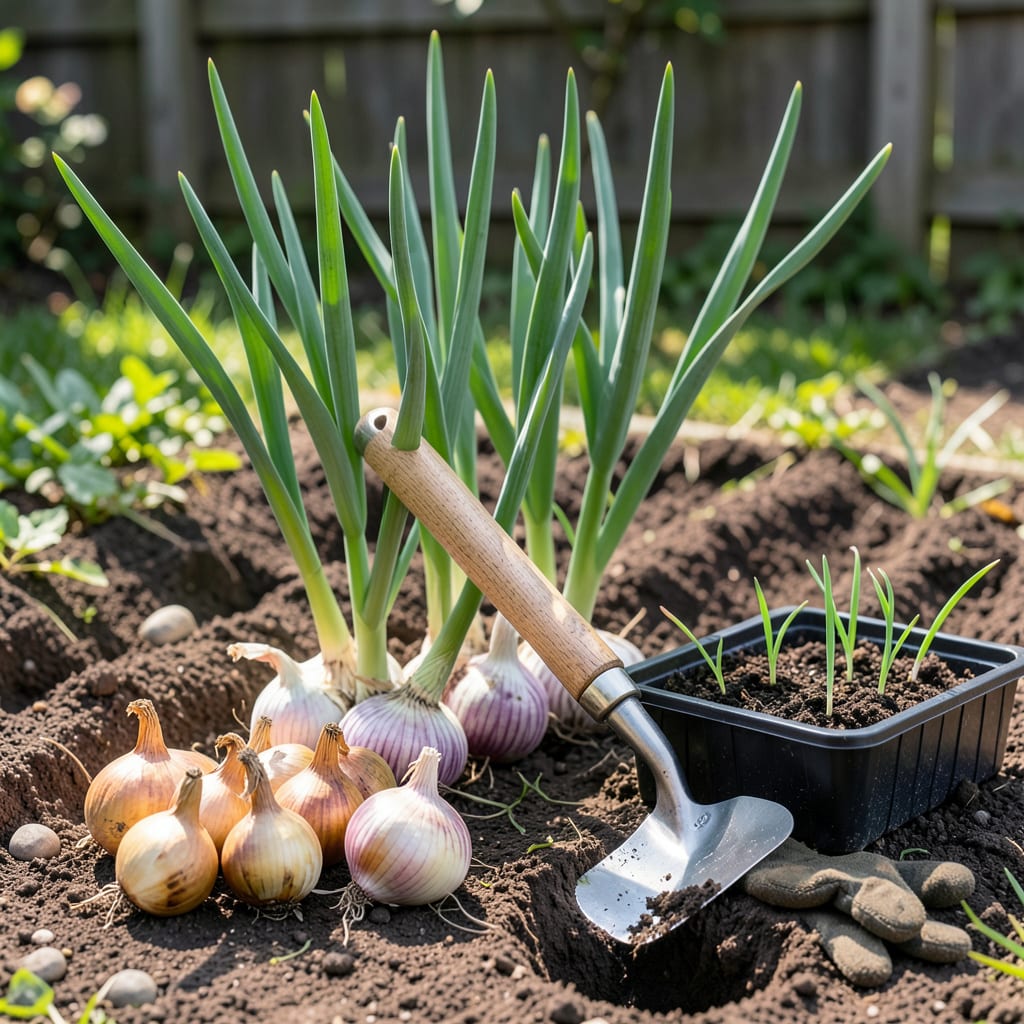
Timing your 🧅 onion planting in Zone 5 can mean the difference between puny bulbs and a bumper harvest. Plant too early, and frost might wipe out your crop; wait too long, and your onions won’t mature before winter hits.
I’ve tested both spring and fall planting windows here, and the results might surprise you. Whether you’re aiming for sweet summer onions or hearty storage varieties, nailing the timing is the key. Let’s break down exactly when to get those sets in the ground for success.
If you’re growing onions in Zone 5, nailing the planting window is critical. The difference between a bountiful harvest and a disappointing one often comes down to timing. In Zone 5, we have two prime planting opportunities: early spring and late summer for fall harvests.
Spring planting should happen 4-6 weeks before the last frost, which is around April 15 for most of Zone 5. Fall planting, on the other hand, needs to be timed so bulbs mature before the first frost (typically October 15). Let’s break it down.
| Season | Planting Window | Soil Temp | Variety |
|---|---|---|---|
| Early Spring | March 1 – April 1 | 50°F+ | Long-day |
| Late Summer | August 1 – September 1 | 50°F+ | Short-day |
Note: Adjust dates by 1-2 weeks based on microclimate and frost patterns.
For spring planting, I recommend starting onion sets or transplants as soon as the soil is workable—usually late March to early April. If you’re sowing seeds, begin indoors 8-10 weeks before transplanting to give them a head start. The goal is to have bulbs form as daylength increases.
Fall-planted onions thrive when set out 6-8 weeks before the first frost. This gives them time to establish roots before winter. In Zone 5, that means mid-August through early September. Choose short-day varieties like ‘Texas Early White’ or ‘Red Burgundy’ for fall crops.
Soil temperature is another key factor. Onions prefer soil above 50°F for germination and growth. Use a soil thermometer to check—if it’s too cold, seeds or sets will rot. A light mulch of straw can help warm the soil in early spring or insulate roots in fall.
Daylength plays a huge role in bulb formation. Long-day onions need 14-16 hours of daylight to bulb, making them ideal for spring planting. Short-day varieties bulb with 10-12 hours of light, perfect for fall crops. Planting the wrong type can lead to small bulbs or no bulbs at all.
If you’re aiming for overwintering onions, plant in late September to early October. Use cold-hardy varieties like ‘Walla Walla’ or ‘Egyptian Walking Onions’. Mulch heavily with straw or leaves to protect them through Zone 5 winters. They’ll resume growth in early spring for a June harvest.
Remember, onions are heavy feeders. Work in compost or aged manure before planting, and side-dress with a balanced fertilizer (10-10-10) when plants are 6 inches tall. Consistent moisture is also critical—1 inch of water per week keeps bulbs growing steadily without splitting.
Finally, keep an eye on the weather forecast. If a late frost threatens after spring planting, cover seedlings with frost cloth. For fall crops, be ready to add extra mulch if an early cold snap is predicted. With the right timing and care, you’ll be pulling up plump, sweet onions in no time! 🌱
Getting your soil ready is half the battle when growing onions in Zone 5. I’ve found that onions thrive in loose, well-draining soil with a pH of 6.0–7.0. Start by working in 2–3 inches of compost or aged manure to boost fertility.
If your soil is heavy clay, mix in sand or peat moss to improve drainage. Onions hate waterlogged roots, so raised beds can be a game-changer in Zone 5’s unpredictable springs. A soil test is worth the effort—it’ll tell you if you need to adjust pH or add nutrients.
Warm your soil faster in early spring by covering the bed with black plastic for 1–2 weeks before planting. This trick can give you a 2-week head start!
When planting onion sets, push them 1 inch deep and 4–6 inches apart. For transplants, space them 6 inches apart in rows 12 inches apart. If sowing seeds, plant ¼ inch deep and thin to 4 inches later.
Mulching is non-negotiable in Zone 5. A 2-inch layer of straw helps regulate soil temperature, retains moisture, and suppresses weeds. In fall, increase mulch to 4–6 inches to protect overwintering onions from freezing temps.
Onions are shallow-rooted, so consistent moisture is key. Aim for 1 inch of water per week, either from rainfall or irrigation. Drip irrigation works best—it keeps foliage dry, reducing disease risk. Avoid overhead watering, especially in humid Zone 5 summers.
Finally, don’t skip the fertilizer. At planting, mix in a balanced 10-10-10 or high-phosphorus 5-10-10 fertilizer. Side-dress with nitrogen when plants are 6 inches tall, but stop fertilizing once bulbs start forming. Too much nitrogen late in the season leads to small bulbs.
With the right prep, your onions will grow faster and larger—ready for harvest in just 90–110 days. Keep an eye out for pests like onion maggots and remove any yellowing leaves promptly to prevent disease. Happy planting! 🌱
Even experienced gardeners can sabotage their 🧅 onion crops in Zone 5 with simple oversights. After years of trial and error, I’ve pinpointed the three biggest mistakes that lead to stunted bulbs or total failure. The good news? They’re all preventable with a little know-how.
First up: planting at the wrong time. Zone 5’s short growing season means timing is everything. Plant too late in spring, and bulbs won’t mature before summer heat. Plant too early in fall, and frost may kill sets before they establish. Both scenarios equal tiny, underdeveloped onions.
Another critical error is skipping soil prep. Onions demand loose, fertile soil with a pH of 6.0–7.0. If you plant in compacted or nutrient-poor soil, bulbs stay small. I always mix in 2–3 inches of compost and a balanced fertilizer (10-10-10) before planting.
Overwatering is the third common pitfall. While onions need consistent moisture, soggy soil causes rot. Aim for 1 inch of water per week, and always water at the base of plants—never overhead. Drip irrigation works best in Zone 5’s humid summers to keep foliage dry and disease-free.
If you’ve already made these mistakes, don’t panic. For late-planted fall onions, add 4–6 inches of straw mulch to insulate roots. For waterlogged plants, improve drainage by mounding soil around bases. And if you planted the wrong variety? Focus on green onions instead of bulbs—they’ll still be edible!
Next season, keep a gardening journal to track planting dates, soil temps, and varieties. Note what worked (and what didn’t) to refine your approach. With these fixes, you’ll avoid the most common Zone 5 onion failures and grow your best crop yet! 🌱
Yes, but with caution. Onions are cold-hardy and can tolerate light frosts, so you can plant sets 4-6 weeks before your last frost date (around April 15 in Zone 5). Just avoid planting when the ground is still frozen or waterlogged.
Spring-planted onions (usually long-day varieties) mature in late summer and are ideal for storage. Fall-planted onions (typically short-day) mature the following spring and tend to be sweeter. Fall crops also require 6-8 weeks before first frost to establish.
Apply a 4-6 inch layer of straw mulch after the ground freezes to insulate the soil. Avoid piling mulch directly against stems to prevent rot. In early spring, gently rake back mulch to allow new growth. Cold-hardy varieties like ‘Walla Walla’ handle Zone 5 winters well.
Small bulbs usually result from planting the wrong variety for your daylight hours, overcrowding, or late planting. Ensure you’re using long-day varieties for spring and short-day for fall. Space sets 4-6 inches apart and plant on time.
Start seeds indoors 8-10 weeks before transplanting (late February for spring crops). Use a heat mat to maintain soil temps above 70°F for germination. Transplant outdoors when seedlings are 4-6 inches tall and soil is 50°F+. Seeds offer more variety options than sets.
