
Beautiful Plants For Your Interior
Beautiful Plants For Your Interior
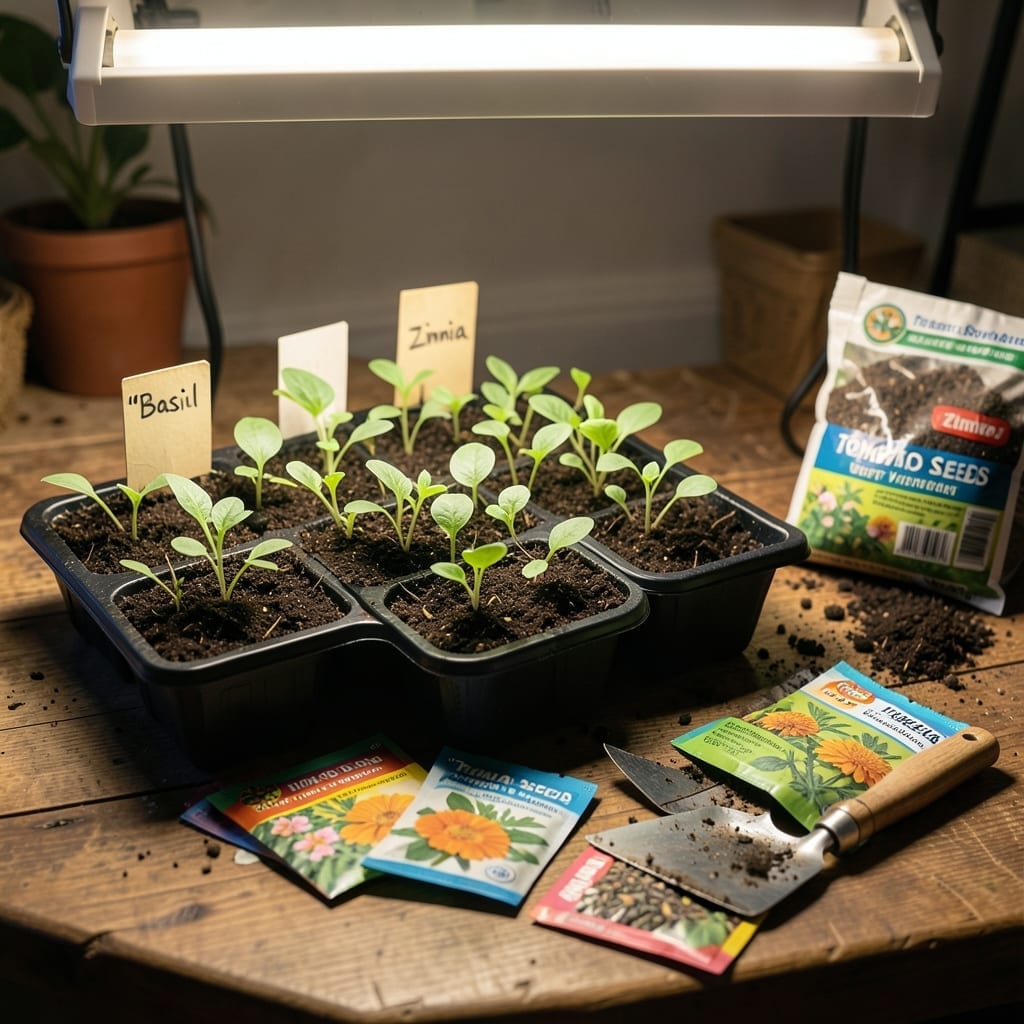
Timing is everything when starting General Seedlings 🌱 indoors in Zone 7. Plant too early and you risk leggy seedlings, too late and you miss the growing season.
This guide reveals the exact planting calendar to maximize your garden’s potential. I’ll show you how to align your efforts with Zone 7’s unique climate.
Discover the optimal window for starting your seeds and the key considerations that make all the difference for healthy, thriving plants.
In Zone 7, your last frost date is typically around April 15. This means you should start most seeds indoors 6-8 weeks before this date to give them a strong head start before transplanting outdoors.
For cool-season crops like broccoli and cabbage, begin sowing indoors as early as late January to early February. These plants thrive in cooler temperatures and can often tolerate light frosts once transplanted.
| Plant Type | Start Indoors | Transplant Outdoors |
|---|---|---|
| Tomatoes | Mid-February | After last frost |
| Peppers | Early February | 2 weeks after last frost |
| Broccoli | Late January | Early March |
| Lettuce | Late January | Early March |
| Cucumbers | Late March | Early May |
Warm-season crops like tomatoes, peppers, and eggplants need to be started indoors 8-10 weeks before the last frost. This gives them enough time to develop strong root systems before moving outside.
For herbs such as basil and parsley, start seeds indoors 6-8 weeks before the last frost. These herbs prefer warmer soil and will benefit from the controlled environment indoors.
Flowers like marigolds and zinnias can be started indoors 4-6 weeks before the last frost. This timing ensures they’ll be ready to bloom just as the outdoor temperatures warm up.
Remember that soil temperature is crucial for germination. Most seeds need soil temperatures between 70-80°F to sprout successfully. Using a heat mat can help maintain consistent warmth.
I always recommend checking the seed packet for specific instructions, as some varieties may have unique requirements. For instance, celosia and snapdragons often need a bit more time indoors.
Once your seedlings have 2-4 true leaves and the outdoor temperatures are consistently above freezing, it’s time to harden them off. This process involves gradually exposing them to outdoor conditions over 7-10 days.
By following this calendar, you’ll ensure your Zone 7 garden gets off to the best possible start, with healthy, robust plants ready to thrive in their new home 🌱
Starting seeds indoors in Zone 7 gives your plants a head start before the growing season. I begin by selecting high-quality seeds from trusted suppliers, ensuring they’re suited for our moderate climate.
Next, I prepare clean containers with drainage holes and fill them with a sterile seed-starting mix. This prevents disease and promotes healthy root development for your future seedlings.
I always use grow lights to supplement natural light, especially during cloudy winter days. Position the lights 2-4 inches above the seedlings and adjust as they grow.
Keep the soil consistently moist but not soggy. Overwatering can lead to damping off, a common issue that causes seedlings to rot at the base. A spray bottle helps maintain even moisture without disturbing the soil.
Once your seedlings develop 2-4 true leaves, it’s time to begin the hardening off process. This involves gradually exposing them to outdoor conditions, starting with shaded areas and short periods.
Finally, transplant your seedlings outdoors after the last frost date (around April 15 in Zone 7). Choose a cloudy day or late afternoon to reduce transplant shock. With proper care, your plants will thrive in their new home 🌱