
Beautiful Plants For Your Interior
Beautiful Plants For Your Interior
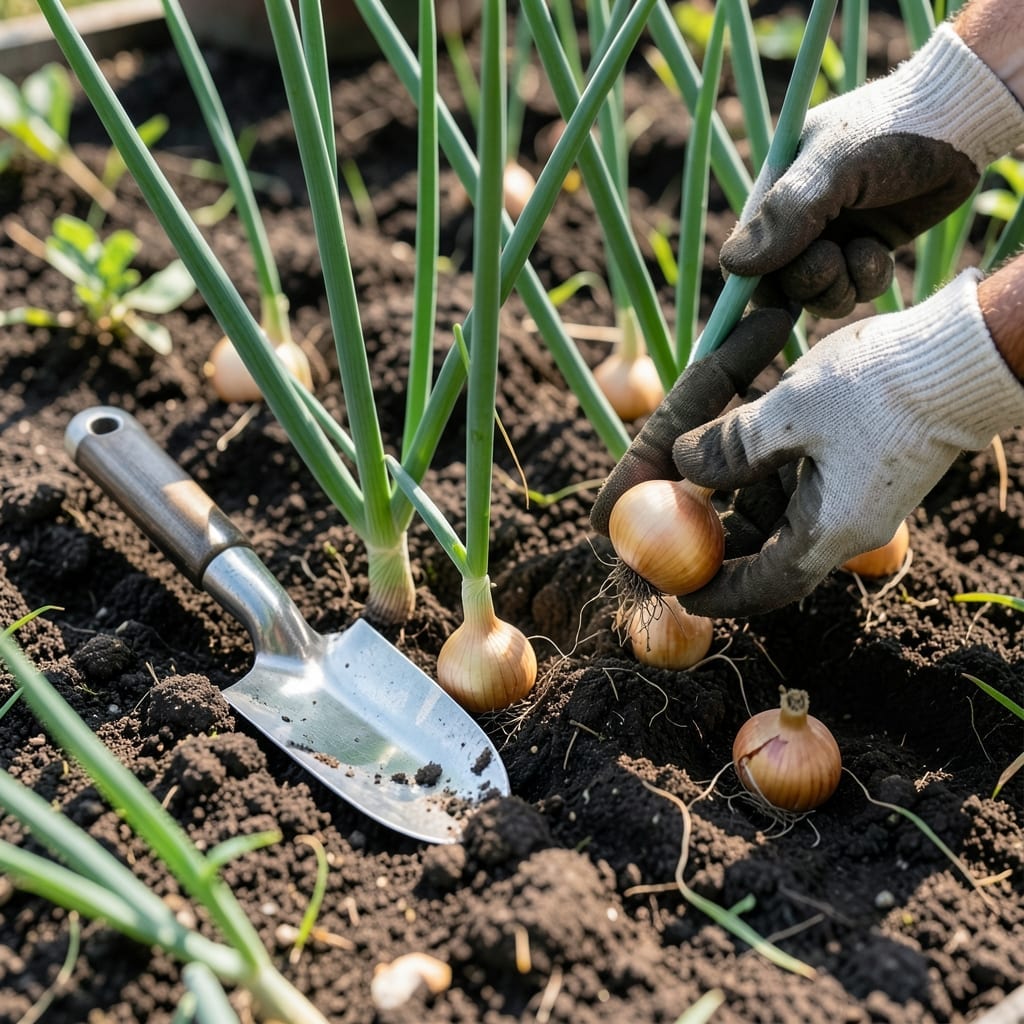
Timing is everything when planting 🧅 Onion sets in Michigan—plant too early, and frost can ruin your crop; too late, and you’ll miss the harvest window.
Michigan’s unpredictable weather makes getting it right the key to a successful harvest. Whether you’re in zone 5b-6a, knowing the optimal window ensures healthy growth.
I’ll share the exact schedule that works for our climate, so you can avoid common mistakes. No more guessing when to get those sets in the ground.
Discover how to align your planting with Michigan’s seasons for the best results year after year. Let’s get started.
Getting your onion sets in the ground at the right time is crucial for a successful Michigan harvest. Michigan spans USDA zones 4-6, each with slightly different frost dates and growing windows.
In zone 4 (Upper Peninsula), wait until late April to early May when soil temps hit 50°F. Zone 5 gardeners can start mid-April, while zone 6 can plant as early as late March.
| Zone | Spring Planting | Fall Planting | Soil Temp |
|---|---|---|---|
| Zone 4 | Late April – Early May | August 1-15 | 50°F+ |
| Zone 5 | Mid-April – Early May | August 15-30 | 50°F+ |
| Zone 6 | Late March – Early April | September 1-10 | 50°F+ |
For spring planting, aim to set onions 2-4 weeks before your area’s last frost date. This gives them time to establish roots before warm weather kicks in.
In zone 4, the last frost is typically May 15-30, so late April planting works well. Zone 5 gardeners often see their last frost April 15-May 10, making mid-April ideal.
Fall planting offers a second chance for onion lovers. Plant sets 8-10 weeks before your first expected frost. In zone 6, this means early September, while zone 4 gardeners should aim for early August.
These fall-planted onions will overwinter and produce an early summer harvest the following year. Just be sure to mulch heavily with straw to protect them from freezing temperatures.
Remember, soil temperature is more important than calendar dates. Use a soil thermometer to confirm your ground has warmed to at least 50°F before planting.
For the best results, I recommend planting in well-draining soil with full sun exposure. Onions prefer loose, fertile ground, so work in some compost before setting your bulbs.
In my experience, April planting in most of Michigan gives onions enough time to mature before summer heat arrives. But always check your local frost dates for precision.
Whether you choose spring or fall planting, consistent moisture is key during the first few weeks. Water deeply after planting and keep the soil evenly moist as your onions establish. ☀️
Deciding between spring and fall planting for onion sets in Michigan depends on your hardiness zone and goals. I’ve found both seasons can work, but each has distinct advantages and challenges to consider.
In spring, you’ll plant 2-4 weeks before the last frost, typically April in most zones. This timing aligns with warmer soil and longer daylight, promoting strong growth for a summer harvest.
Fall planting works well in zone 6, where mild winters allow sets to establish before dormancy. Plant 4-6 weeks before the first frost, usually September, for a head start next spring.
I prefer spring planting in zone 5 because late frosts can damage fall-planted sets. However, if you’re in zone 6, fall planting can yield bigger bulbs with less effort.
For best results, ensure soil is well-draining and loose. Mulch heavily in fall to protect against temperature swings. In spring, water consistently but avoid soggy conditions.
Ultimately, experiment to see what works best for your microclimate. I’ve had success with both methods, but spring planting is the safer bet for most Michigan gardeners. 🌱