
Beautiful Plants For Your Interior
Beautiful Plants For Your Interior
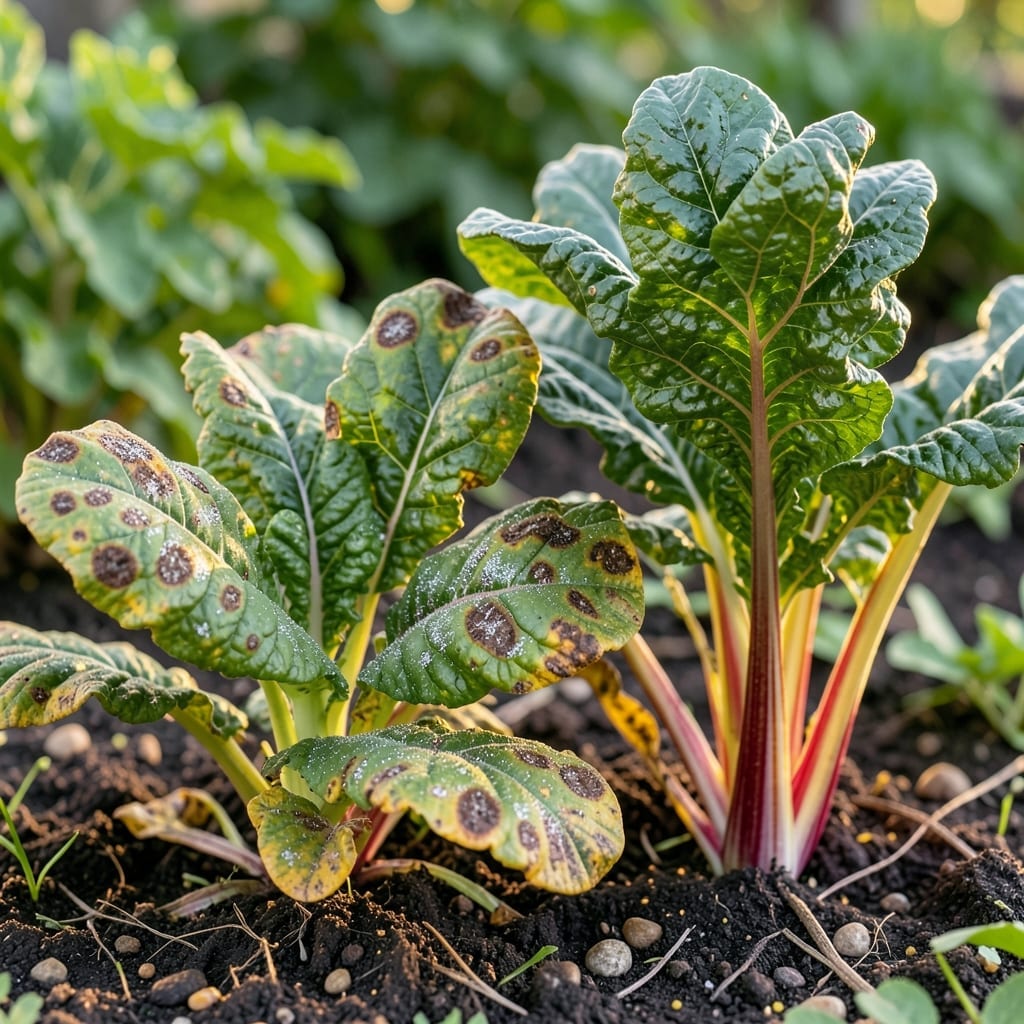
Spotted leaves on your chard are trying to tell you something. I learned the hard way that those brown patches aren’t just ugly—they’re spreading fast if ignored.
Most problems start with too much moisture or poor air circulation. My first chard crop was nearly wiped out by leaf spot before I realized I was watering at the wrong time of day.
Catching issues early means the difference between a full harvest and a compost pile. Organic treatments work best when paired with prevention—proper spacing, good drainage, and morning watering.
Healthy plants resist disease better. Rotate crops, clean up debris, and inspect leaves weekly. It’s simpler than it sounds.
Swiss chard diseases often stem from a mix of environmental, biological, and cultural factors. Understanding these causes helps you take targeted action to protect your crop. Below are the primary culprits behind common issues:
Extreme weather conditions—such as prolonged moisture, high humidity, or drought—create ideal conditions for fungal and bacterial diseases. For example, Cercospora leaf spot thrives in wet, warm environments, while powdery mildew spreads rapidly in crowded plantings with poor air circulation. Inconsistent watering can also stress plants, making them more susceptible to infections like root rot.
Many Swiss chard diseases are caused by soil-borne or airborne pathogens. Fungi like Phytophthora and bacteria such as Xanthomonas can linger in contaminated soil or garden tools. Overhead watering splashes spores onto leaves, accelerating the spread of diseases like downy mildew. Infected plant debris left in the garden also harbors pathogens, reinfecting new crops.
Insects such as aphids, leafminers, and flea beetles don’t just damage Swiss chard—they also transmit viral diseases like beet curly top virus. These pests create entry points for pathogens when they feed, weakening the plant’s natural defenses. A lack of beneficial insects (e.g., ladybugs) can exacerbate pest populations, indirectly increasing disease risk.
Overcrowding plants, skipping crop rotation, or using contaminated seeds can invite trouble. Swiss chard planted in the same spot year after year depletes soil nutrients and allows pathogens to build up. Improper spacing reduces airflow, promoting fungal growth, while untreated compost may introduce harmful microbes. Even over-fertilization (especially with nitrogen) can lead to lush but weak growth, making plants more vulnerable.
Dealing with swiss chard diseases doesn’t have to be a headache. Below are practical, organic solutions to the most common problems, along with prevention tips to keep your plants thriving. 🌱
If you notice brown or black spots on the leaves, it’s likely a fungal or bacterial leaf spot. Remove infected leaves immediately to prevent the spread. For severe cases, use a copper-based fungicide or a baking soda spray (1 tsp baking soda + 1 quart water + a few drops of dish soap). To prevent recurrence, rotate crops and avoid overhead watering. 💡 Space plants properly to improve air circulation.
Pests like aphids and flea beetles can weaken plants and spread disease. Spray them off with a strong jet of water or use neem oil or insecticidal soap for organic control. Introduce beneficial insects like ladybugs or lacewings to keep populations in check. Prevent infestations by using row covers early in the season and keeping the garden free of debris. ✨
Powdery mildew appears as a white, powdery coating on leaves. Remove affected leaves and treat with a sulfur-based fungicide or a milk spray (1 part milk to 9 parts water). Prevent it by ensuring good airflow—space plants widely and prune overcrowded leaves. Water in the early morning so foliage dries quickly. 🌡️
Overwatering or poor drainage leads to root rot. If your plants are wilting with yellowing leaves, check the roots—if they’re mushy and dark, root rot is likely. Improve drainage by amending soil with compost or sand. Avoid overwatering and use raised beds if your soil is heavy. For prevention, water deeply but infrequently. 🎯
Brown spots often signal fungal or bacterial leaf spot. Remove affected leaves immediately and avoid overhead watering to stop the spread.
Space plants widely for airflow and water in the early morning. A milk spray (1:9 milk-to-water ratio) can treat early signs.
Yes! Aphids and flea beetles transmit viruses. Use row covers early or spray with neem oil to protect plants.
This often indicates root rot from overwatering. Improve drainage with compost or sand and water less frequently.