
Beautiful Plants For Your Interior
Beautiful Plants For Your Interior
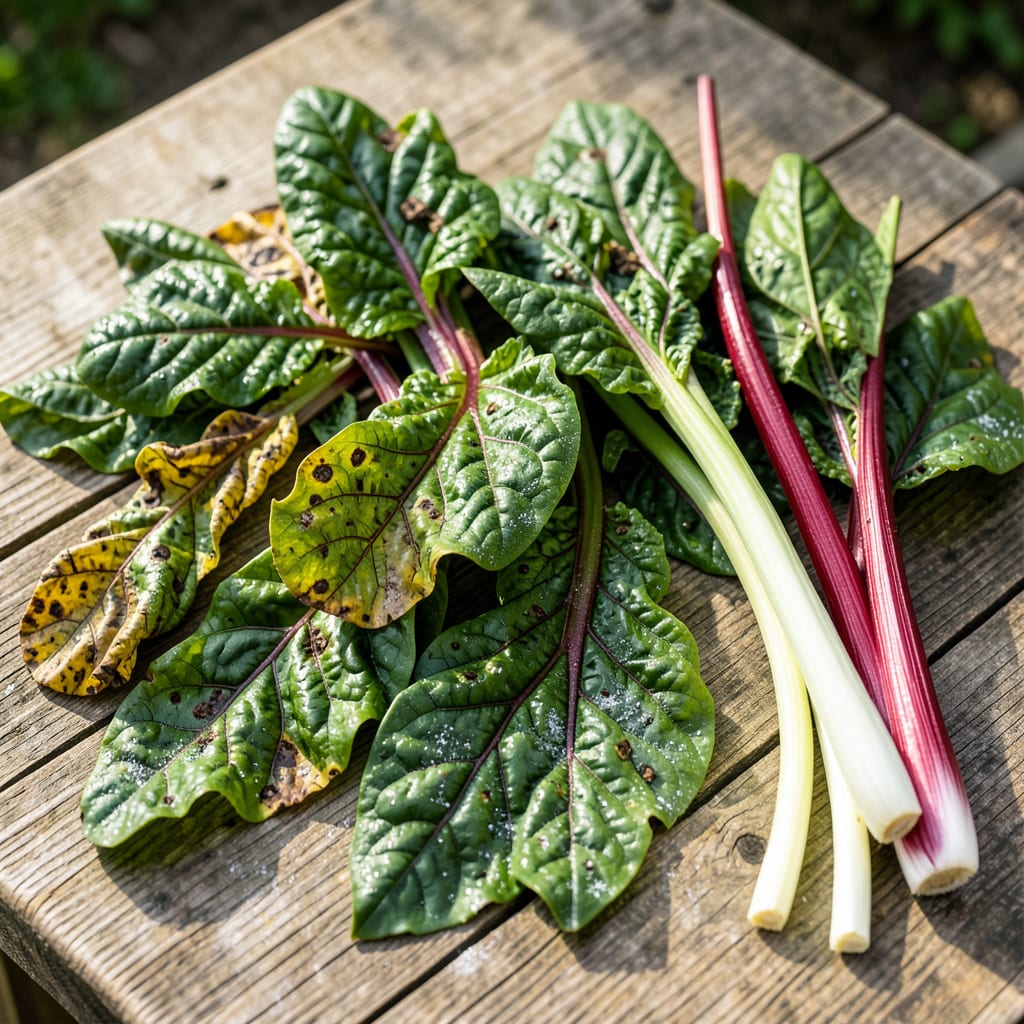
Spotted leaves on your Swiss chard aren’t just ugly—they’re a warning sign. I learned the hard way that ignoring those first brown patches leads to full-blown outbreaks that can wipe out a planting.
The usual suspects are fungal diseases that thrive in wet, crowded conditions. Most gardeners overlook the simple fixes: better airflow, drip irrigation instead of overhead watering, and removing infected leaves immediately.
With consistent prevention, your plants stay vibrant and productive all season. The key is acting at the first sign of trouble, not after half your crop is affected.
Works for both organic and conventional gardens. Here’s how to keep your chard thriving.
Swiss chard is hardy, but it can fall victim to diseases when conditions aren’t ideal. Understanding the root causes helps you prevent problems before they start. Below are the primary triggers behind common Swiss chard ailments.
Many Swiss chard diseases, like downy mildew and leaf spot, are caused by fungi such as Peronospora farinosa and Cercospora beticola. These pathogens flourish in high humidity, poor air circulation, and overhead watering. When leaves stay wet for extended periods, spores germinate, infecting the plant. Warm, wet weather (60–75°F) accelerates fungal growth, leading to yellowing, spotting, or wilting foliage.
Bacteria like Pseudomonas syringae (bacterial leaf spot) enter Swiss chard through wounds, splashing water, or infected tools. Overcrowded plants or contaminated soil increase transmission risks. Symptoms often include water-soaked lesions or blackened veins. Bacteria thrive in moist, moderate temperatures (70–80°F) and can survive on plant debris, reinfecting future crops.
Insects such as aphids, leafminers, and flea beetles weaken Swiss chard by feeding on leaves, creating openings for secondary infections. Sap-sucking pests also spread viruses (e.g., Beet Western Yellows Virus), which cause stunting and yellowing. Poor pest management exacerbates disease susceptibility.
Extreme heat, drought, or nutrient deficiencies (e.g., calcium or potassium) stress Swiss chard, making it more vulnerable to disease. Over-fertilization (especially high nitrogen) can promote lush, tender growth that’s easily infected. Inconsistent watering also stresses roots, reducing the plant’s ability to resist pathogens.
Tackling swiss chard diseases starts with quick action and smart prevention. Below are targeted fixes for common issues, paired with tips to keep your plants thriving. 🌱✨
If you notice brown or black spots on leaves, act fast. Remove infected foliage immediately and avoid overhead watering to reduce humidity. Apply a copper-based fungicide for severe cases. Prevention tip: Rotate crops yearly and space plants for airflow. 💡
White, powdery patches mean mildew. Spray affected leaves with neem oil or a baking soda solution (1 tsp baking soda + 1 quart water + a drop of dish soap). Prevention tip: Thin seedlings early and water at the base. ✨
Yellow patches with fuzzy gray growth underneath? Improve drainage and avoid wet foliage. Treat with potassium bicarbonate spray. Prevention tip: Use drip irrigation and plant in well-draining soil. 🌧️
Wilting or stunted growth may signal pests like aphids. Blast them off with water or introduce ladybugs and lacewings. Prevention tip: Companion plant with marigolds or garlic to deter pests. 🐞
Dark, mushy roots? Stop watering immediately and let soil dry. Remove affected plants to prevent spread. Prevention tip: Use raised beds and ensure containers have drainage holes. 💧
Pro tip: Always sterilize tools and remove plant debris to prevent disease carryover. Healthy soil and resistant varieties (like ‘Bright Lights’) can also minimize issues. 🎯
Early symptoms often include yellowing leaves or small brown spots. Look for unusual discoloration, wilting, or fuzzy growth on the undersides of foliage.
Severely diseased plants should be removed to prevent spread. If only a few leaves are affected, prune them immediately and treat the rest with organic sprays.
Improve airflow by spacing plants 12-18 inches apart. Use drip irrigation and avoid overhead watering to keep leaves dry.
Yes! Varieties like ‘Bright Lights’ and ‘Rhubarb Chard’ show better resistance to common diseases. Always start with healthy, disease-free seeds.
